





















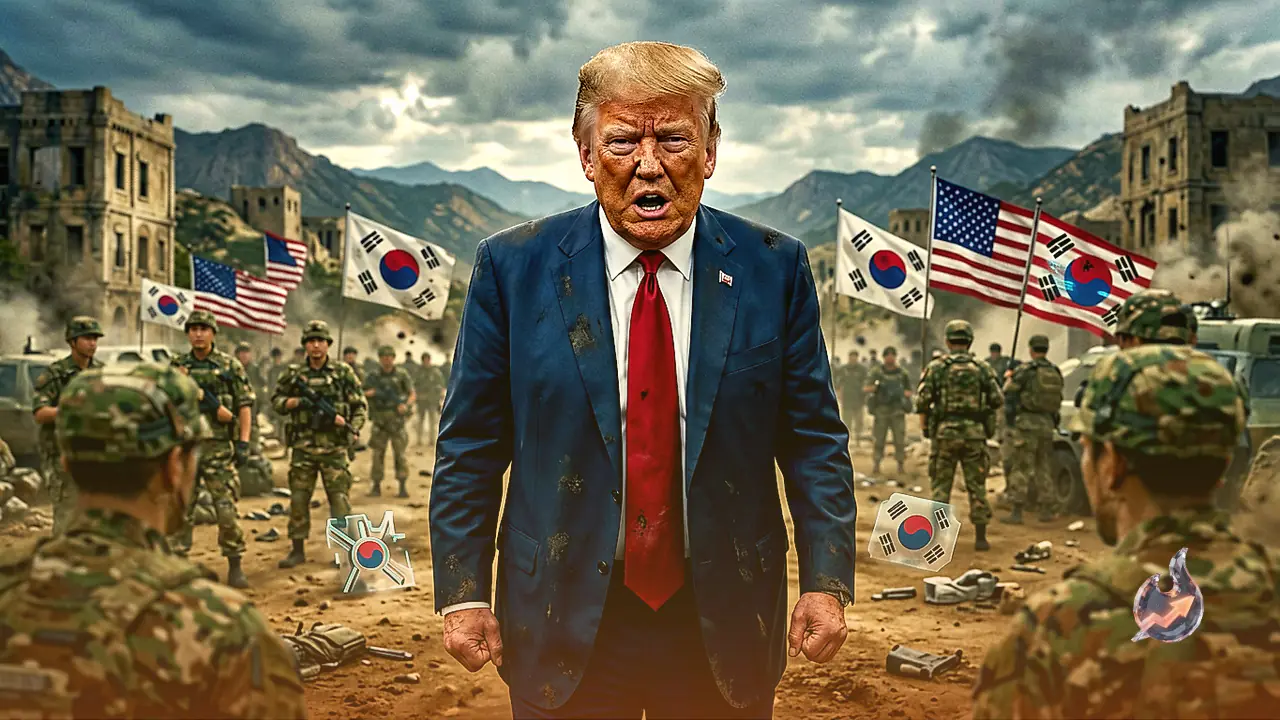

The long-standing military alliance between the United States and South Korea has hit a dramatic and contentious roadblock. President Donald Trump addressed reporters in the Oval Office, openly expressing deep frustration over South Korea’s refusal to assist in US military operations targeting Iran. This direct rejection has triggered a major diplomatic crisis between the two nations, highlighting widening cracks in a decades-old defense partnership.
A Direct Phone Call and a Flat Rejection
The friction boiled over when Donald Trump placed a phone call to South Korean President Lee Jae myung. During the conversation, Trump directly asked if Seoul would lend a hand in the Iran situation, adding that they could help if they wanted to, though the US did not strictly need it. The response on the other end was a firm no thanks. Unaccustomed to being turned down, Trump took great offense to the reply. He pointedly reminded the South Korean leader that 39,000 American troops are stationed in the region to protect them from Kim Jong Un, yet when Washington faces a straightforward conflict, their ally refuses to pitch in. Trump questioned the logic of spending billions of dollars to secure a nation that backs away when assistance is requested.
NATO Frustrations and Orders to the Defense Secretary
Drawing parallels to his ongoing grievances with NATO, Donald Trump questioned the broader validity of the US footing the security bills for wealthy allies who hesitate to share the burden of military campaigns. True to form, the disagreement did not remain merely verbal. Trump took immediate action by instructing Defense Minister Pete Hegseth to scale back joint military exercises with South Korea as much as possible.
Social Media Statements and North Korea Dynamics
Taking to Truth Social, Donald Trump posted that he was thoroughly dissatisfied with the ongoing joint drills. In the same breath, he highlighted his relatively good rapport with North Korea, noting that the leadership there has shown a respectful attitude toward his administration. He argued that running expensive and hostile military drills under these circumstances made little sense. While canceling the exercises entirely was not feasible, they were significantly curtailed, dealing a harsh blow to Seoul.
South Korean Damage Control and Policy Shifts
Faced with mounting pressure, South Korea scrambled to offer explanations. Officials stated that Seoul was actively consulting with Washington regarding practical and military contributions toward achieving a ceasefire in Iran and restoring freedom of navigation in the Strait of Hormuz. South Korea is clearly eager to avoid a complete fallout with Trump, refusing to break ties entirely, yet unwilling to provide the direct military backing Trump demanded. This ongoing conflict challenges the foundational American policy of unilaterally bearing the security burdens of its allies without reciprocal support.