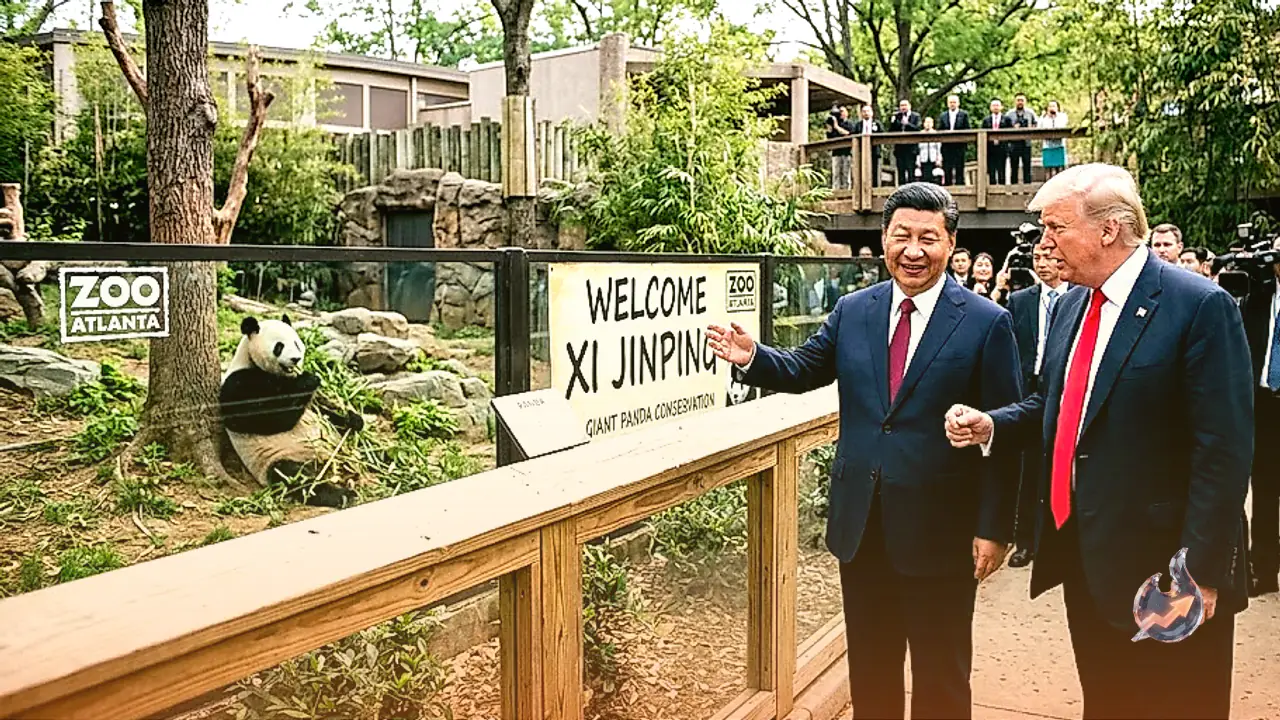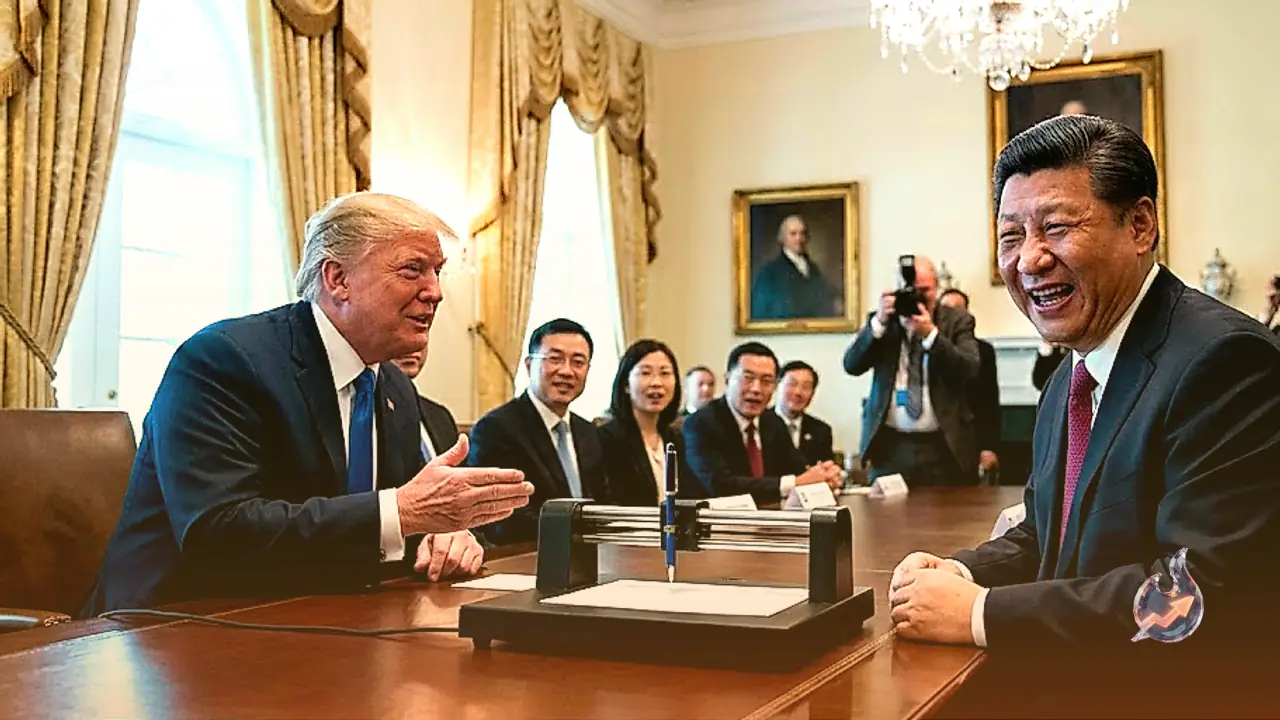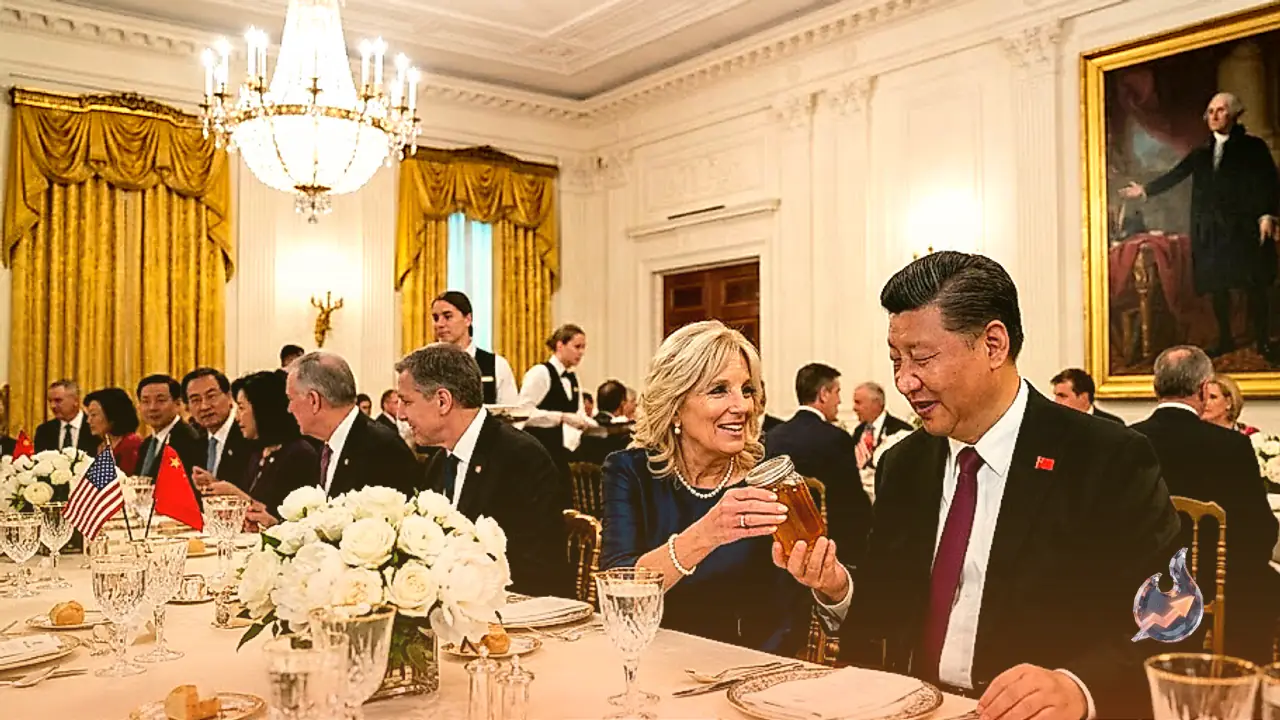























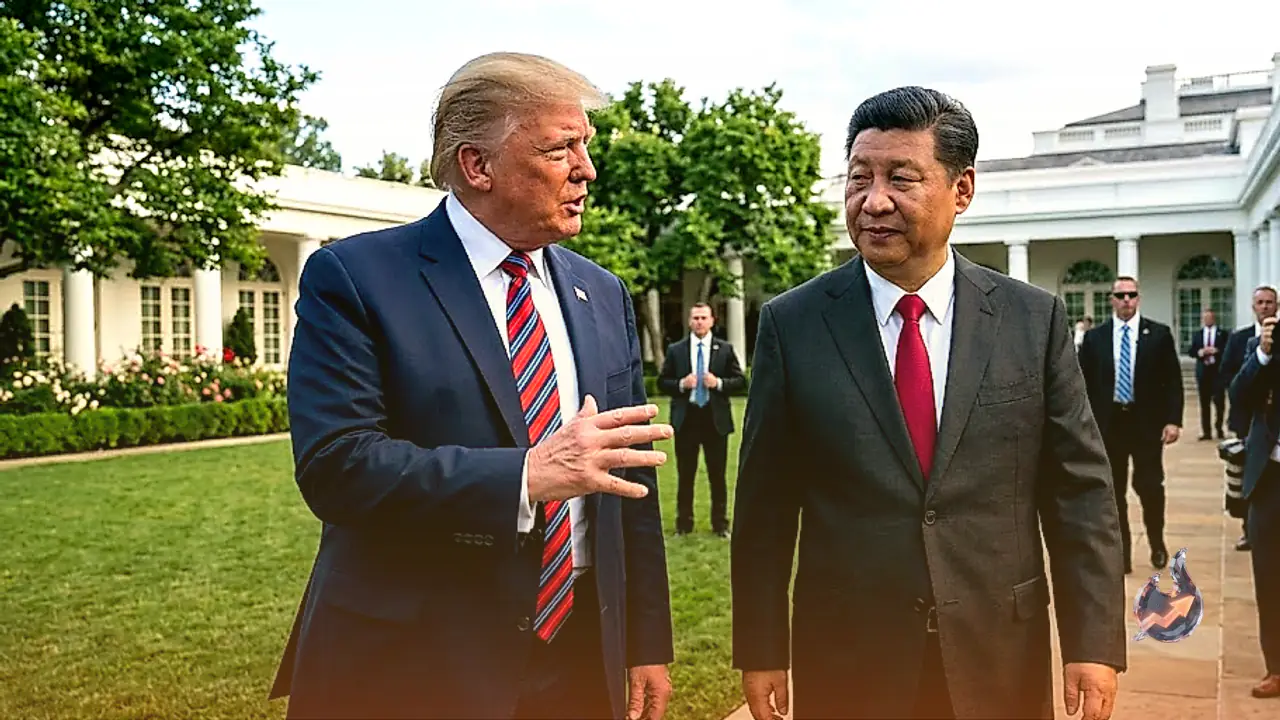

High-level diplomacy between the two largest economies on the planet resumed as President Trump received Chinese leader Xi Jinping at the White House. Following their opening round of discussions, Trump characterized the session as a great meeting. The bilateral engagement allowed both heads of state to explore ongoing economic and commercial arrangements, even as they navigated around contentious geopolitical disputes such as the status of Taiwan and the ongoing military confrontation in Iran. Divergent perspectives also emerged regarding future governance frameworks for artificial intelligence.
Details regarding the initial day of conversations remained largely confidential, with Trump simply telling journalists, "We had a great meeting." Xi Jinping utilized the platform to caution against falling into the Thucydides Trap, an established theoretical concept in international relations describing the historic tendency toward armed conflict whenever an emerging global power challenges an entrenched, dominant state. The warning carried particular weight given the backdrop of broader international turmoil and fragile economic stability.
The Thucydides Trap and Structured Economic Competition
Addressing the broader strategic landscape, Chinese leader Xi Jinping outlined his vision for bilateral engagement, remarking, "It should be a race of catching up with one another, not a wrestle in which one either wins or loses." Xi pointed out that the economies of the United States and China remain fundamentally intertwined. Because of this structural interdependence, he advocated for healthy competition maintained within recognized institutional bounds. Under this reasoning, cooperation yields mutual gains for both societies, whereas outright confrontation inflicts heavy economic and strategic penalties across the board. To minimize miscalculation, Xi recommended instituting regular high-level military dialogues alongside robust crisis prevention channels.
In complementary remarks, Trump noted that bilateral cooperation offers tangible advantages. He observed that working toward shared interests enables both powers to achieve substantial milestones, drawing a parallel to their historical cooperation against Japan during World War II when mutual objectives aligned both nations. Despite these diplomatic overtures, the question of whether Washington and Beijing can permanently sidestep the Thucydides Trap remains unresolved.
A 60-Day Extension on the Bilateral Trade Accord
Trade relations between the two nations have experienced heightened volatility since Trump assumed power at the White House in 2024. His administration initiated widespread import tariffs that heavily affected China, prompting Beijing to retaliate with proportionate levies. This reciprocal imposition of steep tariffs created prolonged friction throughout international supply chains. However, despite their competing economic philosophies, both administrations moved to ease immediate tariff pressures by negotiating a short-term trade extension.
United States Treasury Secretary Scott Bessent announced that both governments formally agreed to prolong their existing trade framework by two months. The underlying bilateral trade arrangement, negotiated last year, had been scheduled to lapse in November. Bessent explained that the 60-day extension provides policymakers in Washington and Beijing with additional time to explore constructive economic options.
While the two-month extension averts an immediate escalation, it defers challenging structural issues to forthcoming bargaining sessions. Key matters awaiting resolution include core tariff rates, Chinese purchase commitments, export quotas on rare-earth elements, and cross-border technology export limits. According to Bessent, China has maintained compliance regarding its agreed target to purchase 25 million tons of American soybeans under the prior pact. Conversely, Chinese officials showed reluctance toward formalizing a $17 billion commitment for supplementary agricultural commodities. Furthermore, Chinese shipments of critical rare-earth materials have lagged behind planned targets, illustrating that underlying commercial friction persists despite the current pause in tariff hikes.
The Middle East Conflict and Commercial Shipping
Beyond bilateral commercial negotiations, the ongoing war in the Middle East featured prominently during the summit. Trump called on China to back American efforts aimed at economically isolating Iran and ensuring the reopening of the Strait of Hormuz. Because China functions as Iran's top and longstanding commercial partner, the request generated visible diplomatic hesitation, with Xi avoiding active participation in discussions surrounding Tehran.
The hostilities originated in late February when the United States and Israel initiated Operation Fury against Iran. While Israeli military units subsequently scaled back operations inside Iranian territory, American forces have maintained sustained strikes against the Islamic Republic throughout the six-month campaign. The protracted conflict has disrupted oil and natural gas shipments moving through the Persian Gulf, intensifying global energy shortages and stoking price inflation. In response, central banking authorities around the world have had to implement tighter monetary restrictions to counter escalating inflation risks, complicating the outlook for international economic recovery.
Cross-Strait Friction and Defense Commitments
While the Chinese delegation maintained reticence regarding Iran, Xi expected prudent handling from Trump on the status of Taiwan, expressing hope that Washington would formally oppose Taiwanese independence. The White House did not publish an immediate official readout of that exchange. American diplomatic officials have traditionally refrained from declaring explicit opposition to Taiwanese independence, as altering that established language could cast doubt on Washington's commitment to the island's defense while generating pushback within the United States Congress.
Tensions between Beijing and Taipei date back to the aftermath of World War II. Territorial authority over Taiwan remains one of the most sensitive subjects for Beijing, which maintains that the island has belonged to China since ancient times. Taiwan briefly served as a province under the Qing dynasty between 1885 and 1895 before coming under Japanese rule following armed conflict. Post-World War II arrangements saw Japan relinquish control of Taiwan to China. Today, the administration in Taipei maintains its democratic self-rule and rejects Beijing's claims of sovereignty. Adding to these underlying tensions, Trump's administration cleared an $11 billion arms and military equipment package for Taiwan earlier this month.
Competing Visions for Artificial Intelligence Governance
Technological advancement presented another clear point of divergence between the two leaders, specifically regarding the development and oversight of artificial intelligence. Trump argued that high-end AI capabilities should be classified as superintelligence, or SI. Xi, on the other hand, underscored the imperative for the two leading nations to establish collective regulatory safeguards around the technology.
Xi articulated Beijing's philosophy on technology management directly, stating, "We have both the capability and responsibility to develop and manage AI for good and ensure that the development of AI is always under human control and serves the well-being of the people." The contrast reflects distinct priorities: while the American administration emphasized maximum technological capability and naming, the Chinese leadership prioritized establishing formal mechanisms to oversee AI development within clear ethical and human boundaries.