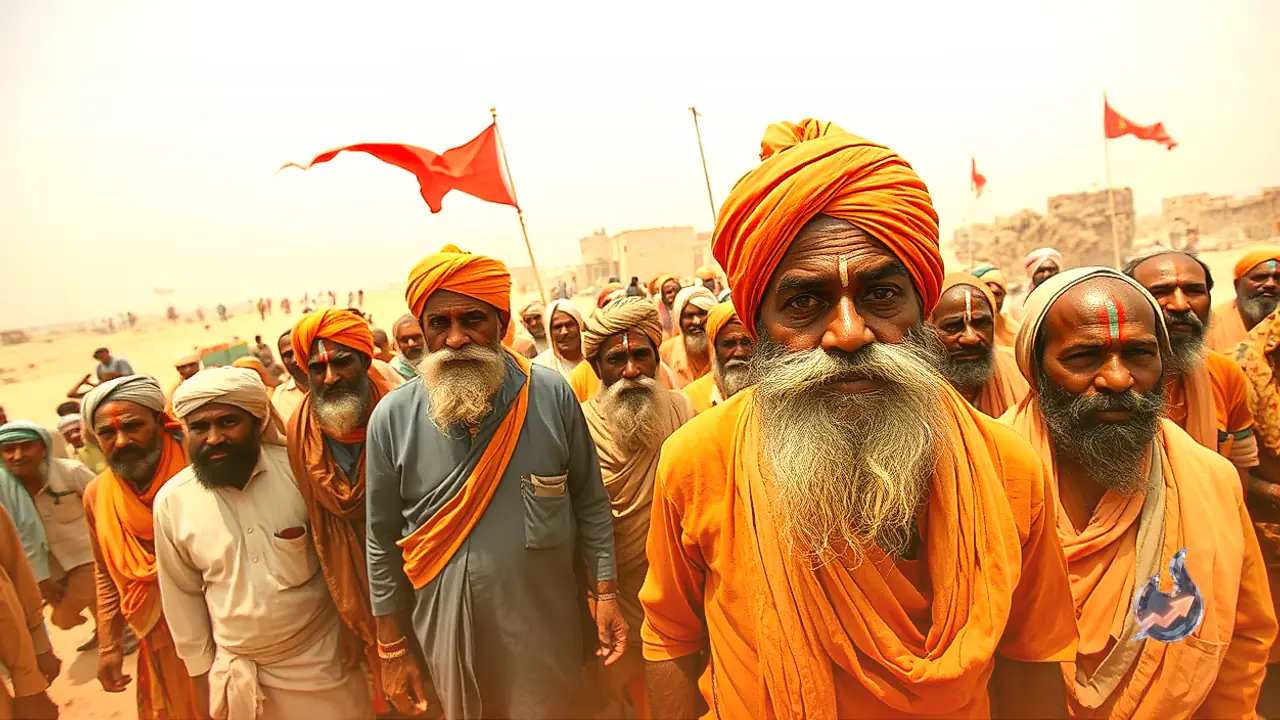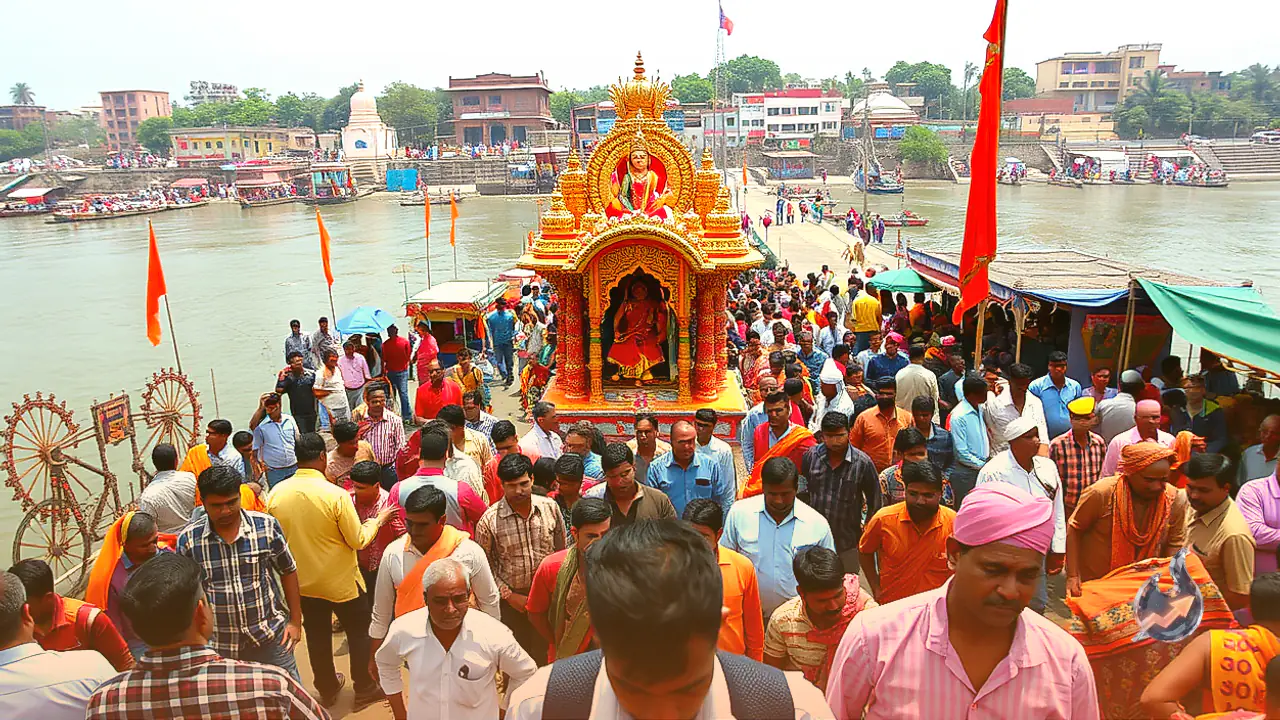
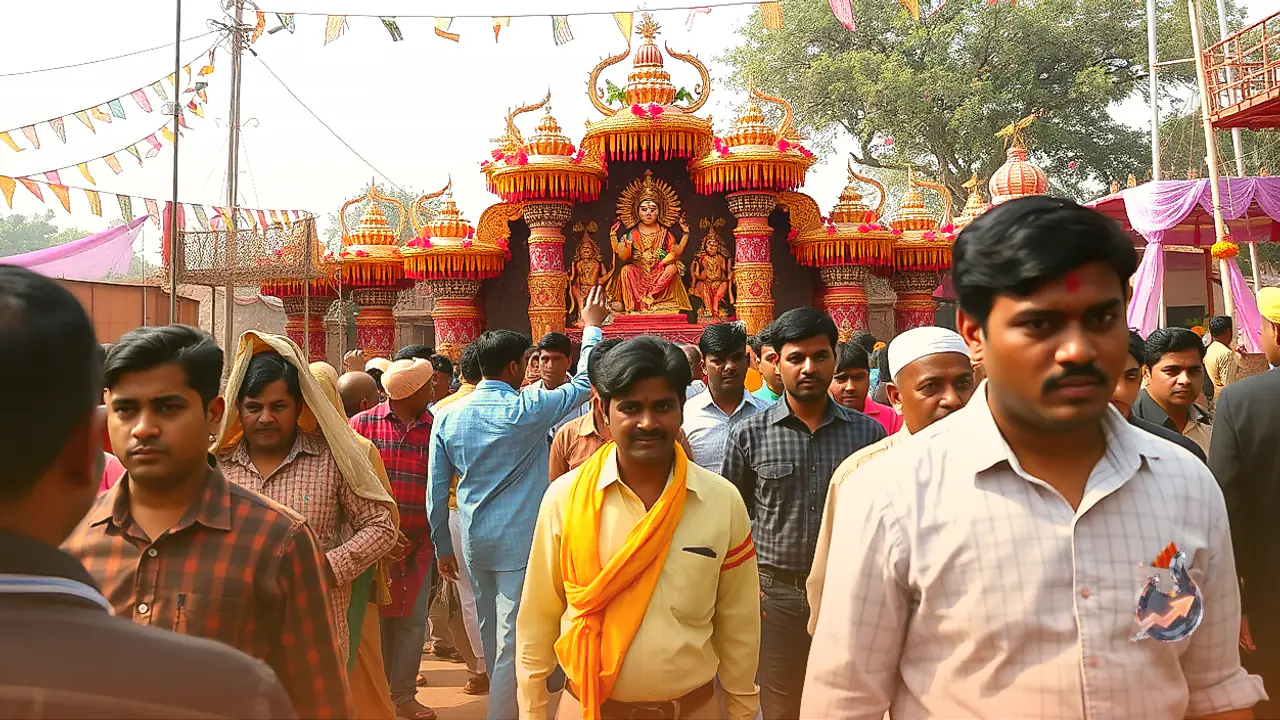
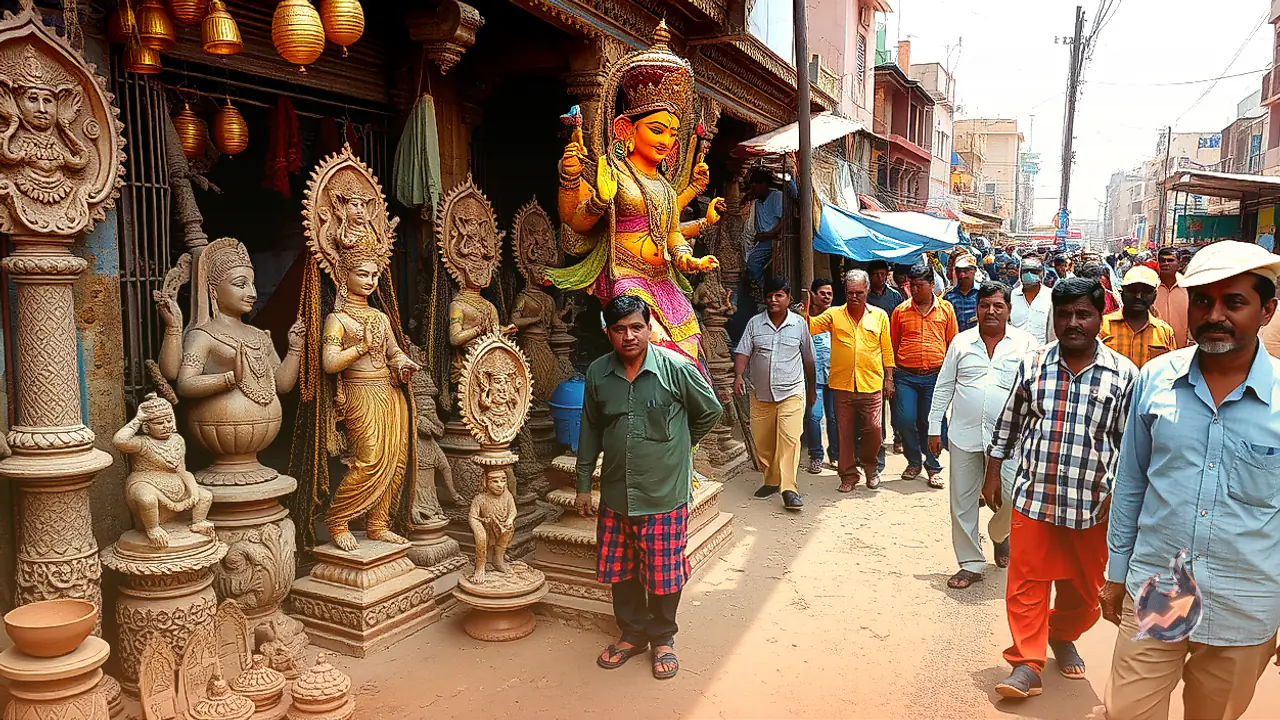
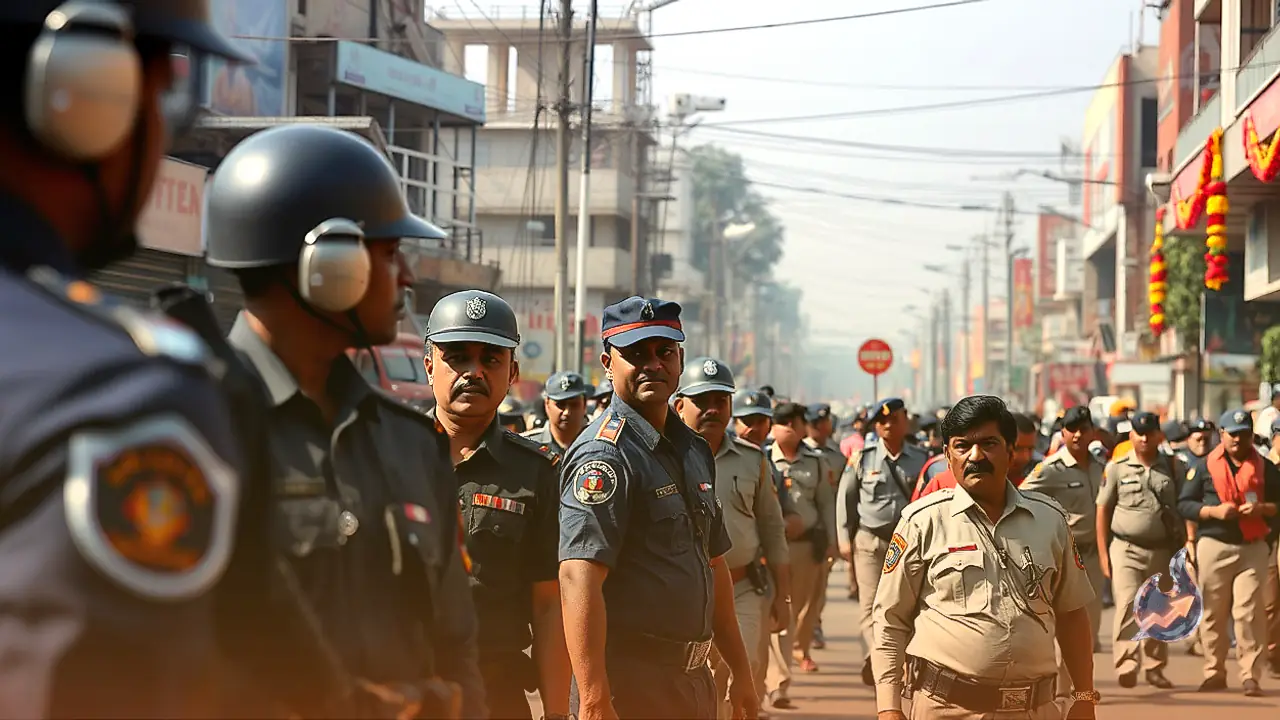
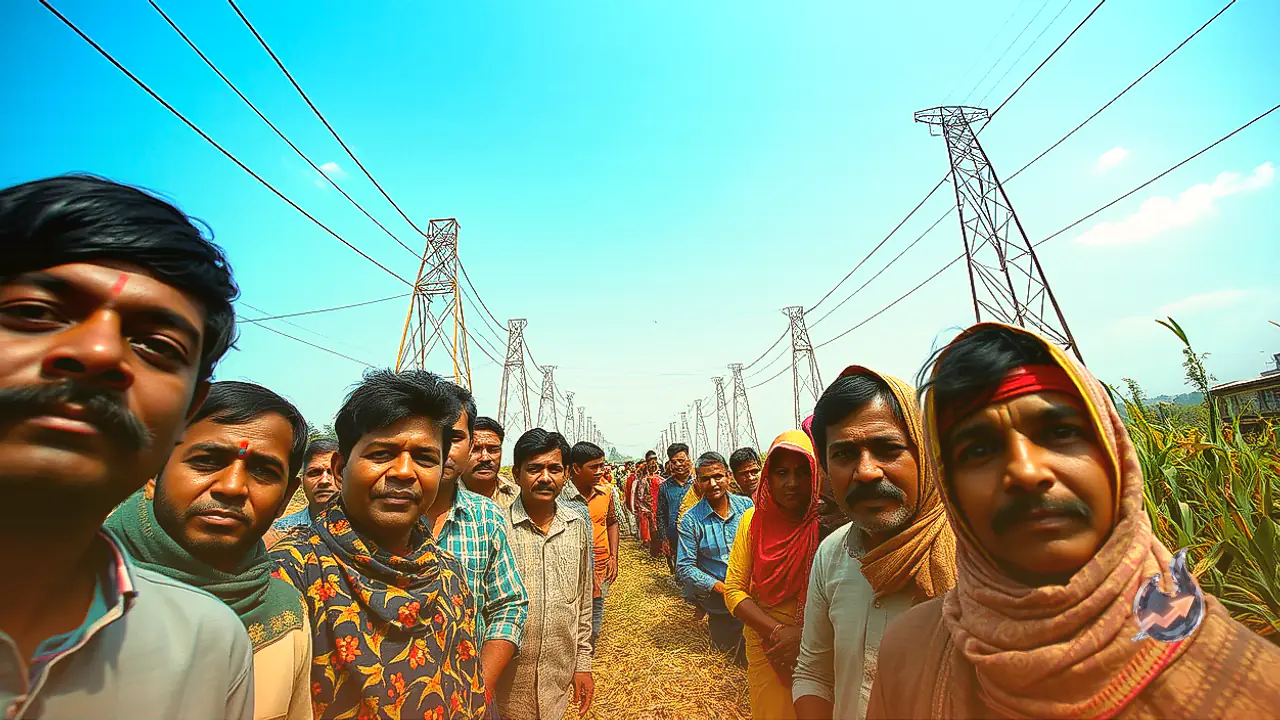














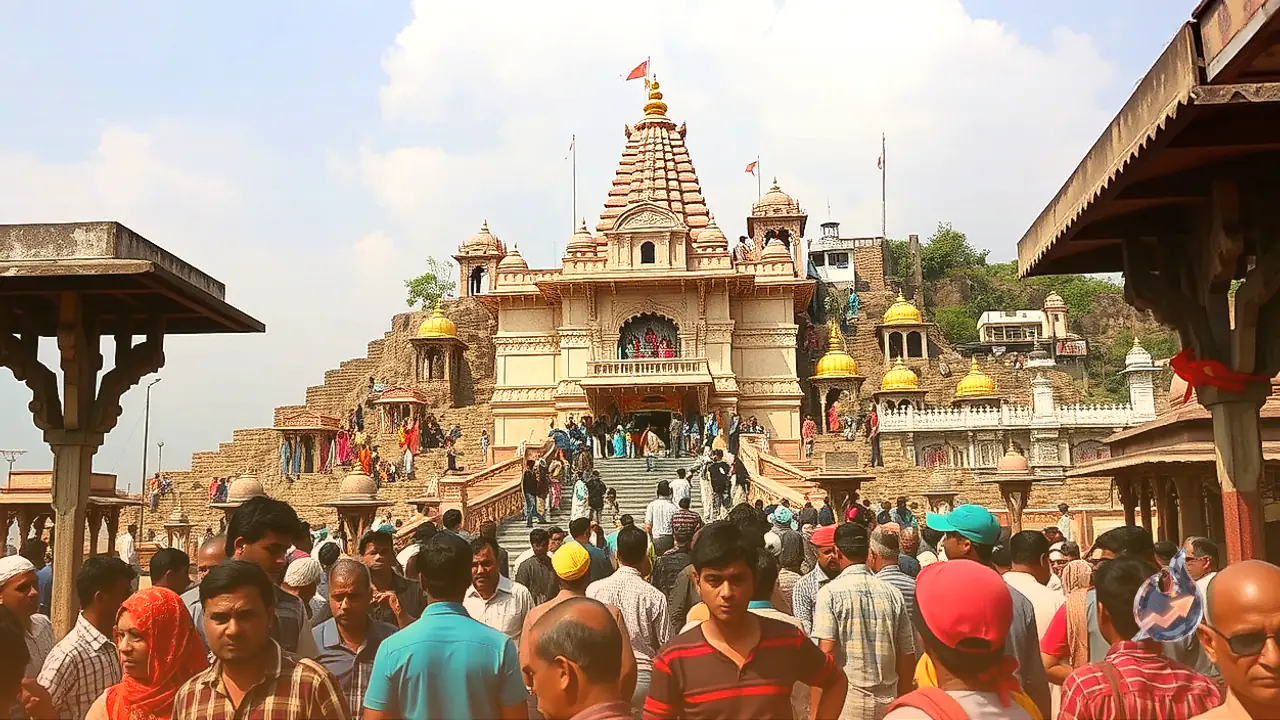

Nestled among the Aravalli range in Rajasthan, the sacred shrine of Kaila Devi in Karauli district stands as one of Northern India's foremost centers of pilgrimage and community heritage. Situated on Trikoot Hill, roughly 23 kilometers from the district headquarters of Karauli, this holy destination draws worshipers throughout the year. The spiritual energy reaches its zenith during the festive periods of Chaitra and Sharad Navratri. The Chaitra Lakhi fair in particular transforms the entire valley into a grand gathering reminiscent of a mini Kumbh. Pilgrims travel from across Rajasthan as well as neighboring regions including Uttar Pradesh, Madhya Pradesh, Delhi, Haryana, and Gujarat to seek the goddess's blessings amid resounding chants, sacred rituals, and widespread devotion.
A Heritage Spanning Over Nine Centuries
Historical records place the origins of the Kaila Devi shrine back more than nine hundred years. In the year 1114 AD, the sage Mahatma Kedar Giri consecrated the idol of Goddess Kaila Devi on this hilltop. Just two years later, in 1116 AD, the Khinchi ruler of the era, Mukund Das, raised a modest stone structure to house the deity. As the fame of the sanctuary expanded over subsequent generations, Maharaja Gopal Singh undertook extensive renovations and expanded the temple complex in 1753 AD. Inside the sanctum sanctorum, the idol of Goddess Kaila Devi sits alongside that of Goddess Chamunda. The presence of both divine figures draws seekers from vast distances who come to witness their joint darshan.
Navratri Rituals and the Sacred Attire of the Goddess
The nine days of Navratri involve rigorous ceremonial practices and unique decorative customs that have been observed without interruption for centuries. On the opening day of Chaitra Navratri, during the ceremonial Ghatasthapana, the goddess is adorned in special ritual vestments and ancestral jewelry. According to long-standing temple custom, these original garments and embellishments remain untouched throughout the first eight days of the festival. Only after the culmination of the Ashtami rituals are the ceremonial robes changed and the deity dressed in fresh festive attire. During this entire span, devotees maintain round-the-clock lines extending through the hill trails to offer special prayers and fulfill personal vows.
Family Milestones, Child Tonsures, and Marital Blessings
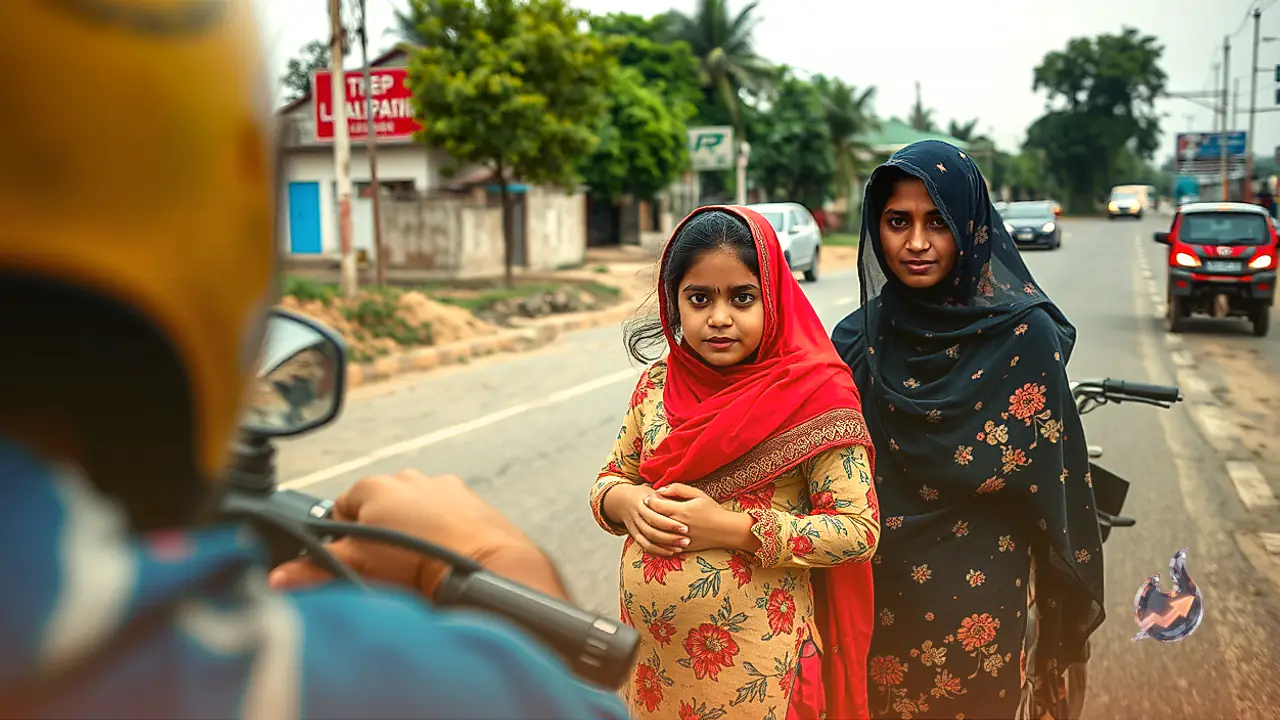
The bond between pilgrims and the Kaila Devi shrine goes far beyond seasonal visits, anchoring the life-cycle ceremonies of millions of households. Families observe the custom of presenting themselves at the shrine following pivotal domestic milestones, particularly after the birth of a child or the wedding of a son. Newlywed couples make the journey to offer their respects, locally termed dhok, seeking blessings for a peaceful and prosperous married life. The temple is also one of the region's primary destinations for carrying out the first tonsure ceremony of young children. These enduring rites pass from one generation to the next, maintaining a living bridge between ancestral memory and current faith.
The Languriya Folk Tradition and Bohra Bhagat
A distinctive hallmark of the Kaila Devi fair is the spirited musical tradition centered on Languriya songs. Throughout the festive period, the temple courtyards and the surrounding township echo with the rhythm of traditional percussion and devotional anthems. Groups of men and women dance joyfully to these folk tunes as an expression of heartfelt reverence. In local theological lore, Bhairav is honored as the loyal devotee Languriya, making the worship of Languriya an essential step immediately following the main darshan. Furthermore, the temple courtyard houses the memorial chhatri of Bohra Bhagat. A pervasive belief among pilgrims dictates that any journey to Kaila Devi remains incomplete unless one pays homage at the shrine of Bohra Bhagat as well.
Extensive Rest Houses and Pilgrim Infrastructure
To accommodate the massive congregation arriving for the annual Chaitra Lakhi fair, a substantial residential infrastructure has been built across the settlement of Kaila Devi. The township boasts more than 600 dharamsalas, or community rest houses. Most of these lodging facilities were funded and constructed by philanthropic patrons and dedicated devotee societies over several decades to ensure free or affordable shelter for traveling pilgrims. During the peak days of the fair, these halls provide essential lodging for families coming from remote corners of the nation. The harmonious blend of age-old architectural lineage, folk culture, and massive public participation continues to solidify Kaila Devi's standing as a paramount pilgrimage center in Rajasthan.