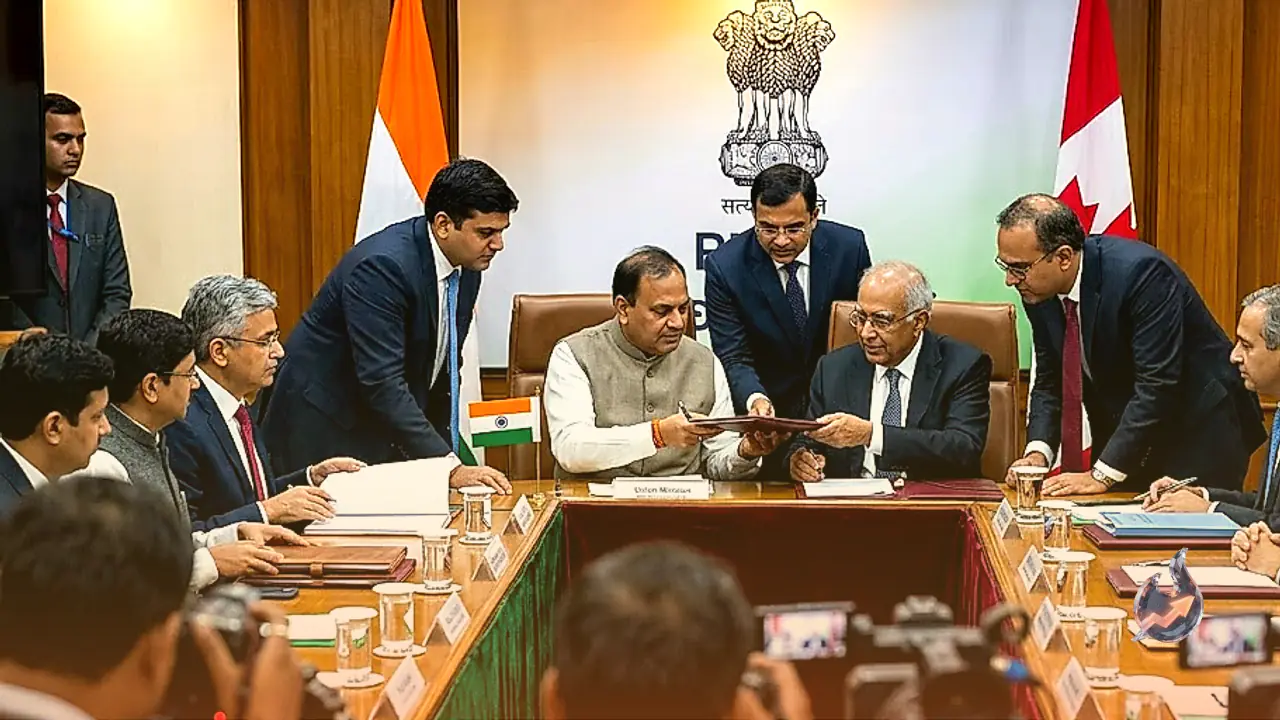






















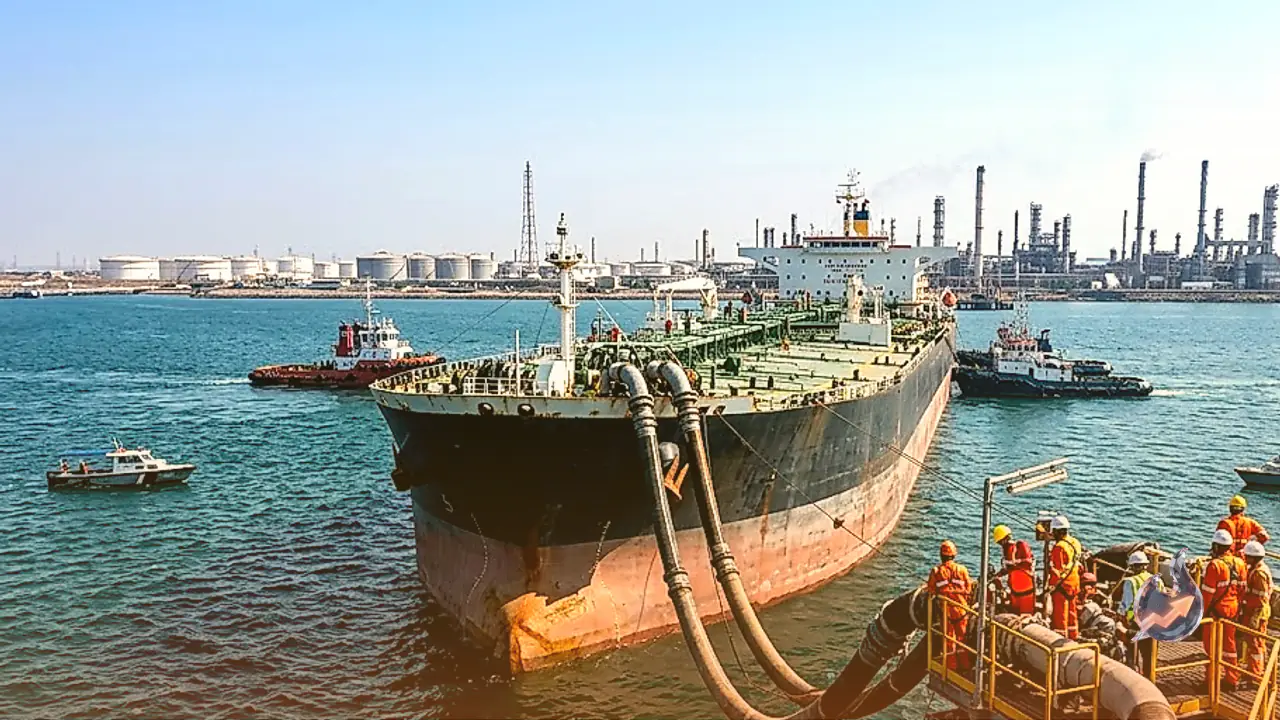

Refiners across India sustained robust purchases of Russian crude oil through September, positioning the country as the single largest global buyer of Moscow's supplies despite trade friction and tariff threats from the United States. While import volumes remained globally unmatched, the intake marked a noticeable deceleration from the peaks reached during the middle of the year. Vessel tracking evaluations indicate that this moderation stemmed largely from tighter Russian availability and rising buying pressure from Chinese refiners rather than diplomatic friction alone.
September Import Volumes: India Stays Ahead of China
During September, Indian intake of Russian crude averaged approximately 1.82 million barrels per day, comfortably outpacing China, which brought in roughly 14.9 million barrels daily over the identical timeframe. The September figures represent a stabilization following steep pullbacks from earlier summer highs. In June, India received an unprecedented 2.6 million barrels daily from Russia, followed by 2.57 million barrels per day in July. Relative to that July peak, September arrivals registered a contraction of nearly 29 percent. Shipments in August had previously eased to 2.02 million barrels per day.
Supply Constraints and Competition from Chinese Refiners
Market analysts monitoring energy flows emphasize that the import slowdown should not be interpreted simply as Indian compliance with Western tariff pressure. Supply shortages within Russia and surging purchases from Chinese domestic refiners created direct commercial headwinds. Chinese processing facilities stepped up their procurement of Russian barrels primarily due to reduced availability from Iranian channels. Based on ongoing vessel tracking schedules, India's intake of Russian crude in October is projected to hover between 1.8 million and 1.9 million barrels daily, aligning closely with September levels.
Alternative Inflows from Venezuelan Crude Producers
To balance its regional supply slate, India has also integrated shipments from Venezuela into its broader basket throughout the current year. While crude flows from the South American exporter had been severely subdued over preceding years, intake rebounded markedly starting in April. Nevertheless, the United States remains the primary destination for Venezuelan barrels.
Venezuela dispatched approximately 2.5 lakh barrels per day of crude to Indian terminals in August, expanding that volume to roughly 2.57 lakh barrels daily in September. By comparison, American imports of Venezuelan crude stood considerably higher during the same months, averaging approximately 4.52 lakh barrels daily in August before climbing to 5.63 lakh barrels per day in September.
Reliance Industries and Heavy Crude Processing at Jamnagar
The primary domestic destination for Venezuelan supplies remains the Jamnagar refinery operated by Reliance Industries. Given the facility's immense scale and sophisticated secondary processing capabilities, it is projected to sustain its position as the anchor buyer of these shipments. Venezuelan grades belong to the heavy and extra-heavy categories, presenting refining hurdles that typical Indian refineries cannot accommodate. Because processing these grades demands advanced coking and hydrocracking technology, specialized complexes like Jamnagar remain essential to handling such imports.