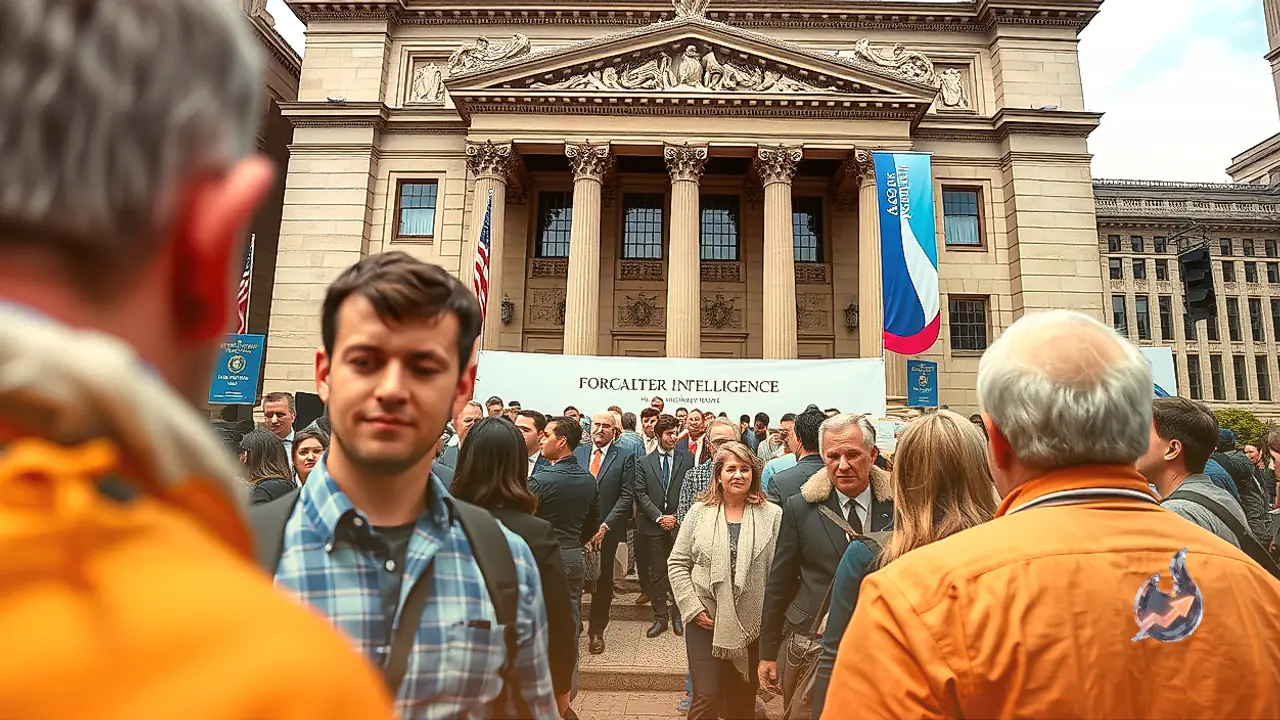

























Shoshana Berger and Nina Willdorf share a refreshingly practical perspective on artificial intelligence. Willdorf points out that this is the most formative technology of our generation and it is already here, adding that choosing to sit it out means doing oneself a disservice. That central thesis resonates deeply with people, as their events have been heavily oversubscribed since the very first day. The second dinner party they hosted received coverage from The New York Times, prompting hundreds of women to reach out and ask about attending future gatherings.
Building a Substack and Growing a Community
In addition to live dinners, the duo runs a Substack where they share useful tools and tips. The publication quickly amassed over 1,000 subscribers, including a writer for The New Yorker and the mayor of a small town. Women located outside of the Bay Area have even begun hosting their own Aged Intelligence meetups. Both founders practice what they preach, especially while balancing the demands of children entering college, aging parents who require care, and a business that is growing increasingly in demand.
Navigating the Heavy Labor of Midlife
Berger notes that midlife cognitive and emotional labor is exceptionally heavy and intense, meaning people need an assistant. She humorously adds that while they actually need the National Guard, artificial intelligence serves as a helpful interim solution. Explaining how the Aged Intelligence Society began, Berger shares that she and Nina were both recovering magazine editors who ended up at a friend's birthday party. They found themselves completely obsessed with Claude, playfully referring to it as their new French lover, while the other women at the party had glazed eyes and were entirely left out of the conversation.
Overcoming Initial Hesitation and Testing Tools
Realizing that all those women needed to be doing what they were doing, Berger suggested to Willdorf that it could turn into a business. Willdorf admits they felt extremely nervous prior to their very first event. Berger recalls needing beta blockers and ashwagandha because they were inviting accomplished and brilliant women while not considering themselves AI experts. However, they relied on their journalistic training to test out tools in a way that many other women were not doing at the time.
Staying Relevant in the Modern Workforce
The founders emphasize that there are numerous reasons for women to bow out of the conversation, but they insisted that staying relevant in the work world requires digital fluency. Willdorf notes they are not blindly enthusiastic advocates for every single aspect of AI, but they remain deeply committed to the idea that staying involved is crucial. When organizing their events, they establish clear rules of engagement, including what they call an ideological parking lot.
Rules of Engagement and Midlife Quandaries
If attendees want to spend time discussing how artificial intelligence is going to ruin everything, they are told that the dinner party is not the right space for it. While both founders acknowledge they also harbor fears about AI and find it menacing for creatives, their purpose at these gatherings is to gain fluency, test tools, and reduce administrative burdens. Willdorf adds that the events also involve eating good cheese and drinking wine. Attendees are instructed to bring a laptop and a specific midlife problem, which the founders refer to as a midlife quandary.
Library Time and Personalized Guidance
The gatherings feature a 15-minute segment known as library time where participants open their laptops and work through their issues. Berger and Willdorf walk around the room acting as guides, suggesting alternative tools or large language models and helping attendees refine their prompts to get better results. Willdorf notes that when participants express reluctance to let AI write for them, the founders reassure them and introduce alternative use cases.
Managing Waitlists and Curating Guest Lists
Since experiencing high demand and a continuous waitlist, the founders carefully curate attendance to keep groups between eight and 12 people to prevent chaos. Willdorf highlights that their most successful events feature a diverse mix of backgrounds, bringing together individuals working in nonprofits, design, childcare, executive leadership, and philanthropy. Recognizing that many people struggle to identify software-shaped problems in their daily lives, the founders focus on demonstrating pragmatic solutions.
Solving Real-World Problems and Managing Caregiving
Berger critiques the term sandwich generation, noting it sounds like a tasteless tomato between two slices of bread, but acknowledges the reality of caring for aging parents and launching children. She shares an example of an attendee whose mother received an Alzheimer's diagnosis and faced a 300-page insurance packet regarding long-term care qualification. By feeding the document to AI, the woman quickly learned her mother qualified and even had the model draft an advocacy letter to the insurance carrier.
Capturing Economic Value and Workplace Recognition
Berger shares her own experience of using Claude to evaluate a consulting proposal, where the model advised her to double her rates, a change the client accepted without hesitation. Emphasizing the economic value piece, Berger notes that women have historically been confined to domestic labor without market valuation, making AI a powerful tool to automate tasks and return hours of time to women. They specifically target women over 40 because decades of life experience have given them discerning tastes, strong bullshit meters, and the ability to ask sharp, probing questions.