


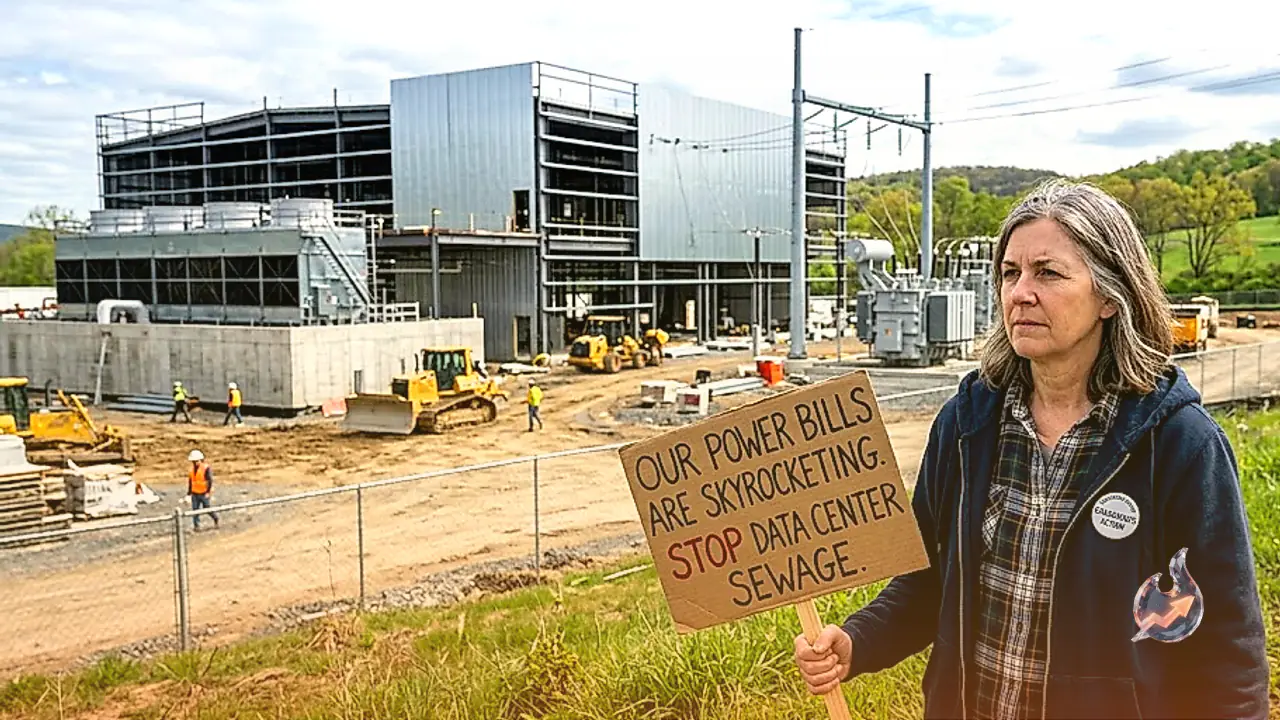




















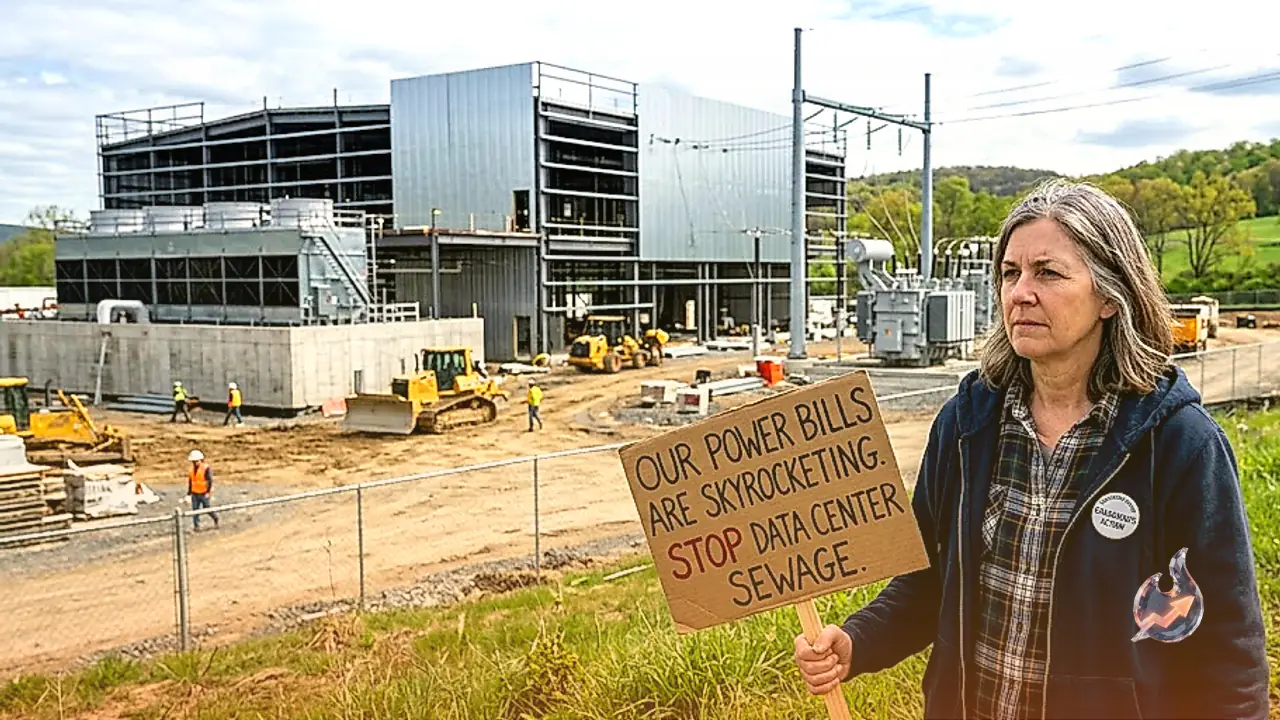

Frontier artificial intelligence laboratories remain convinced that aggressively scaling computational power is the only genuine route to advancing machine intelligence. Backing this philosophy with unprecedented capital, major technology players have mapped out data center infrastructure projects worth trillions of dollars across the globe. Yet tech executives and institutional investors are finding it increasingly difficult to reconcile skyrocketing consumer demand with bitter local resistance against the actual physical facilities powering the technology. Industry assertions that community backlash is manufactured by foreign adversaries such as China fail to explain the reality taking shape on the ground.
Eighteen Months of Field Research in Pennsylvania
A comprehensive report from the nonprofit research organization Data & Society provides an unvarnished examination of what is truly driving public opposition to data facilities. Between 2024 and 2026, researchers conducted an extensive 18-month ethnographic study based on in-depth interviews with 44 Pennsylvania residents. Rather than merely tabulating the environmental and engineering metrics of server farms, the authors set out to capture the lived social experience of communities caught in the path of rapid technological expansion. Researchers observed that sustained field immersion pierces the prevailing speculative hype, exposing the tension people feel between marketing pitches that label artificial intelligence an inevitable revolution and their own everyday anxieties.
Shifting Political Currents and Historic Industrial Scars
When the expansion wave first arrived, regional leaders enthusiastically promoted data centers as engines of regional prosperity. In July 2025, Pennsylvania Governor Josh Shapiro addressed a major summit celebrating $90 billion in pledged private investments for artificial intelligence infrastructure. By the following year, the political calculus had shifted dramatically. Governor Shapiro enacted an executive directive establishing stringent regulatory requirements for data center construction while formally revoking their access to streamlined approval processes.
The study found that the tech sector's rhetoric around technological inevitability clashed sharply with the collective memory of Pennsylvania communities. The state has weathered successive cycles of resource extraction and heavy manufacturing, from coal mining and petroleum extraction to steel mills and hydraulic fracturing. These historical episodes left behind scars that make modern residents deeply skeptical of corporate promises wrapped in utopian language. Maia Woluchem, a program director at Data & Society and co-author of the report, emphasized that local communities possess long histories of industrial disruption, giving them an innate ability to recognize when corporate projects carry hidden burdens.
Organized Labor Support Versus Lobbying Campaigns
Amid the growing skepticism, building trade unions have emerged as the primary domestic champions for data facility development. Union officials openly recognize that automated computing facilities generate very few ongoing jobs once operational phases begin. Nevertheless, the prolonged construction period offers substantial temporary employment, which union leadership regards as an essential vehicle for maintaining membership numbers and securing wages.
To counterbalance grassroots unease, technology lobbies have launched coordinated promotional initiatives. Industry groups such as the Data Center Coalition established promotional portals like Pennsylvania Connects to generate favorable sentiment. Public disclosure records show that the coalition also directed at least $19,000 toward lobbying Pennsylvania lawmakers and administrative officials over the past year to secure favorable legislative treatment.
Cross-Ideological Coalitions and Utility Concerns
Despite heavy promotional spending, pushback against data infrastructure has grown across conventional political boundaries. Researchers observed a diverse coalition of opponents that defies standard bipartisan definitions, bringing together people across the political spectrum around shared immediate priorities. While typical neighborhood preservationists form part of the resistance, the movement encompasses critics of corporate tech consolidation, clean energy advocates concerned over water consumption and grid strain, and residents worried about broader environmental health.
Immediate pocketbook anxieties dominate the debate. Everyday homeowners fear that the staggering electrical draw of mega-scale computing hubs will drive up retail utility rates for surrounding households. Others worry about property devaluation and express frustration with developer tactics, particularly the practice of requiring municipal leaders to enter into non-disclosure agreements before public hearings take place.
Institutional Secrecy and Eroding Public Faith
According to the authors, community friction often intensifies when representatives from corporations like Amazon, Meta, or Microsoft, alongside private developers, appear unexpectedly at mundane municipal hearings. Residents frequently discover that longtime local council members become uncommunicative after executing confidentiality pledges with corporate delegates.
This complex web of economic, environmental, and procedural grievances creates an intractable dilemma for tech developers, as transactional promises cannot easily repair institutional distrust. Researcher Livia Garofalo pointed out that the industry now intrudes on everyday life in deeply personal ways. While individuals may interact intimately with chatbots inside their homes, they remain acutely aware that they are interacting with a commercial commodity, leaving them suspicious that their communities are merely being exploited to power corporate ambitions.