


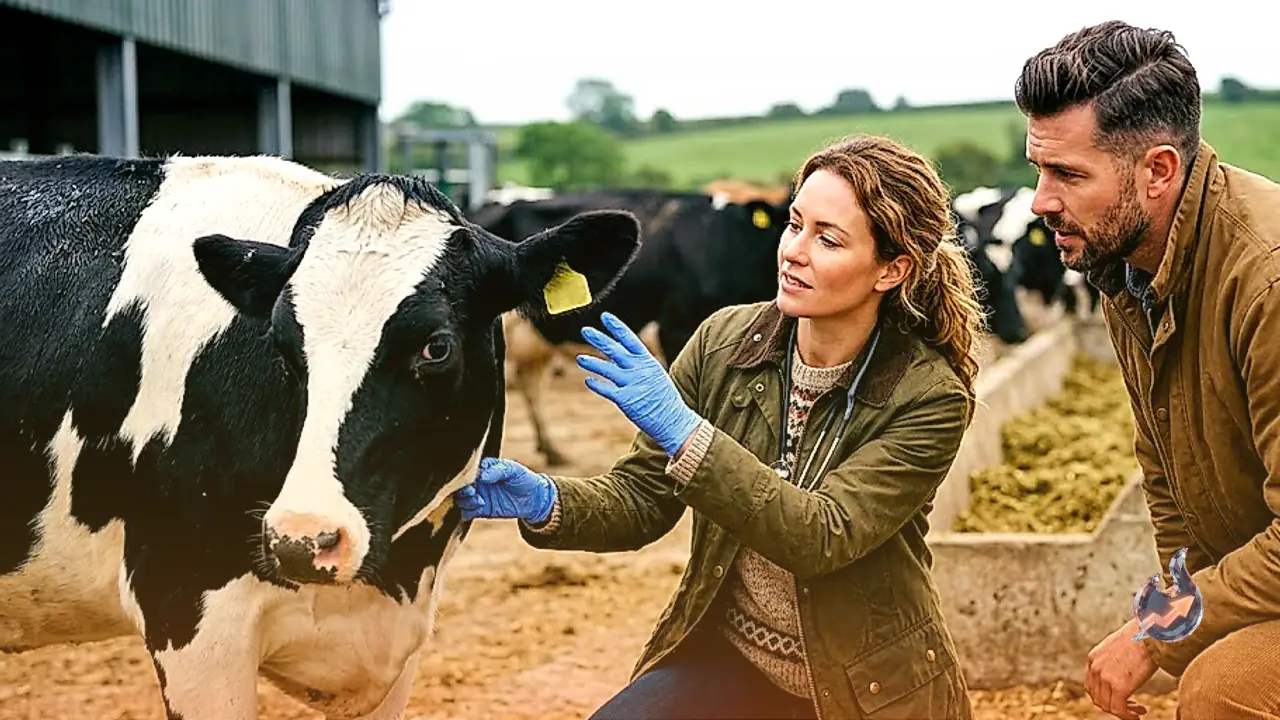


















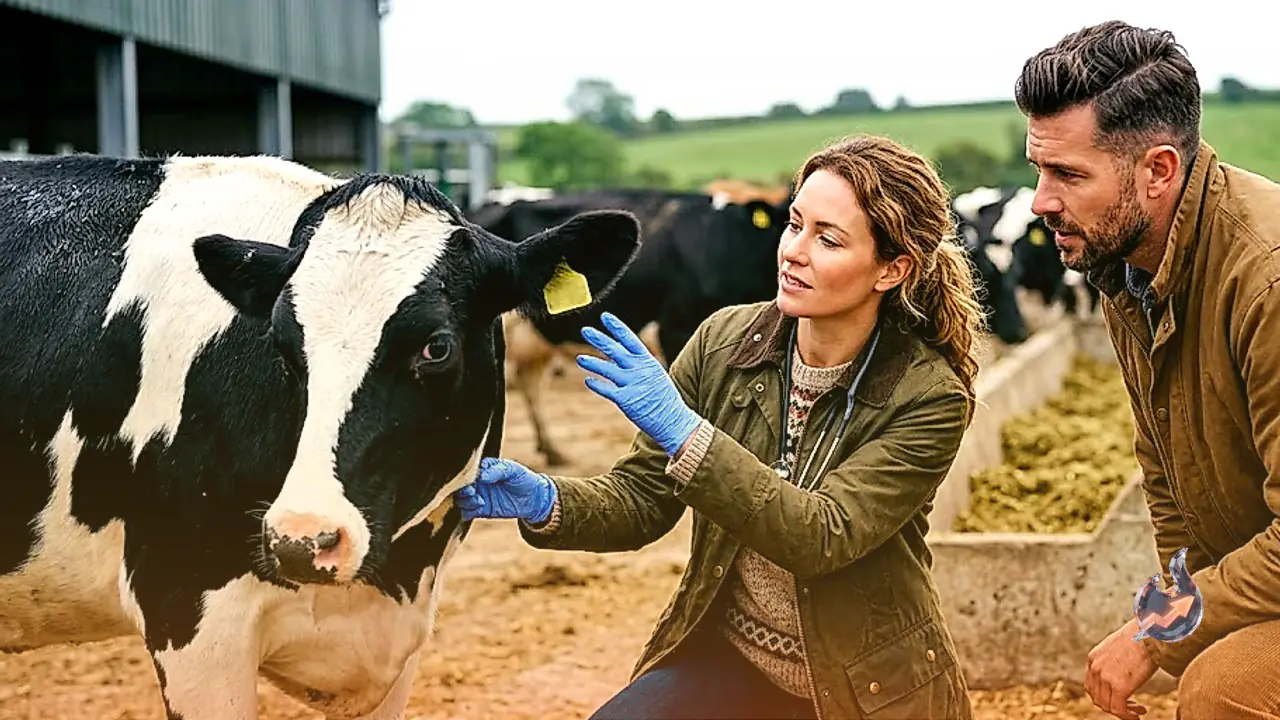

With seasonal transitions taking hold following the monsoon in September, dairy livestock face elevated vulnerabilities regarding their overall health and immunity. Cows and buffaloes experience heightened risks of internal stomach worms, external parasites like ticks and lice, as well as multiple communicable infections during this period. Dr. Salil Kumar Pathak, a veterinary doctor at the Sidhi Veterinary Hospital, notes that these seasonal health complications not only compromise the general well-being and strength of livestock but also lead to a direct and noticeable decline in milk production.
Managing Internal Parasites Through Deworming
Stomach worm infestations represent a frequent yet damaging post-monsoon challenge across dairy herds. When cattle suffer from internal parasites, they may continue to consume feed normally, but their digestive systems cannot properly absorb the essential nutrients contained in the fodder. Deprived of critical nourishment, the animals gradually turn weak and emaciated, which inevitably reduces their regular daily milk yields. Dr. Salil Kumar Pathak emphasizes that administering deworming medication on a scheduled basis is indispensable for preserving herd stamina. However, the exact dosage and appropriate formulation differ significantly between pregnant animals and non-pregnant stock, making professional veterinary consultation mandatory before giving any dewormer.
Countering Tick Infestations, Lice, and Mosquito Swarms
External parasites, specifically ticks and lice that cling tightly to the animal's hide, continuously drain blood and sap vital energy from dairy cattle. Furthermore, standing dampness and damp ground conditions following seasonal rainfall trigger sharp surges in mosquito populations within animal shelters, causing constant agitation and physical stress to the herd. Combating these external threats requires dairy owners to maintain stringent cleanliness inside animal pens. Regularly sanitizing the premises, spraying suitable medicinal solutions across the sheds, and administering targeted treatments directly on the cattle are essential steps to ward off parasitic damage.
Safeguarding Stock Against Hemorrhagic Septicemia and Black Quarter
The post-monsoon period also carries heightened risks of highly contagious bacterial and viral diseases, most notably hemorrhagic septicemia, black quarter, and foot-and-mouth disease. Dairy farmers who failed to complete preventive vaccination drives prior to the monsoon season should avoid any further delays in immunizing their livestock. Timely vaccines build critical protective antibodies and shield the animals from potentially fatal systemic infections that spread rapidly between sheds.
Transitioning Fodder Supplies and Silage Preservation
As September progresses, the availability of traditional Kharif green fodder crops such as sorghum, pearl millet, and maize begins to dwindle significantly. At the same time, winter green fodder varieties such as berseem, oats, and lucerne require considerable time before they mature and become ready for harvesting. This seasonal gap creates a green fodder deficit capable of severely curtailing milk yields across dairy farms. To prevent shortages, farmers with standing crops of sorghum, pearl millet, or maize in their fields should harvest them promptly to prepare and store silage. Additionally, preparations to cultivate winter fodder varieties like berseem, oats, and lucerne should be completed by the conclusion of the current month.