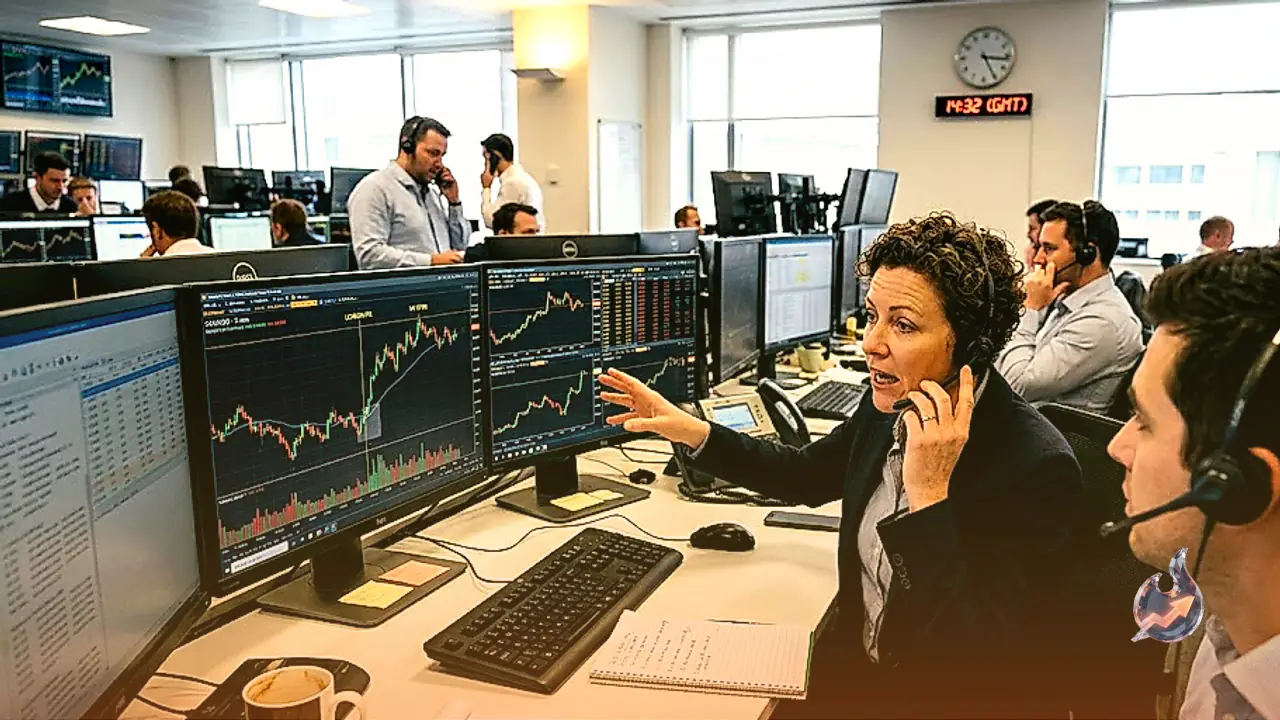








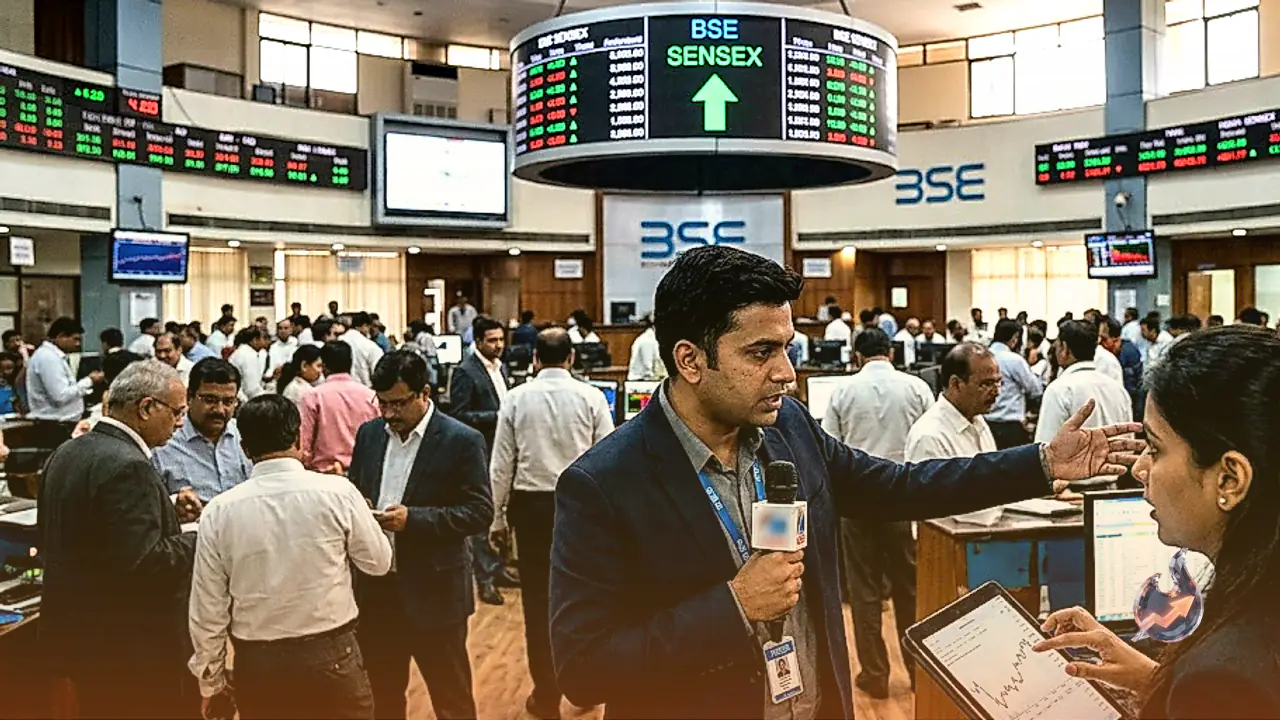















Unlike conventional equity instruments that operate within rigid single-exchange schedules, gold functions on an interconnected worldwide continuum. The yellow metal is actively traded across diverse time zones and financial centers, creating a virtually nonstop 24-hour cycle throughout the five-day working week. This continuous flow is primarily maintained through the decentralized over-the-counter (OTC) market, where institutional participants execute bilateral deals, alongside major derivative platforms such as the Commodity Exchange (COMEX) in the United States.
Because physical bullion and derivative contracts circulate worldwide, gold does not possess a singular opening or closing bell. Instead, global pricing behavior is governed by the rotational handover among three dominant geographic centers: Asia, Europe, and North America. Mastering the interactions among these trading sessions is fundamental for market participants aiming to navigate varying liquidity pools and volatility cycles.
Breakdown of Key Global Trading Sessions
The daily rhythm of bullion trading unfolds in three broad regional segments that span the global clock
- Asian Session: Trading typically initiates in Sydney before gathering momentum through major hubs like Tokyo and Hong Kong. This session broadly runs from 18:00 to 03:00 GMT.
- European Session: Centered in London, this powerhouse window begins operations around 07:00 GMT and remains fully engaged until approximately 16:00 GMT.
- North American Session: Anchored by the COMEX in New York, this trading window opens around 13:30 GMT and extends through 22:00 GMT.
Market participants must account for Daylight Saving Time adjustments, as GMT references can shift by one hour depending on seasonal clock changes within individual local jurisdictions.
Dynamics of the Asian Session and Regional Demand
Price movements during the Asian session are often comparatively subdued compared to western hours, yet the window remains highly sensitive to regional economic reports and geopolitical developments. Historically, consumer appetite across China and physical import requirements across India have served as major foundational drivers for global demand.
As dominant physical consumers, India and China exert profound influence over broader pricing trends. Savvy traders closely track currency fluctuations, such as movements in the Chinese Yuan (CNY), domestic demand variations, and seasonal purchasing spikes, notably during the Indian festive season.
The European Window and London Price Fixings
Activity surges sharply as European desks open. London stands as the historic epicenter for physical bullion clearing as well as heavy derivative turnover. Volatility tends to expand during this timeframe, fueled by European macroeconomic releases and shifting global institutional allocations.
A critical structural element of this window is the London Bullion Market Association (LBMA) gold price fixing, conducted twice daily at 10:30 GMT and 15:00 GMT. These auctions establish international reference benchmarks utilized by producers, central banks, and institutional funds worldwide. Unexpected price deviations during these fixings often trigger sharp market reactions.
The North American Window and US Macroeconomic Catalysts
The North American session commands massive trading volume, particularly during its intense overlap with the latter half of the European session. This corridor witnesses the most substantial price swings of the trading day, driven by active institutional participation and pivotal economic disclosures from the United States.
Bullion valuations react swiftly to top-tier US data. Routine indicators like Nonfarm Payrolls (NFP), Federal Reserve interest rate determinations, and the Consumer Price Index (CPI) frequently spark rapid repricing as participants reassess the opportunity cost of holding non-yielding safe-haven assets.
Leading Global Bullion Exchanges
Distinct international venues bring unique trading structures and operational hours to the overarching gold ecosystem
- London Bullion Market Association (LBMA): As one of the oldest and most influential physical trading centers, the LBMA coordinates substantial physical bullion transactions, with its morning and afternoon fixings providing fundamental global benchmarks.
- American Exchanges (COMEX, CME, NYMEX): Operating under the CME Group umbrella, COMEX is one of the largest futures and options destinations for bullion, effectively dictating primary global price trends. Its morning open frequently sparks elevated volatility in tandem with US economic reporting. CME also offers a 1-Ounce Gold futures contract (1OZ) that trades 24 hours a day, five days a week, excluding scheduled maintenance breaks.
- Shanghai Gold Exchange (SGE): Operating from 01:30 to 07:30 GMT and 11:30 to 15:30 GMT, the SGE is China's premier hub for physical transactions and high-volume liquidity, functioning as a primary pricing conduit in Asia.
- Tokyo and Other Asian Bourses: Typically commencing operations between 23:00 GMT and 01:00 GMT, these exchanges handle lighter aggregate volume than London or New York but frequently set the tone at the weekly market open or during regional headline events.
Actionable Strategies Based on Trading Hours
Aligning execution timing with market liquidity profiles is crucial for optimizing trade outcomes
- Harnessing Peak Liquidity for Beginners: Less experienced traders often benefit by focusing on periods of peak liquidity, particularly the overlap between European and North American trading desks. Tighter bid-ask spreads during this phase facilitate smoother execution and lower slippage.
- Sidestepping Opening and Closing Volatility: The opening and closing minutes of major sessions frequently witness erratic spikes driven by institutional order flow and book-squaring. Allowing prices to stabilize after the bell mitigates exposure to erratic whipsaws.
- Monitoring High-Impact Economic Calendars: Gold reacts directly to macroeconomic indicators tracking inflation, labor strength, and monetary policy. Most of these catalysts, such as US Nonfarm Payrolls or inflation figures, arrive during North American hours, warranting heightened risk control.
- Capitalizing on Session Overlaps: Experienced market participants frequently target the London-New York overlap to capture high-momentum directional breakouts and sustained trend continuations fueled by deep inter-market liquidity.
- Gauging Early Sentiment from Asia: Developments in the Asian session often provide early indicators of broader market sentiment, especially when significant releases like Chinese GDP updates or Bank of Japan (BoJ) rate decisions take place.
- Hedging Strategies During Quiet Windows: When trading activity tapers off following the North American close, sophisticated traders often deploy options or futures hedges to protect open exposure against unforeseen overnight gaps.
The global gold market operates on an intricate, continuous cycle across multiple jurisdictions. From the initial bids in Sydney to the closing bells in New York, each session offers distinct liquidity characteristics and strategic demands. Developing a systematic awareness of these trading hours remains an indispensable foundation for navigating the gold market effectively.