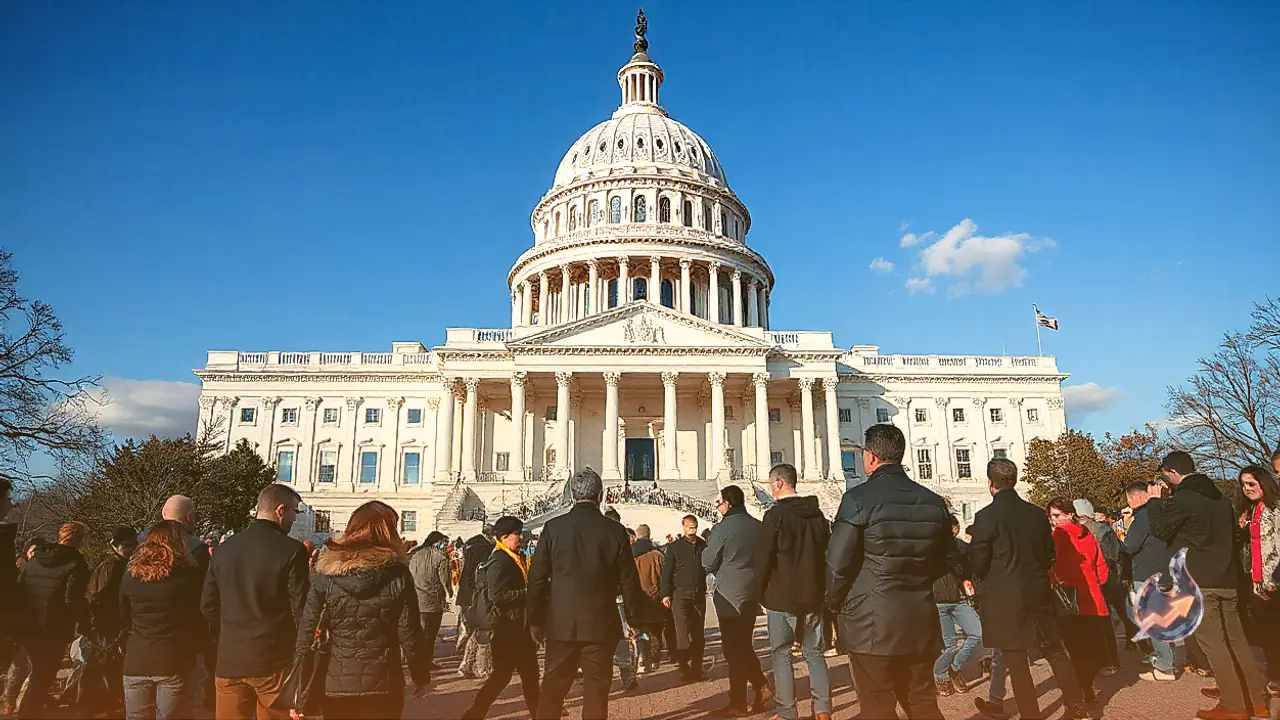



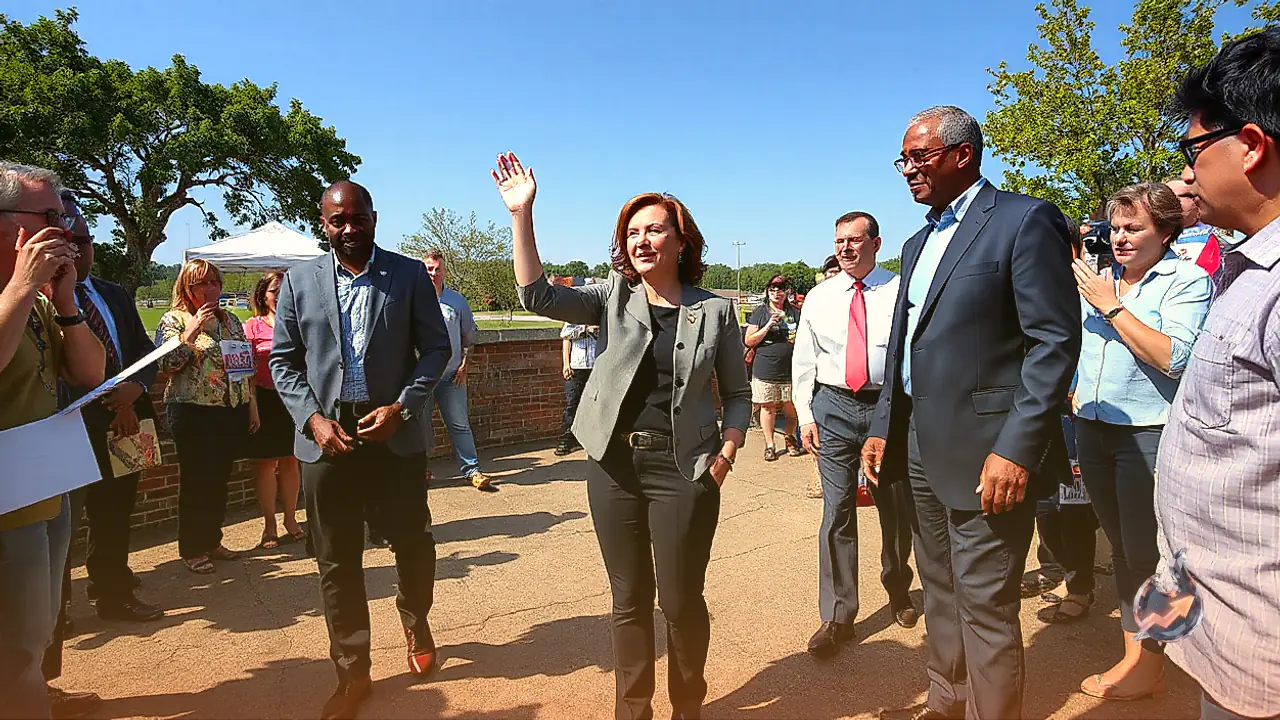





















The United States midterm elections have delivered a substantial upheaval across historic conservative bastions, as Democratic candidates successfully flipped critical Senate seats in both North Carolina and South Carolina. These dual outcomes dismantle decades-long Republican supremacy in the region, dealing a stinging setback to conservative strategists who had counted on both jurisdictions to protect their legislative margins.
A Dramatic Breakthrough in South Carolina
In South Carolina, pediatrician and mother of three Dr. Anne Andrews secured a historic triumph over Republican contender Darlene Graham. The victory brings an end to a long drought for her party in the state, sending a Democrat to the upper legislative chamber from South Carolina for the very first time since 1998.
As election tallies crossed the 88 percent mark during ballot processing, Dr. Andrews maintained a convincing lead of 4.1 percentage points over Graham. Her decisive performance in such a firmly red environment has immediately established this race as one of the most stunning upsets of the entire election cycle.
Dynastic Politics and Grassroots Resistance
The contest drew nationwide scrutiny primarily because Darlene Graham entered the race buoyed by the political legacy of her brother, former Senator Lindsey Graham. Lindsey Graham has been widely recognized for his hawkish stance on matters involving India, as well as his durable political alliance with President Donald Trump.
Hoping to preserve the family's hold on the Senate seat, President Donald Trump personally visited South Carolina twice to campaign for Darlene Graham. Furthermore, Republican organizations poured tens of millions of dollars into high-profile advertising and mobilization efforts across the state. Despite pre-election polling that pointed to a dead heat, Dr. Andrews steadily shifted the momentum in her direction. A considerable portion of registered Republican voters grew vocal in their rejection of dynastic politics, insisting that familial connections should not automatically entitle a candidate to high public office, with several prominent conservatives openly casting their ballots for the pediatrician.
North Carolina Flips for Roy Cooper
The Republican retreat extended north across the state border into North Carolina, where former governor Roy Cooper captured an open Senate seat for the Democratic Party. Cooper defeated Republican nominee Michael Whatley, reversing party control over a post that was vacated when Republican Senator Thom Tillis chose not to seek reelection.
Cooper's win represents a historic turning point for North Carolina Democrats, marking the first time in 18 years, since 2008, that the state has elected a Democratic representative to the United States Senate. Michael Whatley, who formerly served as chair of the Republican National Committee, had entered the contest carrying an emphatic endorsement from President Donald Trump, yet that presidential backing proved insufficient to stop Cooper from claiming the seat.