

















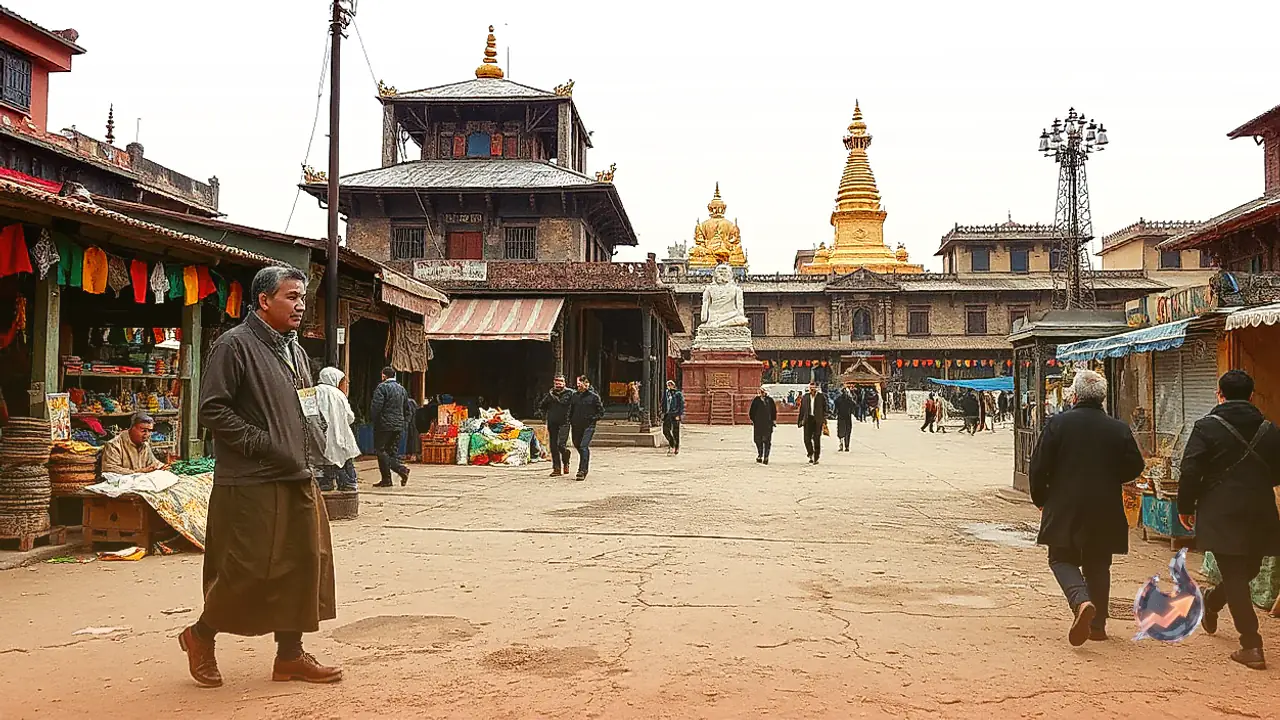

With the arrival of the winter tourism season in Bodh Gaya, the annual Tibetan refugee market has once again opened its doors to shoppers. Held continuously for approximately 40 years, this seasonal hub attracts both international travellers and domestic shoppers looking for quality winterwear at affordable rates. The tourism calendar in Bodh Gaya kicks off in October, drawing hundreds of thousands of Buddhist devotees and tourists from around the globe, with visitors from Vietnam, Tibet, and Myanmar already arriving in town.
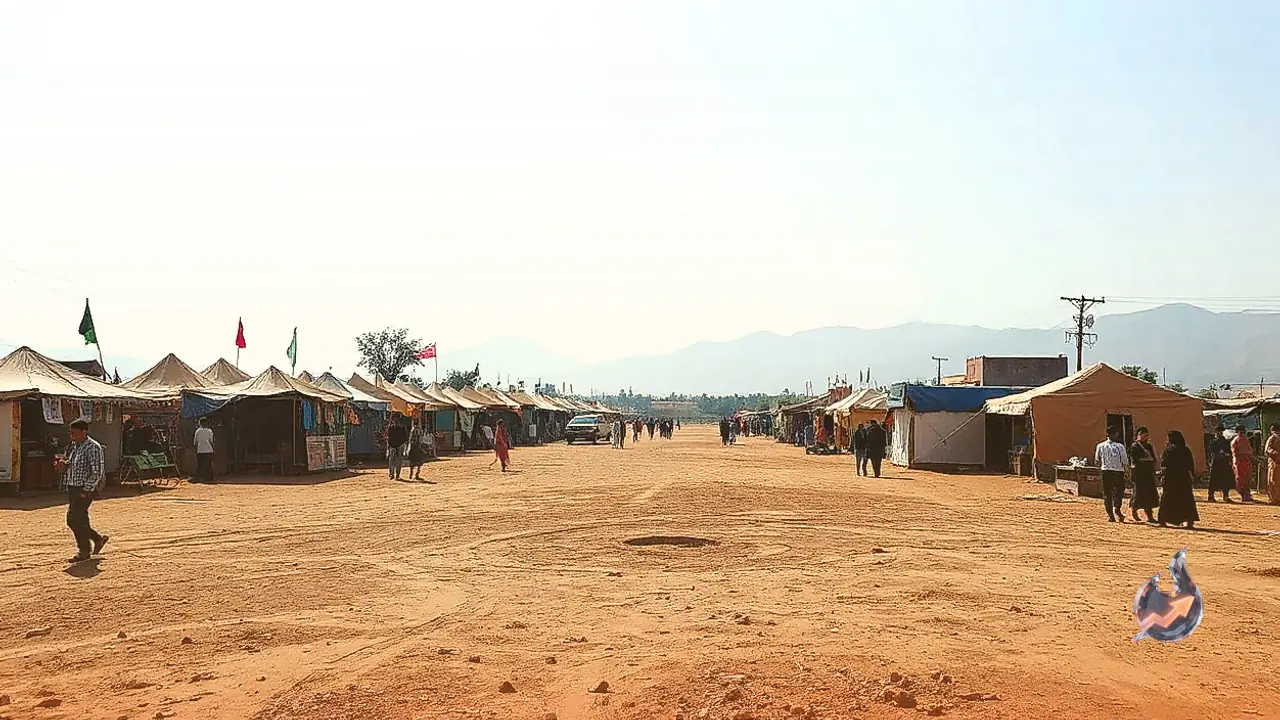
50 Stalls Set Up Near the 80-Foot Statue
The market is situated close to the prominent 80-foot Buddha statue in Bodh Gaya. A total of 50 retail stalls have been established for the current season. Among these, 30 stalls are run by refugees hailing from Tibet, while the remaining 20 are operated by local shopkeepers. A major highlight of the fair is the wide availability of warm clothing manufactured outside India.
Shoppers from all economic backgrounds frequent the venue, with prices starting from as low as 100 rupees and extending into several thousand rupees. Residents from nearby Gaya city and adjacent areas travel regularly to the grounds to purchase their seasonal apparel alongside visiting pilgrims.
Daily Operating Hours and Fixed Pricing Structure
Operating every day of the week, the market welcomes visitors from 8:00 AM to 8:00 PM without interruptions. A defining feature of transactions here is the fixed-price rule across stalls, leaving no room for bargaining. Despite the non-negotiable prices, shoppers find the products significantly less expensive than prevailing rates in conventional commercial centres.
Tezing, a vendor who traveled from Tibet, explained that the market operates annually from October through February. Once the winter chill fades and February concludes, the market closes down, and the visiting sellers pack up to return home.
Wide Range of Overcoats, Shawls, and Personal Accessories
Over its four-decade history, the gathering has built a solid reputation for variety and durability. Beyond regular knitwear, stalls offer heavy coats, fine shawls, Korean supermarket items, cosmetics for women, luxury bags, footwear, and diverse personal-use accessories.
According to merchants on the ground, children's and women's thermal apparel command the highest demand among retail buyers. The fair generates transactions worth lakhs of rupees across the season, providing a substantial economic boost to visiting Tibetan vendors as well as participating local entrepreneurs.