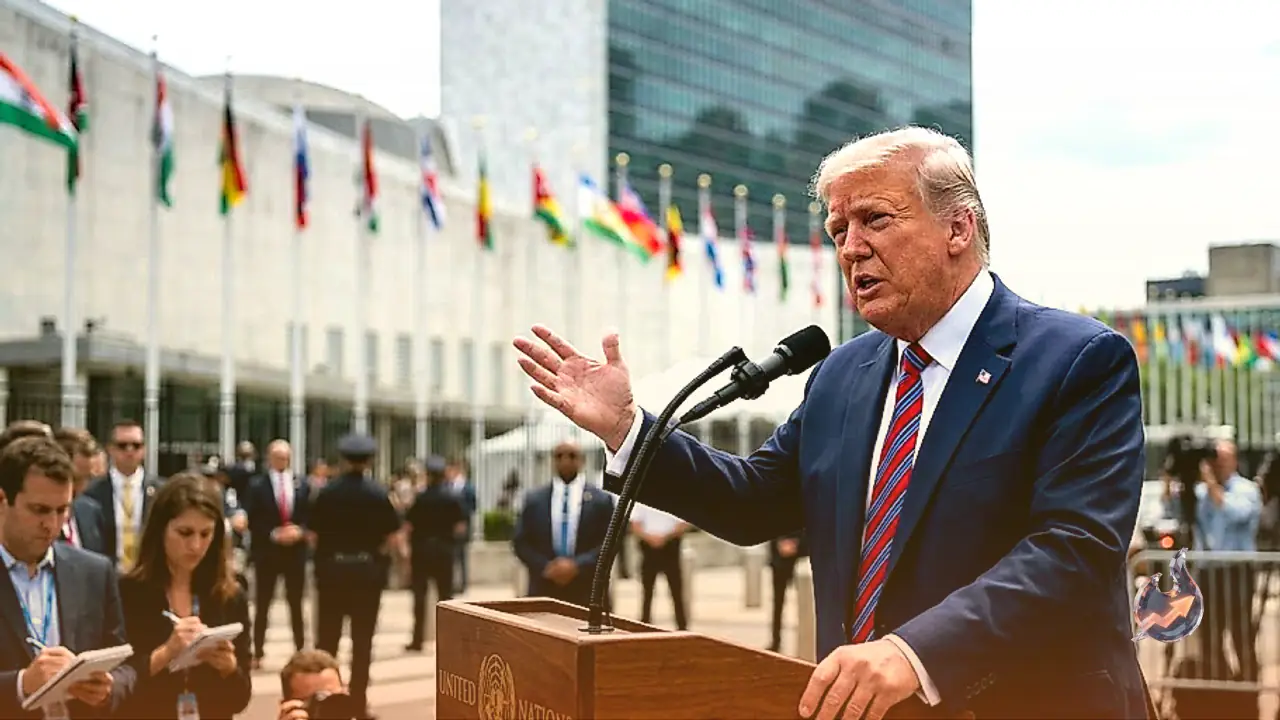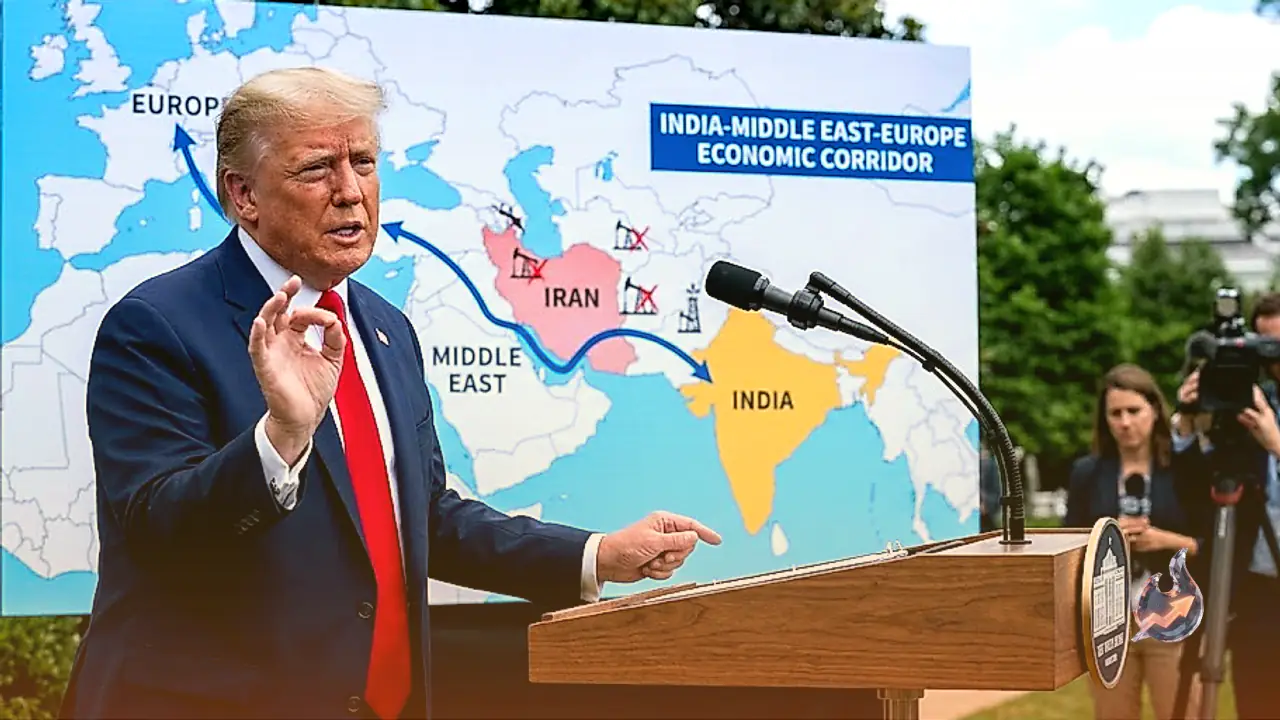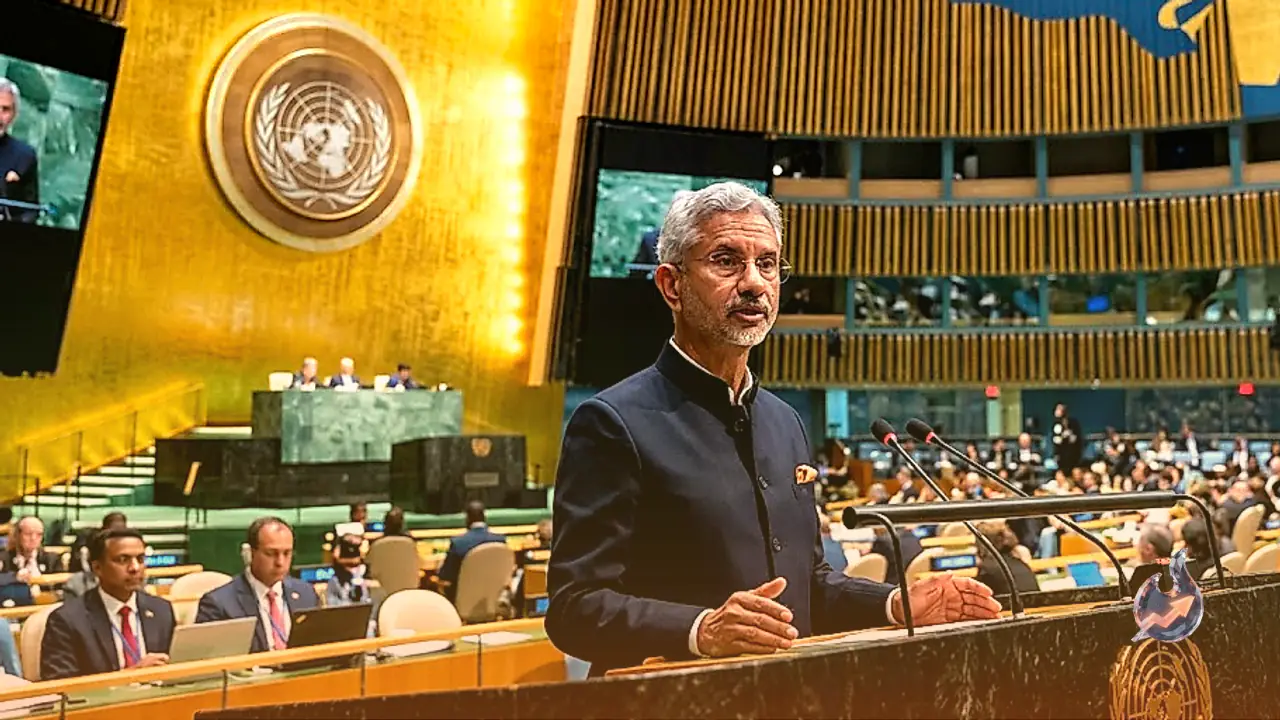
























Addressing international delegates at the United Nations, Donald Trump presented an expansive review of his foreign policy track record that has quickly ignited widespread debate. He told the gathering that American diplomacy successfully intervened in the 2025 confrontation between India and Pakistan, preventing an escalation between the two nuclear-armed neighbors and saving an estimated 30 million lives. He framed this episode as a signature achievement of his overseas strategy. However, official authorities in India had previously rejected any suggestion that third-party mediation or American intervention halted the dispute. This contrast has placed his latest address under intense scrutiny, particularly as independent fact-checkers question several other assertions made in the same speech.
Disputed Claims of Halting Eight Global Wars
During the session, Trump asserted that he holds the distinction of having brought eight major conflicts to an end during his presidency. To support this narrative, he enumerated disputes involving Cambodia and Thailand, Kosovo and Serbia, Rwanda and the Democratic Republic of the Congo, as well as Armenia and Azerbaijan. His tally also incorporated the confrontation in Gaza, the standoff between Israel and Iran, and tensions between Egypt and Ethiopia. Independent reviews of these claims concluded that the total was notably exaggerated. Diplomatic friction between Egypt and Ethiopia never manifested as an armed war. Furthermore, Kosovo and Serbia were not engaged in an active war during his administration, and hostilities between Rwanda and the Congo persisted on the ground despite formal diplomatic peace agreements.
Discrepancies in Climate, Economy, and Military Readiness Statements
The controversy surrounding the speech extended beyond international warfare. Trump also commented on environmental science, remarking that figures who previously warned about global warming have now turned their attention toward warning about the hazards of artificial intelligence. Official documentation from the World Meteorological Organization contradicts this perspective, demonstrating that average global temperatures have consistently risen over recent years. Discrepancies also surfaced regarding domestic matters. While he declared that his policies secured 21 trillion dollars in new investments for the nation, the administration's own official web portal published a conflicting total. Similarly, assertions regarding the strength of national defense inventories were challenged by oversight findings from the Pentagon's Inspector General and the Congressional Budget Office, both of which detailed shortages in critical munitions.
Republican Candidates Break Ranks Over Rising Economic Fallout
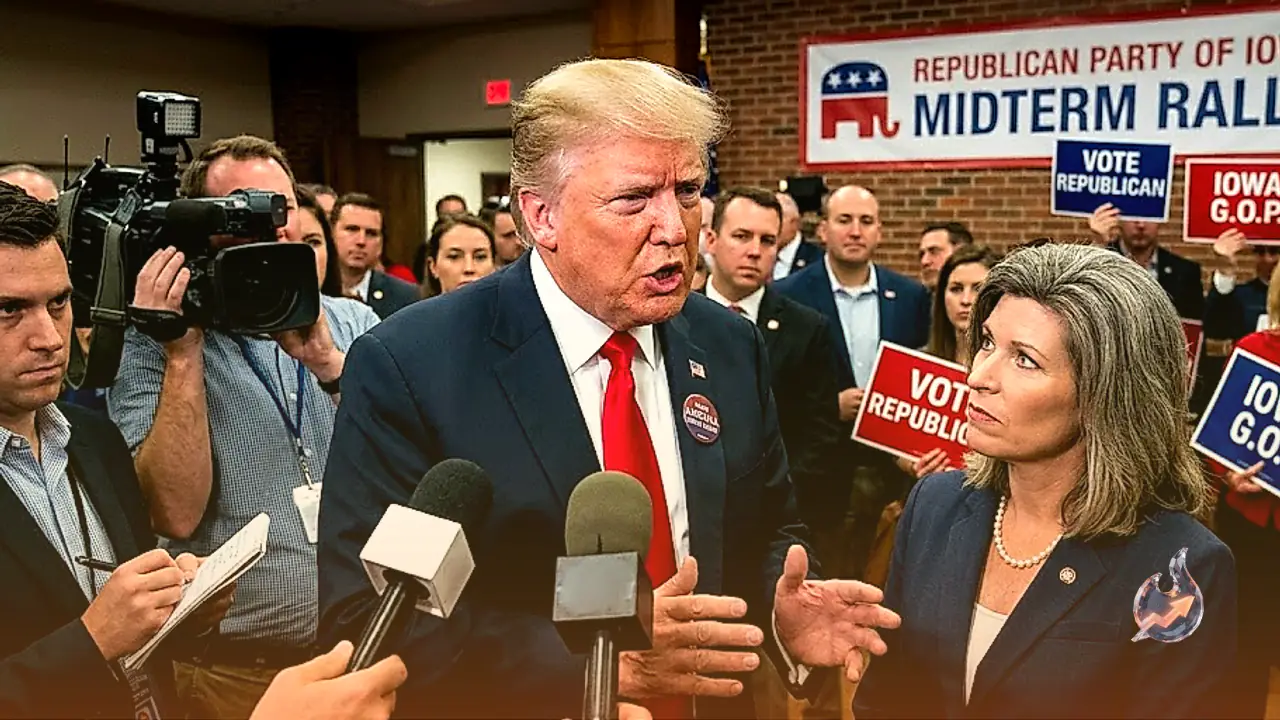
Back home, the fallout from these positions is generating acute political friction within the Republican ranks as crucial midterm elections draw near. Several prominent party figures running for office have begun voicing public unease over the ongoing military campaign in Iran. In Michigan, Republican Senate hopeful Mike Rogers highlighted the distress felt by working families confronting steep living costs and urged a rapid conclusion to the hostilities. Representative Ashley Hinson of Iowa echoed similar sentiments, insisting that ordinary citizens should not carry the financial burden of warfare through inflated grocery bills and higher prices at the pump. Both lawmakers had initially backed the administration's military maneuvers. Hinson maintained that while decisive action was originally justified to avert a wider confrontation, winding down the ongoing operations has now become an urgent necessity.
Surging Fuel Costs Drive Public Approval Lower
The economic reverberations of the conflict with Iran have rattled retail fuel markets, directly driving up gasoline prices across the country and eroding voter support. Fresh polling data underscores the political vulnerabilities confronting the administration. Only 26 percent of American adults currently express approval of Trump's management of the Iranian situation, marking a noticeable slide from the 33 percent registered just four weeks earlier. Significantly, this erosion of confidence extends to his own political base: Republican support for his strategy plummeted from 73 percent in March to 60 percent. In response to the growing domestic fracture, administration spokesperson Davis Ingle dismissed suggestions of a party rebellion, emphasizing that Trump remains the undisputed head of the Republican Party and is fully focused on delivering a congressional majority.