






















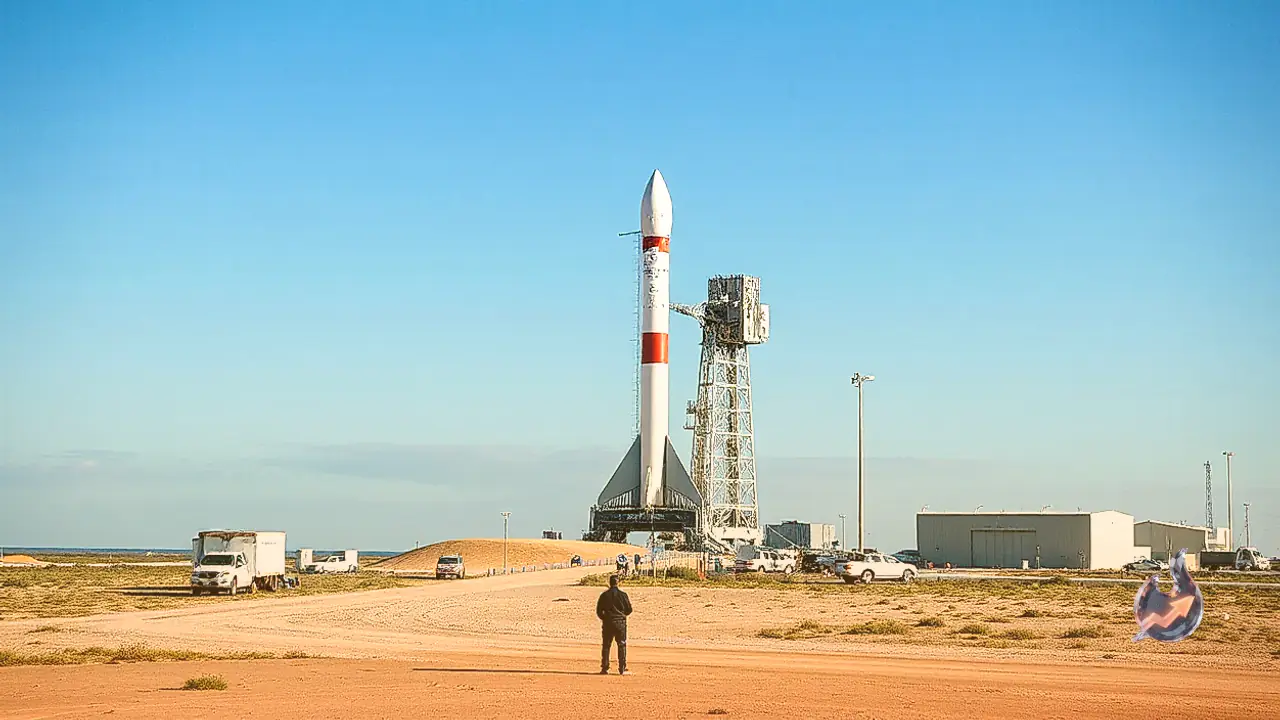

Sending rockets into space is widely recognized as an extraordinary engineering challenge, but bringing them safely back down to Earth is an even greater hurdle. Elon Musk's aerospace company SpaceX has been working tirelessly to simplify this exact process by having its massive Starship rocket return directly to the launch site, where giant mechanical arms catch it mid-air. This innovative recovery method allows the hardware to be reused multiple times, significantly reducing the manufacturing costs associated with building a fresh rocket for every single launch. While the company has successfully executed this remarkable feat on previous occasions, the recent Flight 15 mission did not go entirely according to plan, as a technical malfunction forced the Super Heavy booster off its intended trajectory and sent it down into the Gulf of Mexico.
Super Heavy Booster Diverted Away From Launch Tower
During this particular test flight, SpaceX outlined an ambitious plan to recover both major sections of the rocket within the same mission profile. The primary objective required the Super Heavy booster to fly back to the launch site located in South Texas. Once there, two massive mechanical arms mounted on the launch tower, colloquially referred to as chopstics, were scheduled to grab the descending booster out of the air. However, shortly after the booster and upper-stage ship separated, an unexpected technical anomaly developed. The onboard automated system immediately intervened, aborting the planned return sequence to the launch site and redirecting the booster's path away from land.
Understanding The Mid-Flight Route Change
The Starship rocket system is constructed from two main components: the lower section known as the Super Heavy booster and the upper section simply called the ship. During ascent, these two segments separate, allowing the upper portion to continue its journey toward deep space while the booster executes a controlled return toward Earth. On Flight 15, the booster was programmed to approach the launch tower for a mechanical catch. Following the separation phase, an onboard technical glitch triggered the automated safety protocols, disabling the landing sequence at the launch site. Consequently, the booster was steered toward the Gulf of Mexico, where it completed a controlled descent into the water, though the primary objective of securing it on the launch tower remained unfulfilled.
First Attempt At Catching The V3 Booster Variant
This mission held special significance for SpaceX because it marked the very first time the company attempted to catch the upgraded V3 version of the Super Heavy booster back at the launch tower. Prior to this test, the company had successfully captured three older variants of the Super Heavy booster. The ultimate vision for SpaceX involves making both portions of the Starship vehicle fully and rapidly reusable. Traditionally, the vast majority of rocket hardware is lost or rendered unusable after a single orbital flight. By developing advanced recapture mechanisms, the aerospace firm aims to bring the vehicle back to the launch pad, refurbish it quickly, and launch it again on subsequent missions.
Upper-Stage Ship Continues Its Orbital Objectives
Despite the unexpected complication during the booster recovery phase, the upper-stage ship portion of Starship remains fully operational and is continuing its assigned mission profile. The spacecraft is tasked with deploying the next batch of 26 Starlink V3 satellites into orbit. In addition to satellite deployment, the ship is scheduled to complete approximately 14 orbits around the Earth before attempting its own return trajectory toward Starbase. SpaceX is now eyeing another historic milestone, as the company ultimately hopes to catch the upper-stage ship using the launch tower chopstics as well. Achieving this feat would mark the first time an orbital-class upper stage is successfully captured directly at the launch site.