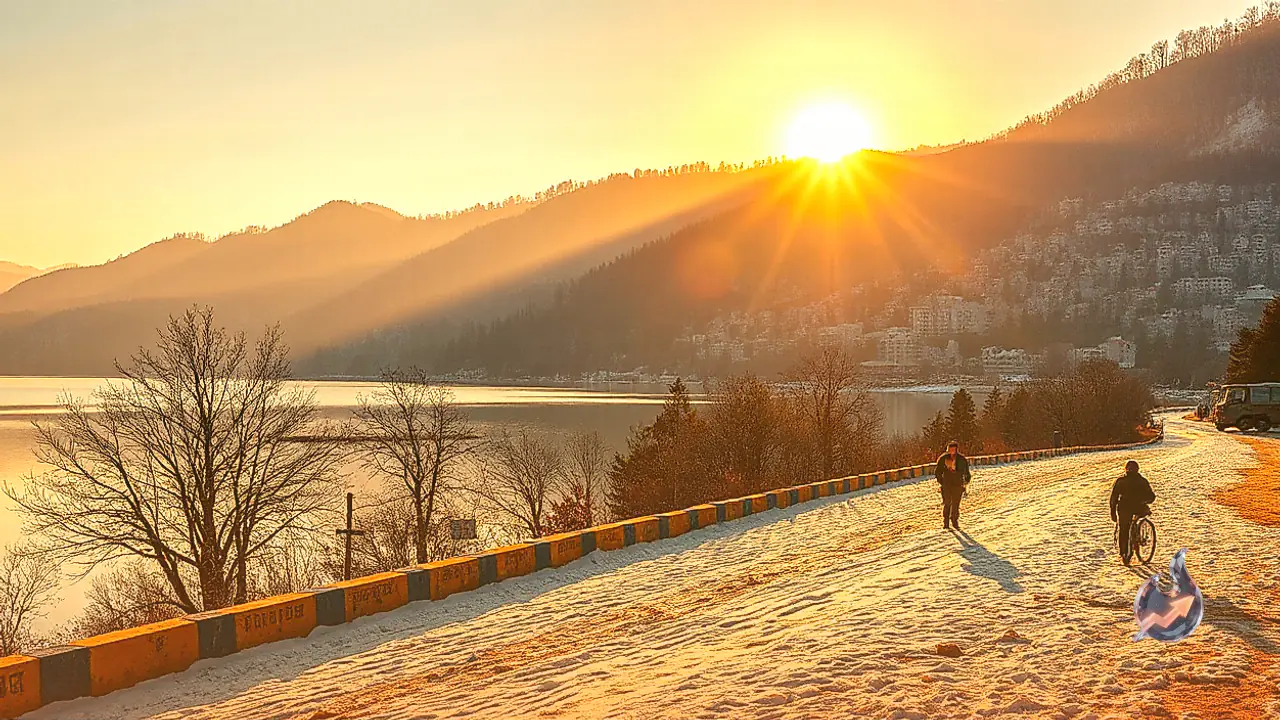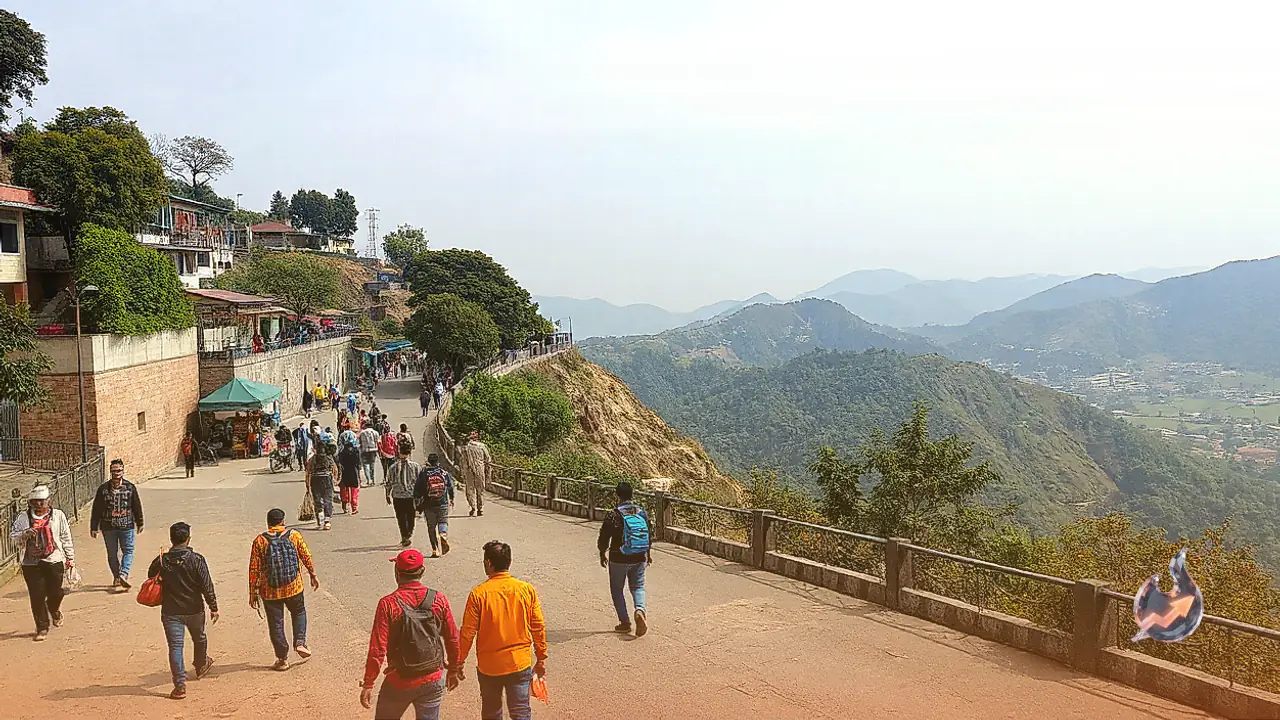
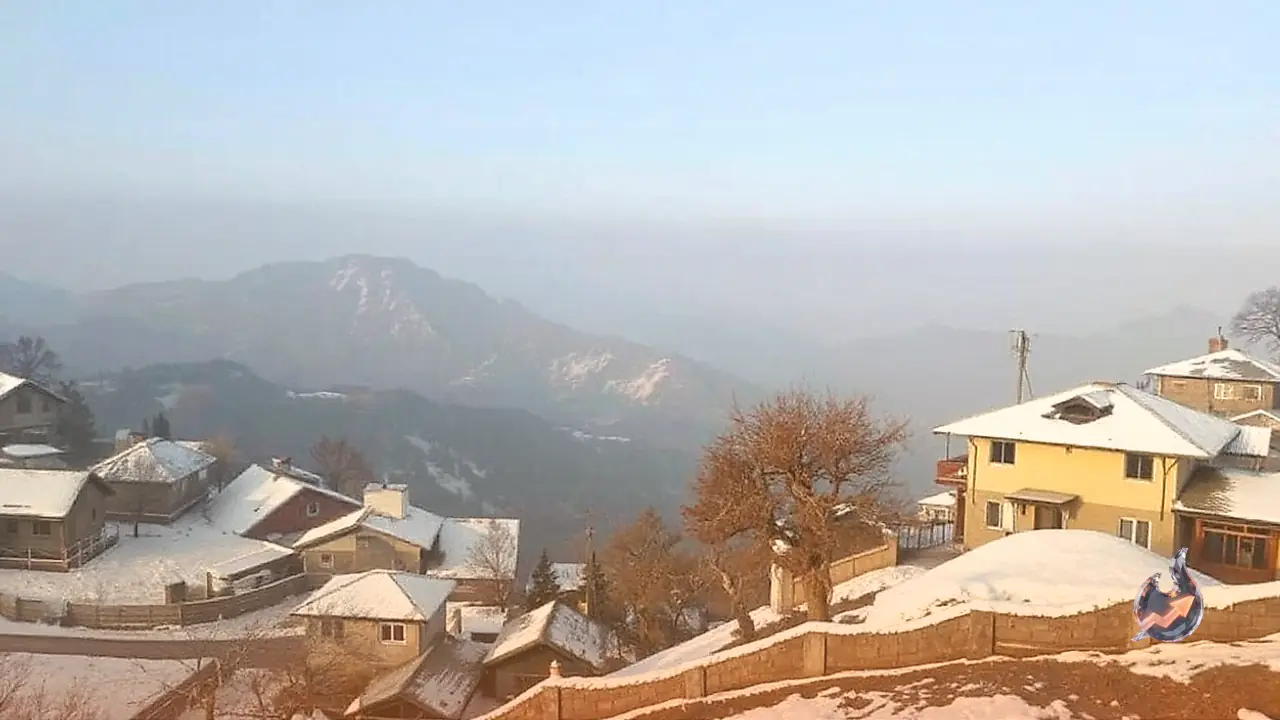


















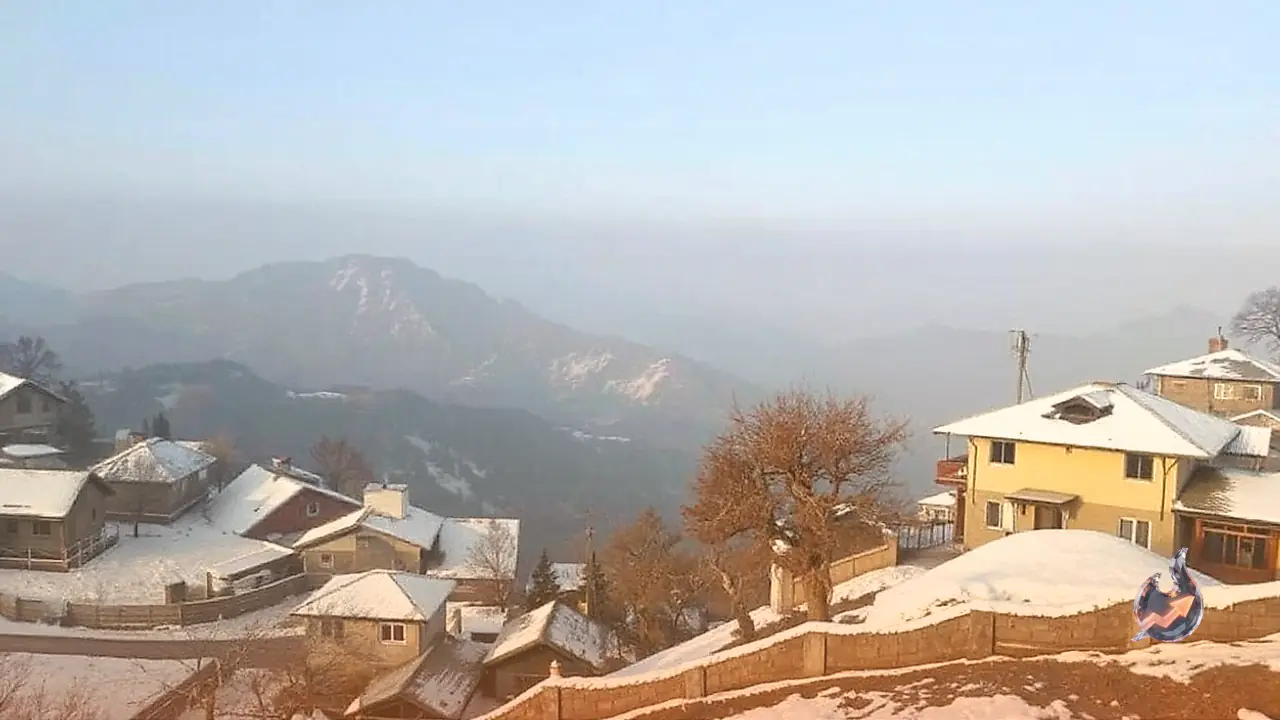

The popular hill station of Nainital in Uttarakhand is globally renowned for its scenic beauty, expansive lake, and pleasant climate. However, over the past few years, the local climate of this mountain town has been shifting noticeably, sparking anxiety among residents and environmentalists alike. There was a time when the onset of winter brought a sharp drop in temperatures, enveloping the entire town in a bitter chill. The surrounding hills would don a thick blanket of white snow, but those sights are becoming increasingly rare with the passage of time. Neither the biting cold of the past is felt anymore, nor does the winter season bring the heavy snowfall it once did. This shifting weather pattern is impacting the distinct geographical identity of the region.
The Freezing Winters of Three Decades Ago
Sharing past experiences, local residents recall that around 30 to 35 years ago, winters in Nainital were exceptionally harsh. As soon as the winter season arrived, temperatures would plummet rapidly, triggering heavy snowfall across the town. Snow would accumulate so densely that residents often struggled just to open their front doors. Clearing thick layers of snow from rooftops required immense physical effort from the local population. That era of heavy winters was a defining characteristic of Nainital's climate, one that has gradually faded away.
Unseasonal Rains and Fluctuating Temperatures
Over recent years, this traditional weather cycle has undergone visible alterations. Bright sunshine frequently breaks through during the winter months, reducing the chilly effect. Unseasonal rainfall and erratic temperature fluctuations have also become increasingly common. According to locals, even November and January now witness multiple days where strong sunlight creates a deceptive feeling of warmth. This abnormal atmospheric behavior poses serious questions about environmental balance.
Decline in Local Humidity Levels
Ramesh Chandra, a long-time resident and weather observer in Nainital, explains that around 30 to 35 years ago, the town boasted abundant greenery and high humidity. Vegetation like wild mint naturally thrived in damp areas around residential neighborhoods. Wastewater flowing out of homes traveled through open drains down to the lake, maintaining adequate moisture levels throughout the surrounding atmosphere. According to him, Nainital possessed its own distinct local weather system and a localized monsoon during that period, which has now vanished.
Disruption of Natural Water Flow and Sewage Systems
Chandra notes that while the area previously experienced generous rainfall and intense winters, urban development has drastically altered the municipal infrastructure. Traditional open drains carrying household run-off were replaced by underground sewage pipelines. This modification disrupted the natural flow of water and dismantled the mechanism that sustained atmospheric moisture around the town. Chandra claims that this disruption has caused a 50 to 59 percent decrease in Nainital's local humidity. He believes this moisture deficit has directly impacted local rainfall patterns and the broader weather cycle.
Shifting Rainfall Sequences
Describing the altered sequence of precipitation, Chandra points out that Nainital used to receive rainfall first before it extended to surrounding areas. However, that sequence has now reversed. Currently, regions like Jholikot and Baldiyakhan receive rainfall earlier, while precipitation reaches Nainital much later. According to him, these adjacent lower-altitude areas still retain relatively higher moisture levels compared to the town center.
Unplanned construction and the relentless influx of tourists are also emerging as major threats to the environment. The growing population and rising vehicular pressure are driving up pollution levels inside the town. Furthermore, construction activities carried out in blatant disregard of environmental standards have severely compromised the ecological balance. All these human activities are exerting immense pressure on the local climate.
A Warning Bell for Tourism and Ecology
Nainital's identity is intrinsically tied to its cool climate, lush greenery, picturesque lake, and snow-capped peaks. Consequently, these adverse climatic shifts could heavily impact the tourism sector in the near future. Tourists visiting with the expectation of experiencing winter snow are frequently returning disappointed. According to meteorologists, climate change across the broader Himalayan region, rising global temperatures, and shifting precipitation patterns are driving these environmental transformations.
The shifting climate of Nainital is not merely a seasonal anomaly, but a clear signal of the severe challenges confronting the fragile mountain ecosystem. If timely attention is not paid to protecting natural water sources, reviving greenery, and promoting eco-friendly development, future generations may only be able to experience Nainital's legendary chill and natural charm through memories and old accounts.