



















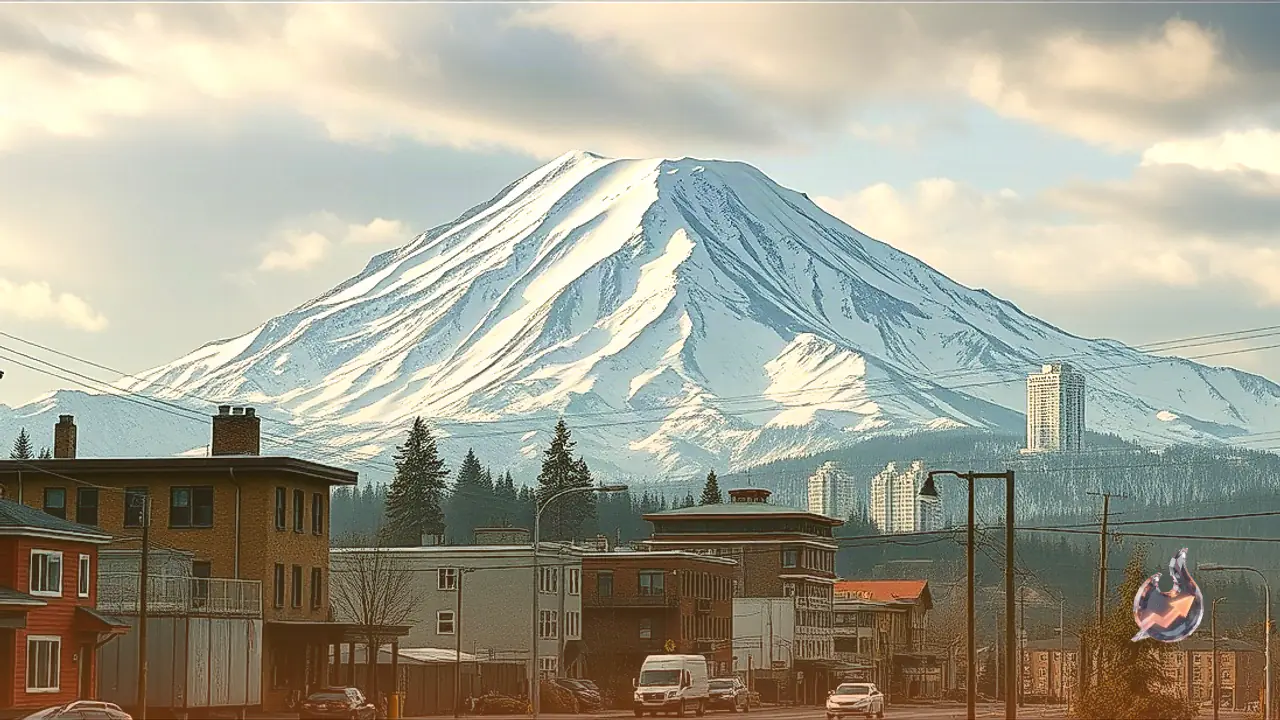

Following a catastrophic natural disaster in Nepal, safety concerns have resurfaced in the United States over Mount Rainier, a massive volcano located in Washington state. Scientists warn that Mount Rainier poses a severe hazard even without an active volcanic eruption. Its snow-covered and ice-laden slopes can generate deadly flows of mud, rock, and debris known as lahars, putting millions of nearby residents in potential danger.
The Science Behind Mount Rainier's Lahar Danger
Mount Rainier's steep peaks are covered with extensive glaciers and heavy snowpacks. If these glaciers melt rapidly, or if the region experiences heavy rainfall, landslides, or even minor earthquakes, massive sections of ice and rock can detach. As this material rushes downhill, it combines with soil and water to create a high-speed torrent of mud and debris called a lahar. Traveling rapidly through river valleys, these flows can obliterate infrastructure and communities within a matter of minutes without any volcanic activity taking place.
Millions at Risk Across the Seattle-Tacoma Metro Area
The potential impact of a lahar from Mount Rainier threatens the densely populated Seattle-Tacoma metropolitan area, home to more than 33 lakh residents. More critically, over 60 thousand residents live directly inside designated hazard zones that sit in the immediate path of potential debris flows. Should a sudden slope failure occur on the volcano, these low-lying valleys could face swift and devastating inundation.
Tragic Lessons from the Nepal Flash Flood
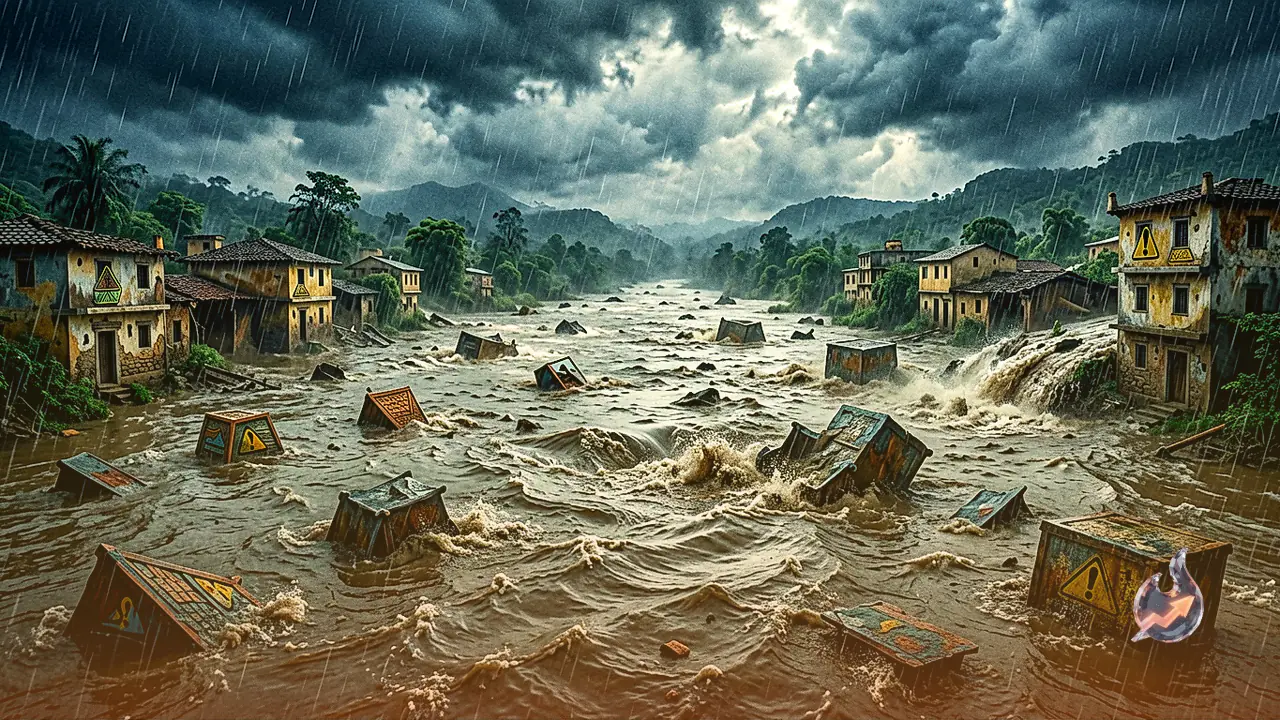
The renewed urgency around Mount Rainier follows a devastating event in Nepal on Wednesday, where a sudden disaster claimed over 100 lives and left hundreds more missing. Investigators believe that a massive avalanche or glacier rupture dropped thousands of feet, sending a lethal combination of ice, rocks, and water surging down river channels. The destruction in Nepal serves as a stark reminder of how rapidly glacial collapses can escalate into major catastrophes, echoing the precise mechanism feared at Mount Rainier.