




















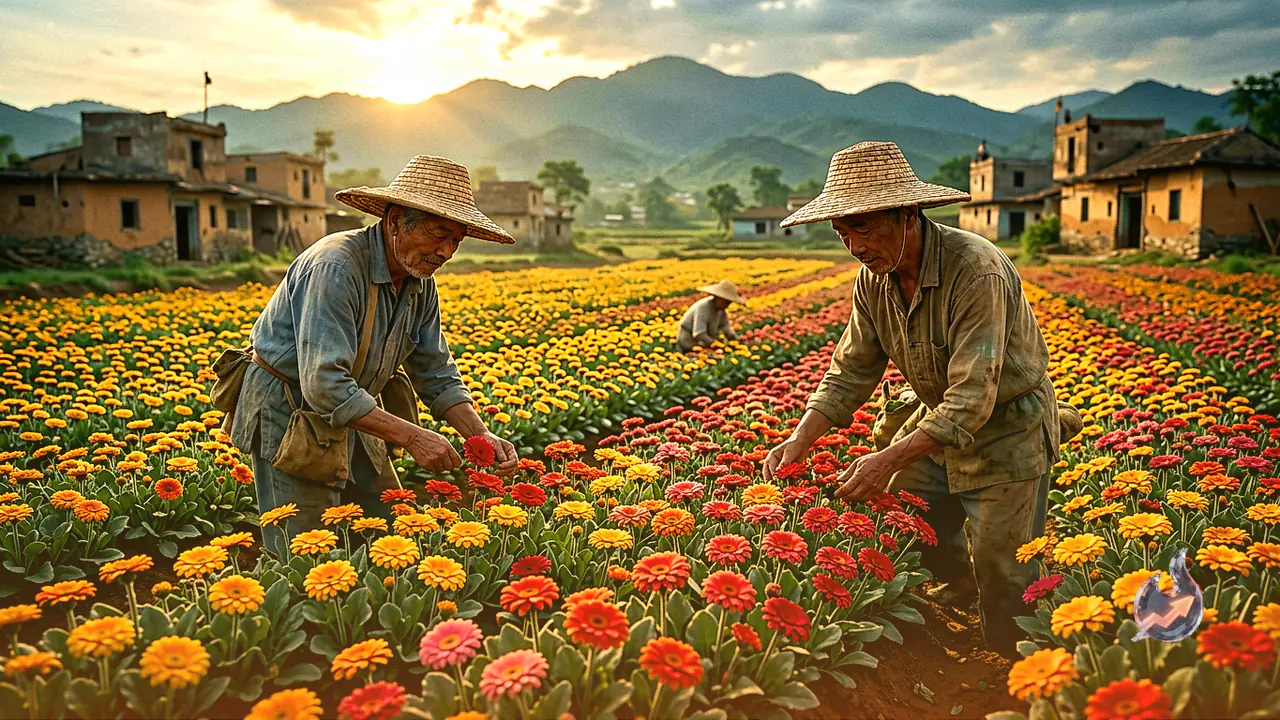

Agricultural practices in the Palamu district of Jharkhand are undergoing a notable shift as traditional growers diversify into high-value protected floriculture. With smaller landholdings yielding higher economic returns through specialized crops, Gerbera flower farming has emerged as a highly lucrative alternative to conventional farming. To encourage protected cultivation in the current cycle, the state government is providing substantial financial subsidies, making commercial flower farming significantly more accessible for local cultivators.
Rs 6.60 Lakh Unit Cost Supported by 80 Percent Government Subsidy
The local horticulture department has outlined a targeted rollout to expand protected flower cultivation across Palamu, allocating a target of seven official units for the district. According to horticulture officer Sawan Kumar, the estimated total setup cost for a single unit under this state scheme stands at 6 lakh 60 thousand rupees. To relieve initial financial entry barriers, the state government covers 80 percent of the total project expenditure as a direct subsidy. Participating farmers are required to contribute only the remaining 20 percent of the cost, making the installation of polyhouses and specialized infrastructure financially viable.
Daily Cash Flow Replacing Seasonal Traditional Grain Crops
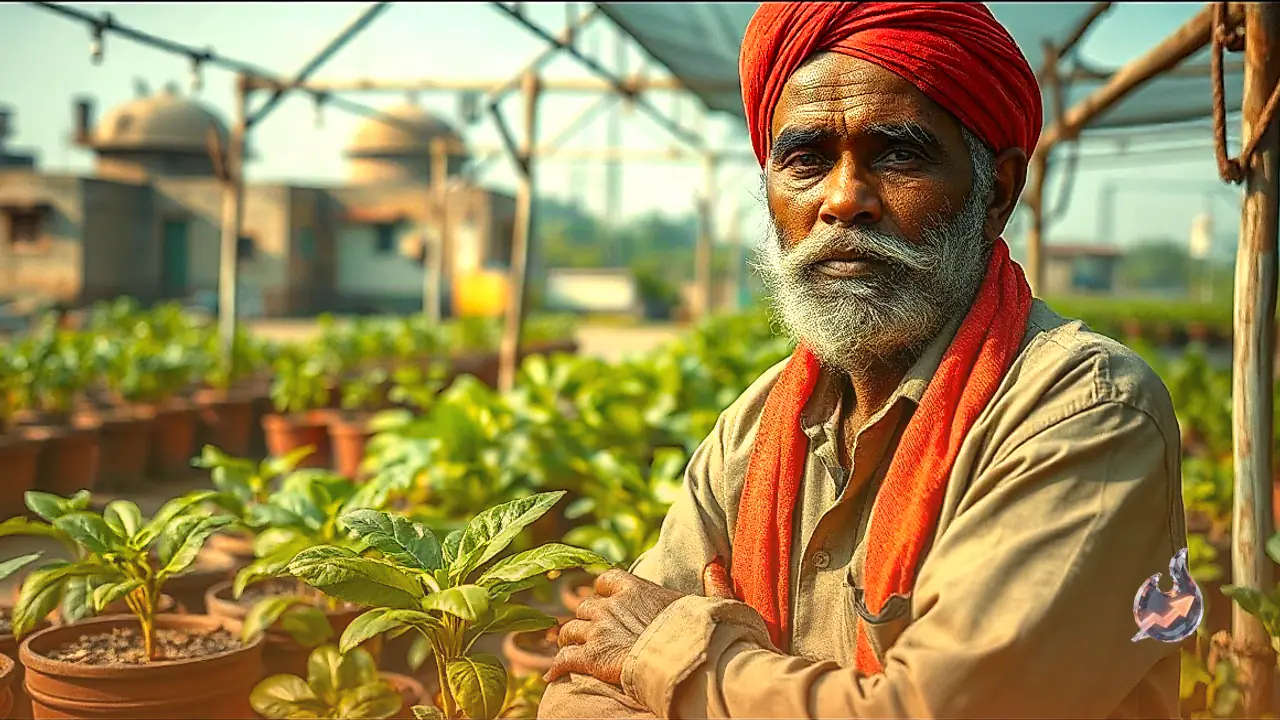
Local farmer Shankar Mehta, who spent years relying on traditional paddy and wheat cultivation, decided to modernize his farming approach by introducing Gerbera floriculture. He highlights that Gerbera farming yields far higher profit margins compared to conventional grain harvests. His unit now yields a steady harvest of approximately 300 to 400 fresh flowers each day, which are systematically transported and sold in the commercial markets of Medininagar and neighboring towns.
Strong Festival Demand Yields Rs 8 to 10 Per Piece
In local trading hubs, individual Gerbera stems command wholesale and retail prices ranging between 8 and 10 rupees per piece. The continuous daily harvest provides farmers with steady liquidity rather than forcing them to wait for traditional seasonal harvest cycles. Over a four-month production period, a single unit generates an estimated revenue of around 1 lakh rupees. Consistent market demand driven by wedding seasons, religious ceremonies, and community functions keeps sales active. Although initial capital is required for structural installation and plant acquisition, the 80 percent state subsidy drastically offsets setup costs, turning protected floriculture into a reliable commercial model.