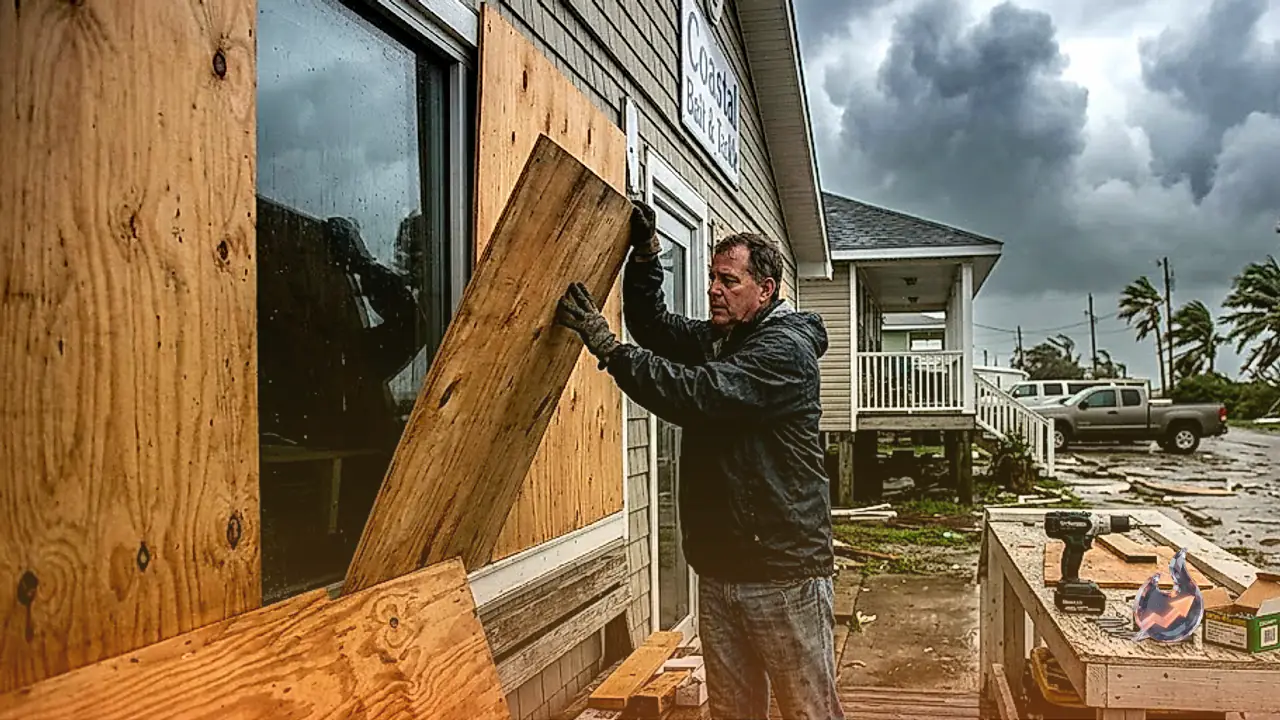























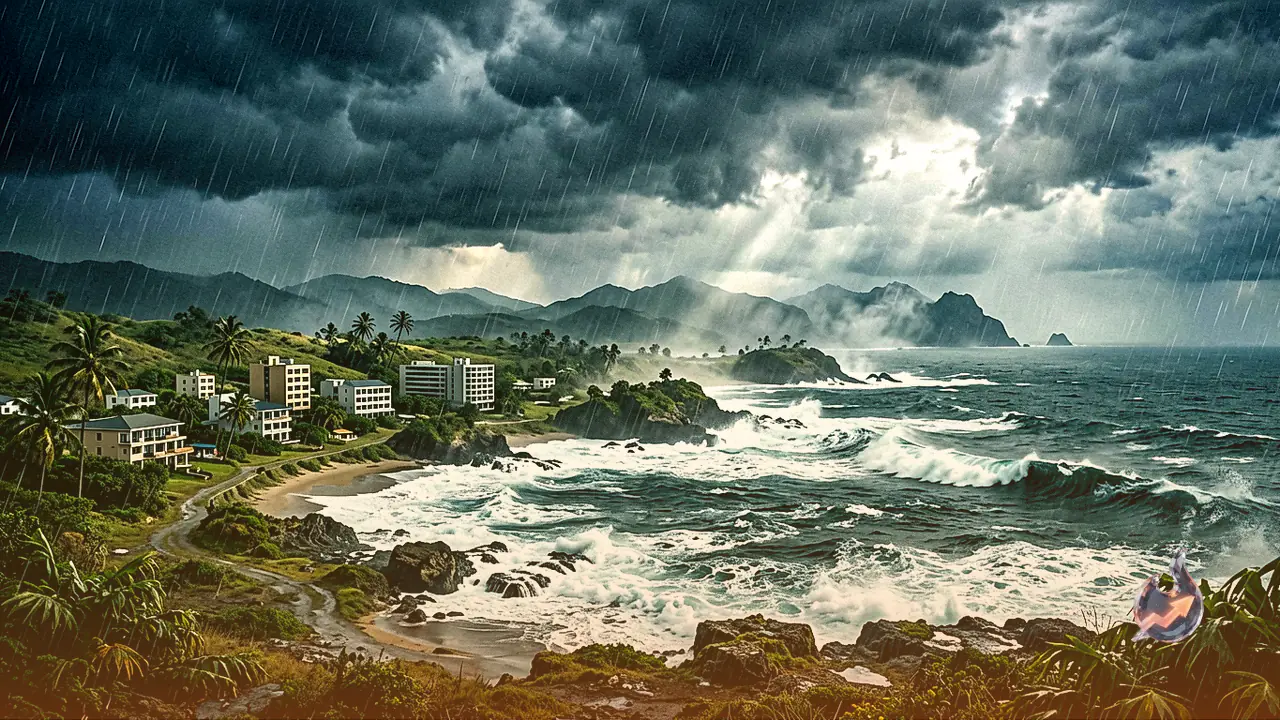

Severe Tropical Storm Lala is bearing down rapidly on the state of Hawaii, with forecasters predicting a direct impact on the Big Island by Saturday. The atmospheric system is generating sustained winds of up to 137 kilometers per hour, alongside threats of torrential downpours, flash flooding, and hazardous surf conditions. In response to the looming danger, state authorities have declared an official state of emergency across the islands to prepare for severe impacts.
Island Warnings and Rainfall Projections
A hurricane warning has been officially issued for Hawaii County as the storm approaches, while tropical storm warnings cover Maui, Molokai, and Kahoolawe. Neighboring islands remain under heightened weather surveillance, with authorities urging residents to maintain vigilance throughout the weekend.
Projections from NOAA indicate that localized areas across Maui and the Big Island could receive up to 30 centimeters of rainfall. In the most severely affected regions, precipitation totals might climb as high as 64 centimeters. Alongside intense rain, coastal zones face dangerous storm surges expected to raise ocean levels between 0.3 and 0.9 meters above normal tide levels. Severe weather conditions are anticipated to persist through Sunday.
Government Response and Public Safety Guidelines
The Governor of Hawaii stated that the emergency declaration is designed to immediately streamline relief and rescue resources. The decree authorizes immediate state action to clear debris from roadways and reinforce critical infrastructure against heavy winds and flooding.
The Hawaii Emergency Management Agency has released detailed safety recommendations for local communities. Residents are advised to clear residential gutters and drainage paths, elevate valuable possessions off ground level, and seal gaps around exterior doors. Authorities also recommend trimming hazardous tree branches near structures to prevent wind damage and strongly instruct everyone to stay clear of beaches and low-lying coastal areas.
El Niño Intensity and Climate Factors
Storm Lala arrives during the development of a powerful El Niño event in the Pacific Ocean. According to NOAA forecasts, there is a 69 percent probability that this El Niño pattern will reach historically strong intensity levels between October and December.
Climate scientists note that broader environmental changes are amplifying the impact of such weather events. Warmer ocean waters and higher atmospheric moisture supply additional thermal energy to storm systems, significantly elevating the risk of extreme rainfall and severe flooding.