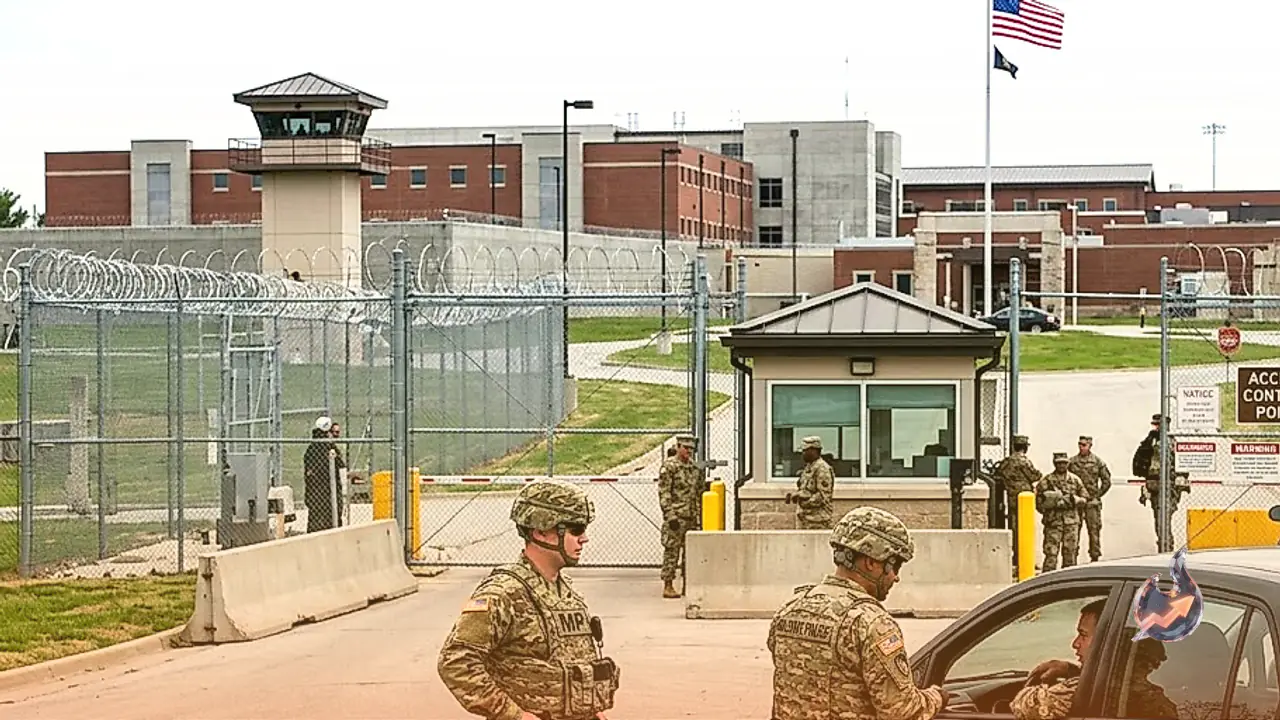























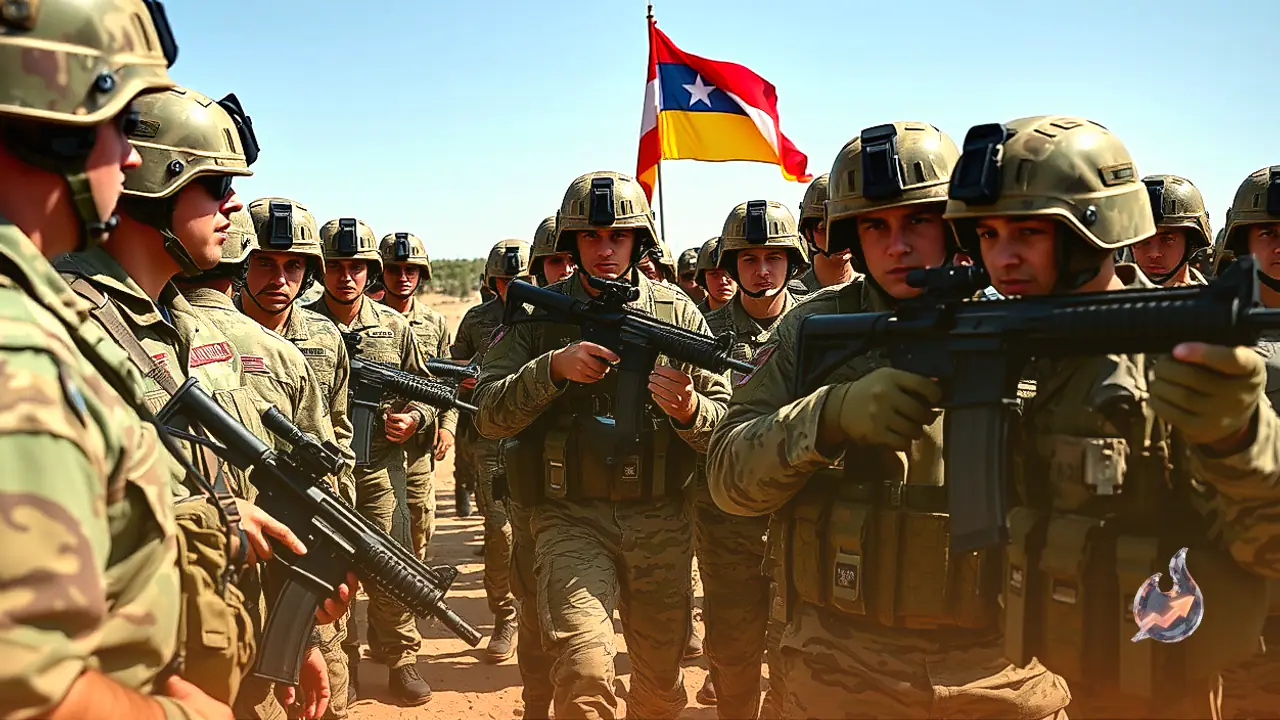

In a significant adjustment to its modern infantry small arms program, the US Army is moving away from the recently adopted M7 rifle in favor of the newly developed, lighter M8 carbine. The weapon fires standard ammunition at a muzzle velocity of approximately 3,180 kilometers per hour, designed to neutralize targets at ranges of up to 600 meters even when protected by modern body armor.
Frontline Feedback Prompts Reversal on Service Rifle
The US military maintains stringent standards when upgrading frontline service weapons. Just three years after selecting the M7 as its primary next-generation infantry weapon, the service is shifting course despite having already taken delivery of around 50,000 units. The operational impetus behind this decision stemmed from practical feedback gathered during field training and combat readiness evaluations.
Soldiers operating the M7 regularly encountered difficulties regarding the rifle's overall length and heavy profile during intensive operations. In response to these reported operational challenges, firearm manufacturer Sig Sauer worked in tandem with US Army development teams to redesign the weapon. That development effort resulted in the M8 carbine, previously designated during its experimental phase as the XM8. Initial field deployments for the new platform are scheduled to begin this December at Fort Bragg in North Carolina.
Lighter Profile Optimized for Urban Operations
The newly engineered M8 carbine features a substantially leaner build, weighing 3.3 kilograms unloaded and reaching 4 kilograms when fitted with its suppressor and protective heat shield. This represents a reduction of approximately half a kilogram, or about 1 pound, compared to the bulkier M7.
In addition to weight reduction, engineers shortened the barrel by approximately 3.5 inches relative to the M7. This compact profile significantly improves maneuverability in confined spaces and built-up urban combat zones. Crucially, the downsized profile retains full ballistic performance without downgrading power, utilizing the exact same high-pressure 6.8×51mm cartridge that powered the M7 platform.
Enhanced Ergonomics and Barrel Stabilization
To preserve shot placement during rapid engagements, the M8 integrates an M-LOK free-floating handguard. By avoiding direct physical contact with the barrel, the assembly ensures that thermal expansion during sustained fire does not warp the barrel or degrade operational precision. Furthermore, the incorporation of a fixed stock provides soldiers with improved recoil absorption during high-tempo fire sequences.
Operating via a select-fire mechanism, the platform allows personnel to switch between single-shot semi-automatic engagement and fully automatic fire delivering 600 to 750 rounds per minute. With muzzle velocity reaching 3,180 kilometers per hour, the discharged projectile covers a distance exceeding 500 meters in under one second.
Computerized Targeting via the M157 Fire Control System
A core element of the M8 system is its integrated M157 fire control unit. Weighing 1.21 kilograms, the system functions as a self-contained ballistics computer rather than a conventional optical sight. It incorporates 1x to 8x variable magnification, an onboard laser rangefinder, a ballistics trajectory processor, an infrared targeting laser, and atmospheric sensors that monitor ambient temperature and crosswinds.
The optic calculates ballistics solutions instantly and displays an adjusted aim point directly onto the operator's display. This guidance capability ensures consistent first-round hits against concealed or fortified positions at distances out to 600 meters, dramatically reducing target acquisition time.
Procurement Priorities Reflected in Fiscal Year 2027 Budget
The strategic shift toward the M8 is reflected in the military's upcoming acquisition spending plans. In its fiscal year 2027 budget request, the US Army requested funding to purchase 14,944 new M8 carbines. Concurrently, zero funds were requested for additional purchases of the M7 rifle.
Transitioning toward the M8 after accepting roughly 50,000 units of the preceding model underscores the critical weight military leadership places on real-world operator utility over laboratory specifications. The infantry will now field a lighter, shorter weapon that retains full armor-piercing capabilities at extended distances.