



















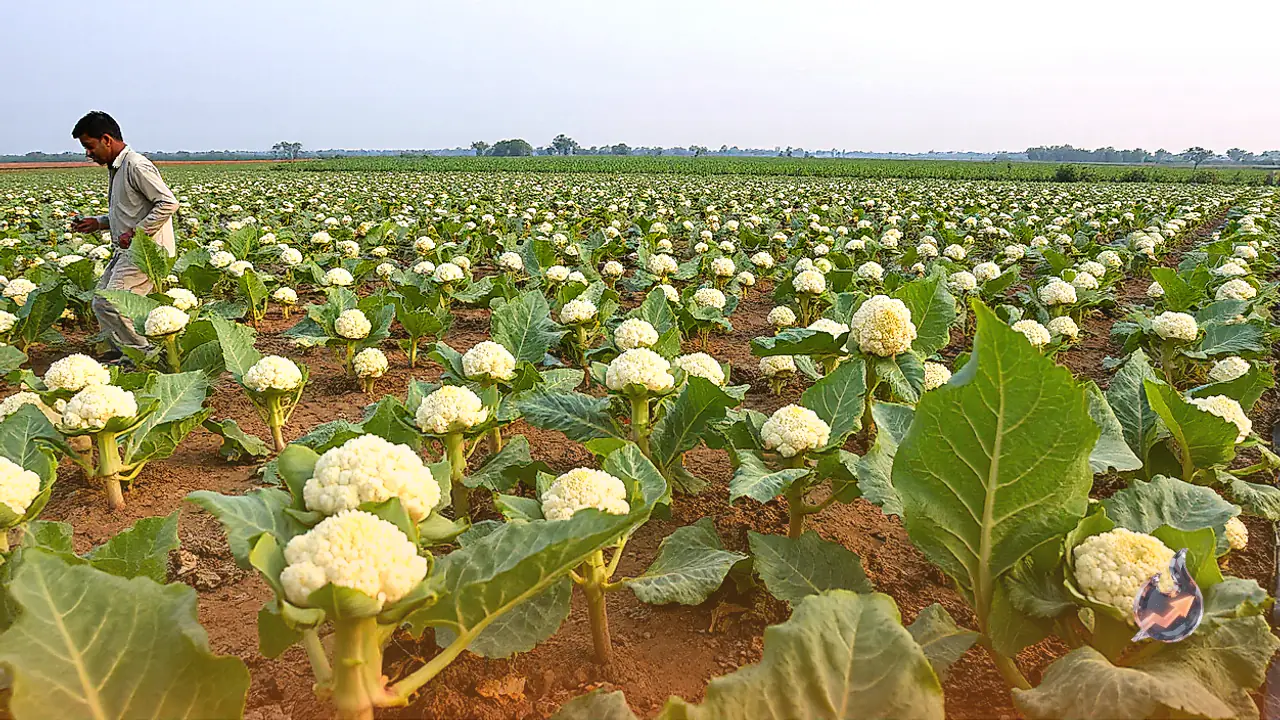

A perplexing pest infestation has hit early cauliflower plantations across the Mithilanchal belt of Bihar, causing widespread anxiety among growers. Cultivators throughout Darbhanga, Samastipur, and Madhubani dedicate substantial land every winter to this vegetable due to consistently strong commercial demand. However, this season's freshly transplanted seedlings face severe damage from a mysterious pest. The primary hurdle for cultivators is that the organism remains completely invisible during daytime hours, leaving behind damaged foliage without showing itself in bright daylight.
Farmers monitor crops before sunrise
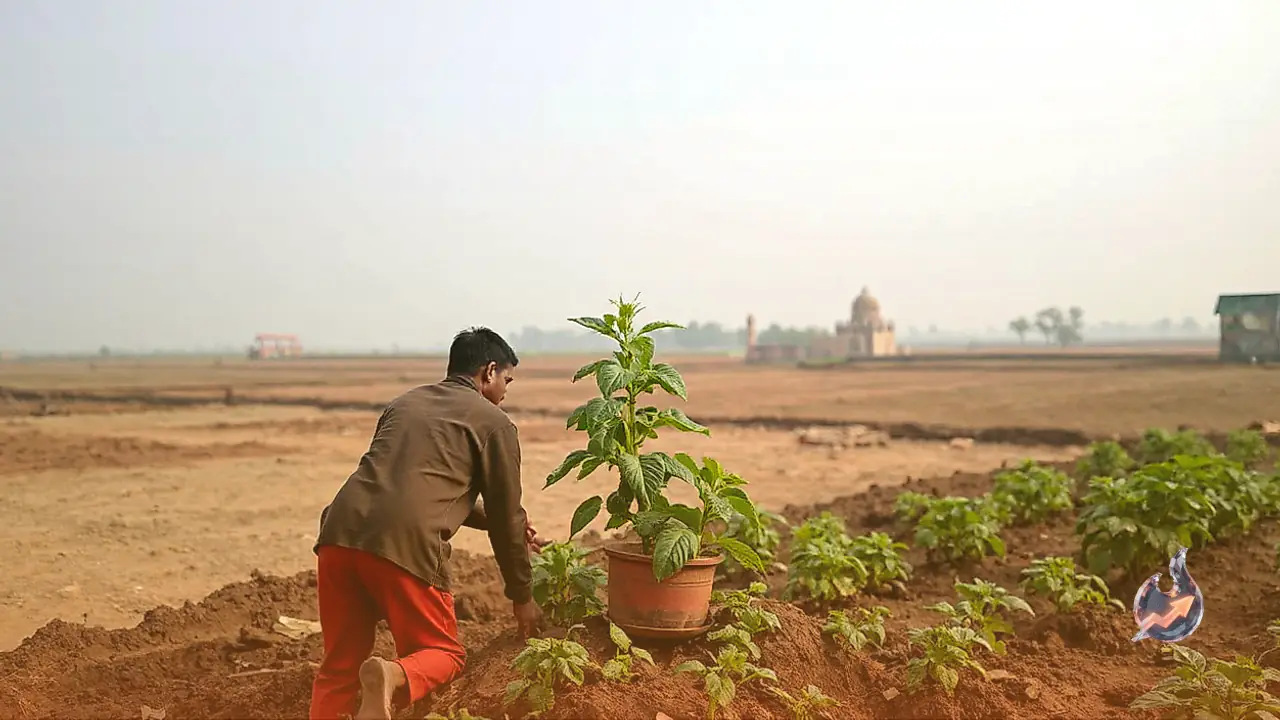
Growers have observed that this destructive insect surfaces on cauliflower foliage strictly in the early dawn and retreats as soon as sunlight breaks through. To catch the culprit in action, local farmers are heading into their fields well before dawn to scrutinize the saplings. Despite continuous pre-dawn vigils, capturing or spotting the exact organism remains difficult. Because young saplings are especially vulnerable at this initial stage of growth, there is mounting worry that entire field patches could fail before establishing healthy roots.
Inspecting the undersides of leaves
Addressing the growing crisis, Dr. S. K. Singh, a senior scientist at Dr. Rajendra Prasad Central Agricultural University, shared vital guidance for cultivators navigating the outbreak. He pointed out that farmers must enter the fields right around dawn and methodically inspect the undersides of the foliage where the pest typically conceals itself during early hours. Identifying the precise insect species is an absolute prerequisite, as selecting an effective chemical intervention is impossible without knowing the target pest.
Warning against unverified chemical treatments
The agricultural scientist strongly cautioned farmers against purchasing and spraying chemical solutions solely on the advice of retail shopkeepers. Instead of relying on random counter suggestions, growers should consult agricultural specialists to formally identify the insect before investing in treatments. Applying unverified pesticides without confirmation often fails to eradicate the infestation and adds unnecessary costs. Across Mithilanchal, farming communities continue their early-morning patrols to protect their winter vegetable crop in time.