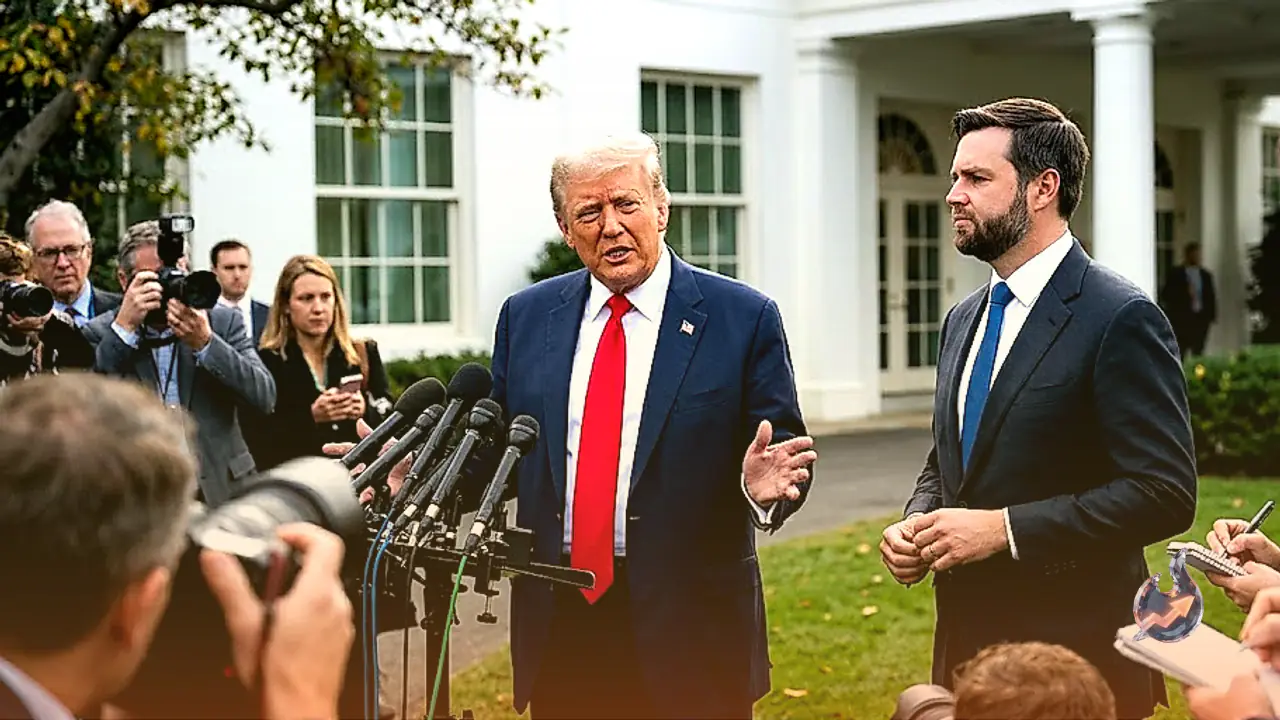






















US President Donald Trump has once again voiced deep disappointment over the lack of international recognition for his diplomatic interventions. Addressing a public rally in Florida, he asserted that he played a pivotal role in ending eight major wars, including a dangerous military showdown between India and Pakistan. Despite resolving what he described as catastrophic global crises, he expressed strong resentment that the prestigious Nobel Peace Prize continues to elude him.
Threat of Punitive Tariffs to Force a Ceasefire
Recounting his version of the South Asian crisis to the gathering, Donald Trump explained how he dealt with the two nuclear-armed neighbors. He claimed that he gave both nations an ultimatum, warning that continued fighting would immediately shut down their economic access to the United States. According to his remarks, he explicitly threatened to levy an extraordinary 250 percent tariff on their goods if they did not step back from active warfare.
Trump maintained that this severe financial threat produced swift results. Expressing his frustration over the lack of global accolades during his speech, Trump said, "I stopped eight wars. Did I get the Nobel Prize? No." Alongside this claim, he alleged that 11 aircraft were shot down during the intense skirmishes. In his assessment, it was solely the credible threat of economic isolation and massive tariff penalties that compelled both sides to halt combat operations.
India Rejects Claims of Foreign Intervention
Official authorities in India have consistently refuted Donald Trump's assertions regarding foreign pressure and third-party mediation. New Delhi also dismissed the claim that 11 military aircraft were destroyed during the clashes as completely baseless. Official accounts reiterate that the cessation of hostilities was purely an outcome of direct bilateral communication, free of any American or outside leverage.
The consensus to halt operations materialized only after the Director General of Military Operations, or DGMO, of Pakistan reached out directly to his Indian counterpart. Faced with mounting battlefield losses, the Pakistani military leadership requested an immediate stop to offensive strikes, which led to the mutual agreement on a ceasefire.
Escalation Triggered by the Pahalgam Attack
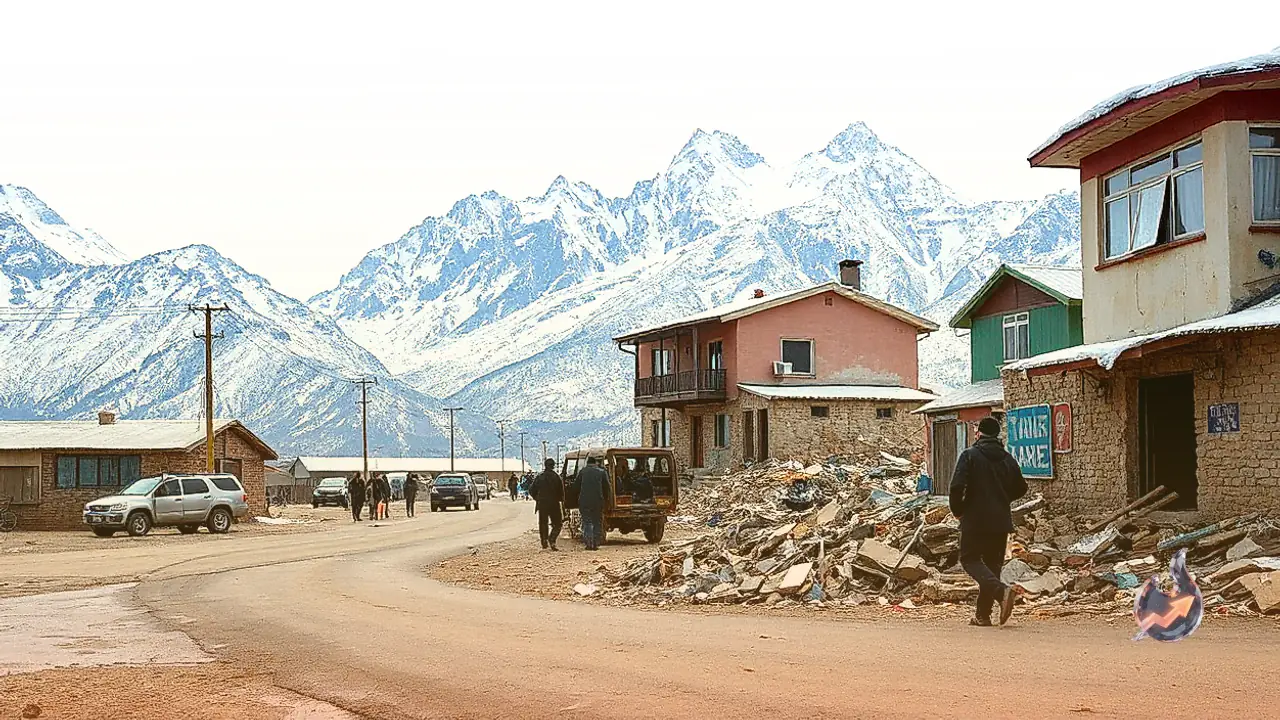
The armed confrontation trace back to April 2025, when a horrific terrorist assault struck tourists in Pahalgam, located in Jammu and Kashmir. Following that planned atrocity, India launched Operation Sindoor on May 7, 2025. This targeted counter-terror campaign was designed to dismantle terrorist infrastructure and training camps across Pakistan and Pakistan-occupied Jammu and Kashmir that had orchestrated the deadly strike of April 22.
The initial strikes by Indian forces wiped out critical launchpads harboring militants near the border. In retaliation, Pakistan attempted to launch counterstrikes aimed at Indian military installations as well as civilian locations. Those attempts were comprehensively repelled by India's layered air defense systems, preventing any substantial damage on the Indian side.
BrahMos Missile Strikes Led to Pakistan's Appeal
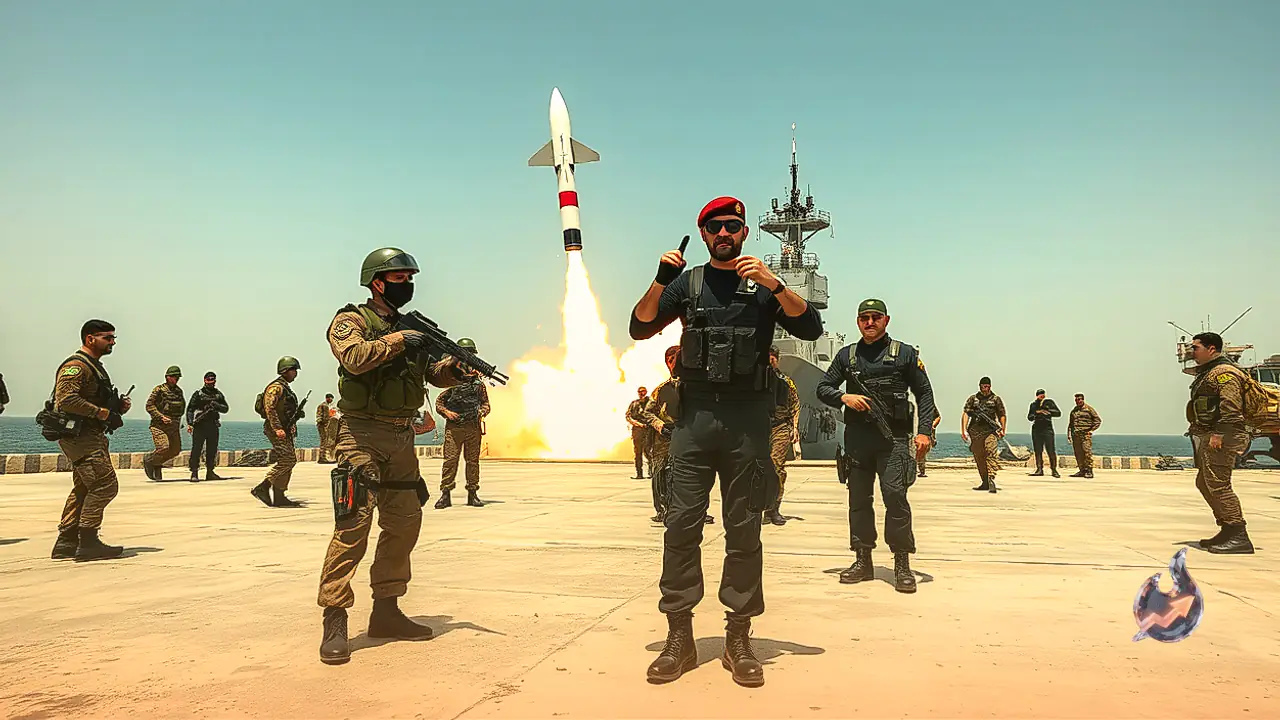
As Pakistan persisted with its hostile military manoeuvres, India unleashed a sweeping punitive response. Using precision BrahMos supersonic cruise missiles, Indian forces targeted and heavily damaged 11 key Pakistani military airbases. The massive destruction crippled operations across those strategic installations, triggering widespread panic within the adversary's command structure. Recognizing the mounting costs of escalation, Pakistan's DGMO initiated a phone call to the Indian DGMO, leading to the bilateral halt in military action.