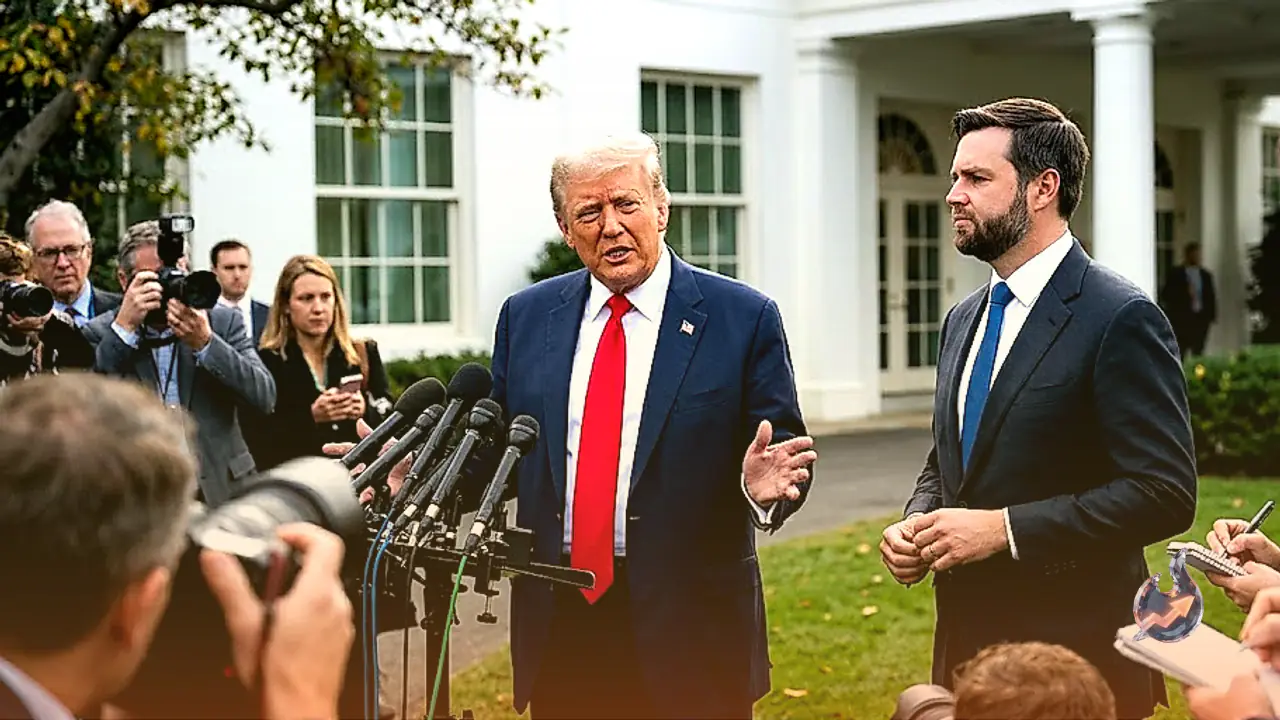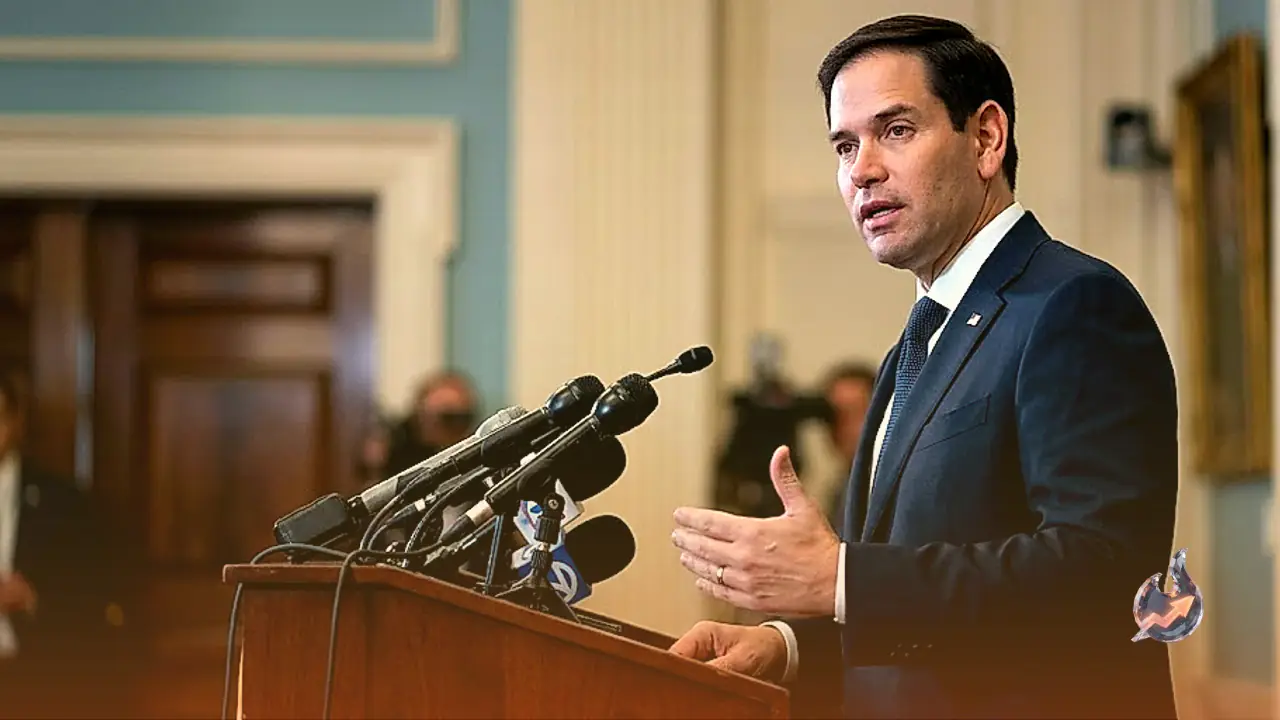























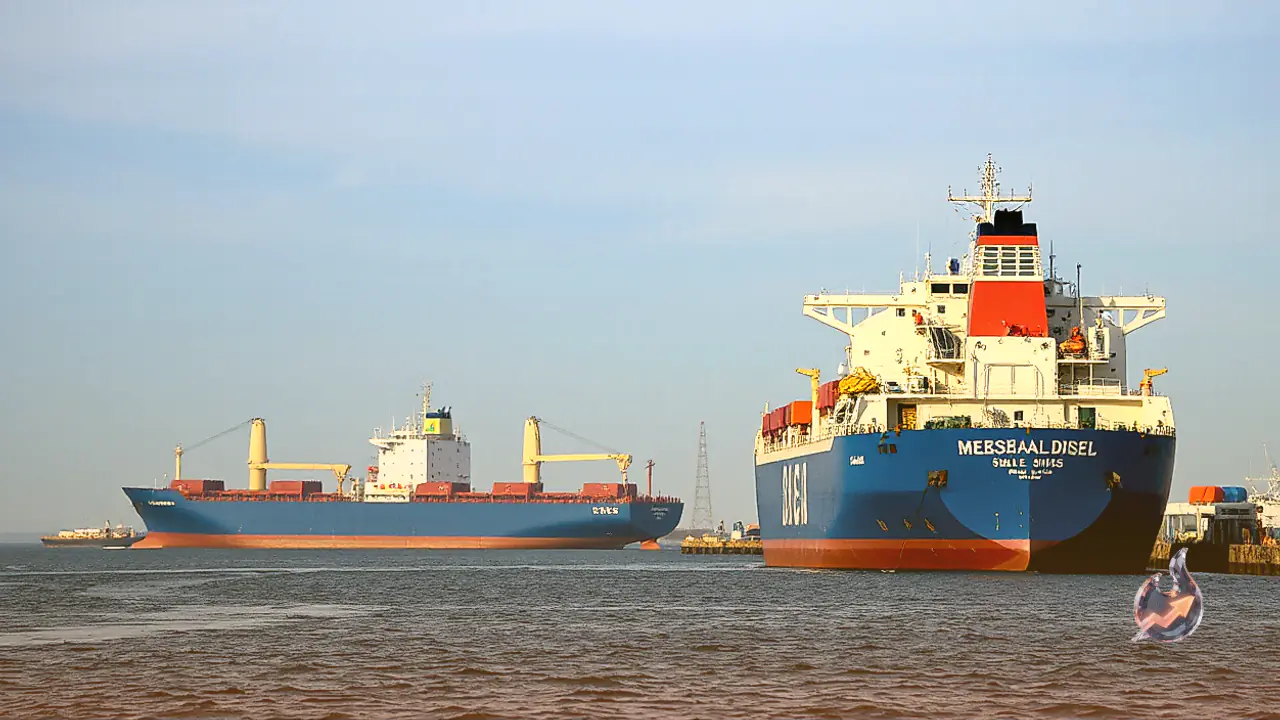

A breakthrough fuel transaction between Washington and Moscow has transitioned into active maritime logistics, marking the return of direct Russian petroleum shipments to the United States for the first time since 2023. Three marine tankers carrying an estimated 40,000 tonnes of refined diesel have departed Russian territorial waters and are charting courses across the Atlantic toward North America. The supply channel was arranged following direct telephone discussions between US President Donald Trump and Russian President Vladimir Putin, an arrangement aimed at softening persistent price pressures on domestic energy consumers inside the United States ahead of approaching midterm political contests.
Tanker Movements from Primorsk Across the Atlantic
Russian Deputy Prime Minister Alexander Novak verified the operational movement of the maritime convoy, noting that three commercial tankers laden with diesel fuel are underway toward North American destinations. The vessels originated from the Baltic export facility at the port of Primorsk. Tracking figures from maritime vessel monitoring system Kpler revealed that at least one of these tankers had signaled New York as its scheduled destination port, with an anticipated arrival date around November 7.
The logistics and structural coordination of this energy pipeline involve direct participation from the Russian Direct Investment Fund. Deputy Prime Minister Alexander Novak outlined that the three vessels collectively transport roughly 40,000 tonnes of diesel fuel, a volume translating to approximately 300,000 barrels. When placed against the broader scale of the American fuel ecosystem, where average domestic consumption hovers near 4 million barrels of diesel per day, this initial shipment represents around 7 percent of the daily diesel requirement of the United States.
Sustained Supply Commitments from the Kremlin
Kremlin spokesperson Dmitry Peskov confirmed the departure of the maiden vessel in the delivery schedule, underscoring that the first transport is already moving toward buyers and that routine deliveries are slated to proceed. In his earlier announcement of the bilateral framework, Donald Trump indicated that Russia would furnish an initial tranche exceeding 300,000 tonnes of diesel. That opening dispatch was intended to precede another 500,000 tonnes scheduled during November, supplemented by an additional 1 million tonnes on an immediate operational basis. Alexander Novak had similarly pointed out that commercial Russian energy suppliers possessed the logistical readiness to provide up to 500,000 metric tonnes of diesel to the United States throughout October.
The white-hot domestic sensitivity surrounding retail pump figures has turned fuel costs into a central issue for the administration. High diesel costs filter directly into commercial freight, agriculture, and broader consumer inflation. By tapping Russian refining output, policymakers intend to build a temporary volume cushion that moderates wholesale prices along the eastern seaboard.
Geopolitical Pushback and Bipartisan US Friction
The realization of an energy pact involving Russian fuel has ignited immediate friction across global capitals and within domestic legislative chambers. Ukrainian President Volodymyr Zelenskyy openly condemned the arrangement, describing it as a fragile and ill-advised step taken by strong historical partners. The administration in Kyiv continues to argue that providing financial liquidity to Russian state energy entities undercuts diplomatic and economic measures aimed at curtailing hostilities.
Inside the United States, pushback has emerged from both Republican and Democratic lawmakers alike. Opponents across party lines have questioned the consistency of the trade policy, with some critics suggesting that the rapid normalization of energy receipts cuts against the spirit of established federal legislation. The development marks a stark reversal from the previous trajectory pursued by the administration, which had focused on tightening economic strictures against nations purchasing Russian hydrocarbons. Earlier legislative frameworks had contemplated imposing tariffs as steep as 100 percent on the top five purchasing nations of Russian crude and refined products, though those enforcement actions were subsequently suspended.
The timing of these diesel arrivals also coincides with strained relations between Donald Trump and Volodymyr Zelenskyy. Trump has previously voiced public irritation with the Ukrainian leadership, asserting that Zelenskyy lacked genuine motivation to conclude an expeditious negotiated peace with Moscow.
Freeze on Punitive Tariffs Benefits Global Buyers
Following the public disclosure of the diesel delivery channel, Donald Trump implemented an administrative stay on enforcement mechanisms contained in sanctions legislation associated with Lindsey O. Graham. That measure, previously approved by the US House of Representatives, was designed to apply severe secondary tariffs of up to 100 percent on five major consumer countries, including India, that continued buying crude oil and natural gas from Russian suppliers.
By invoking broader national economic priorities, the Trump administration placed the implementation of these punitive measures on hold until further notice. Had the enforcement taken effect, trading links between Moscow and its key international energy partners would have faced severe operational disruptions. The administrative pause provides critical breathing room for global energy supply chains, ensuring that secondary trade restrictions do not further disturb refined product markets worldwide.