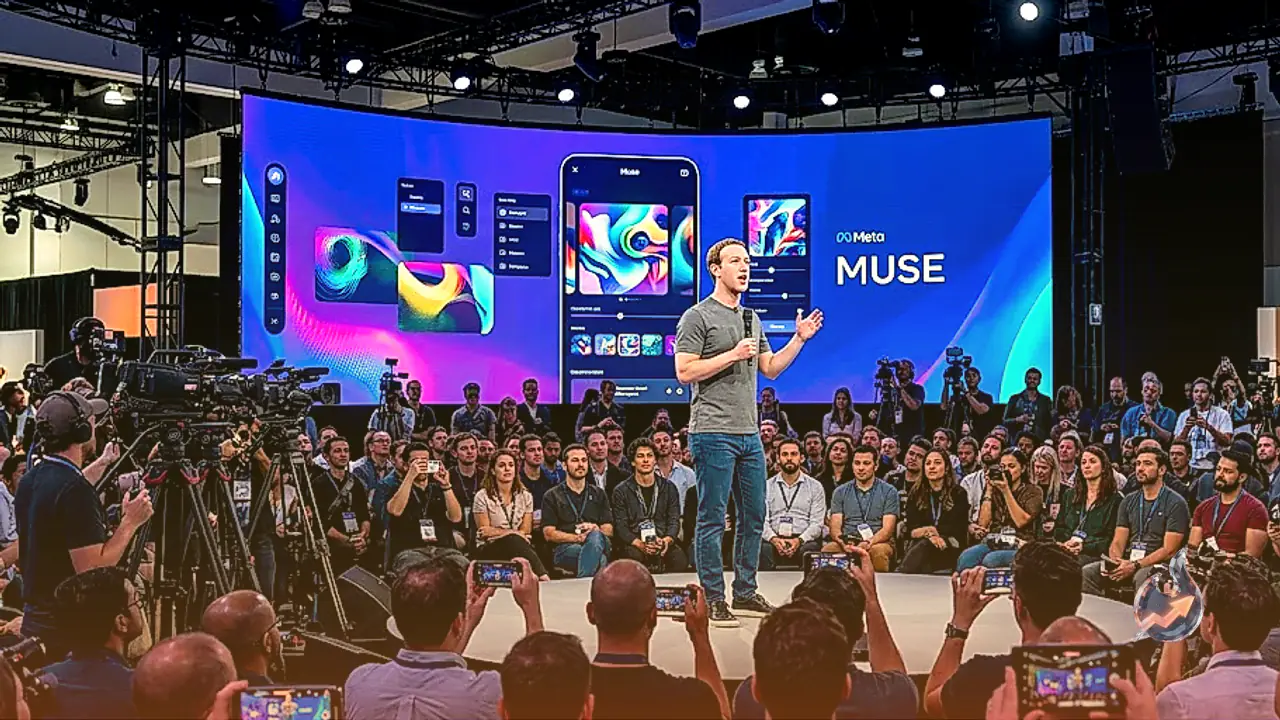























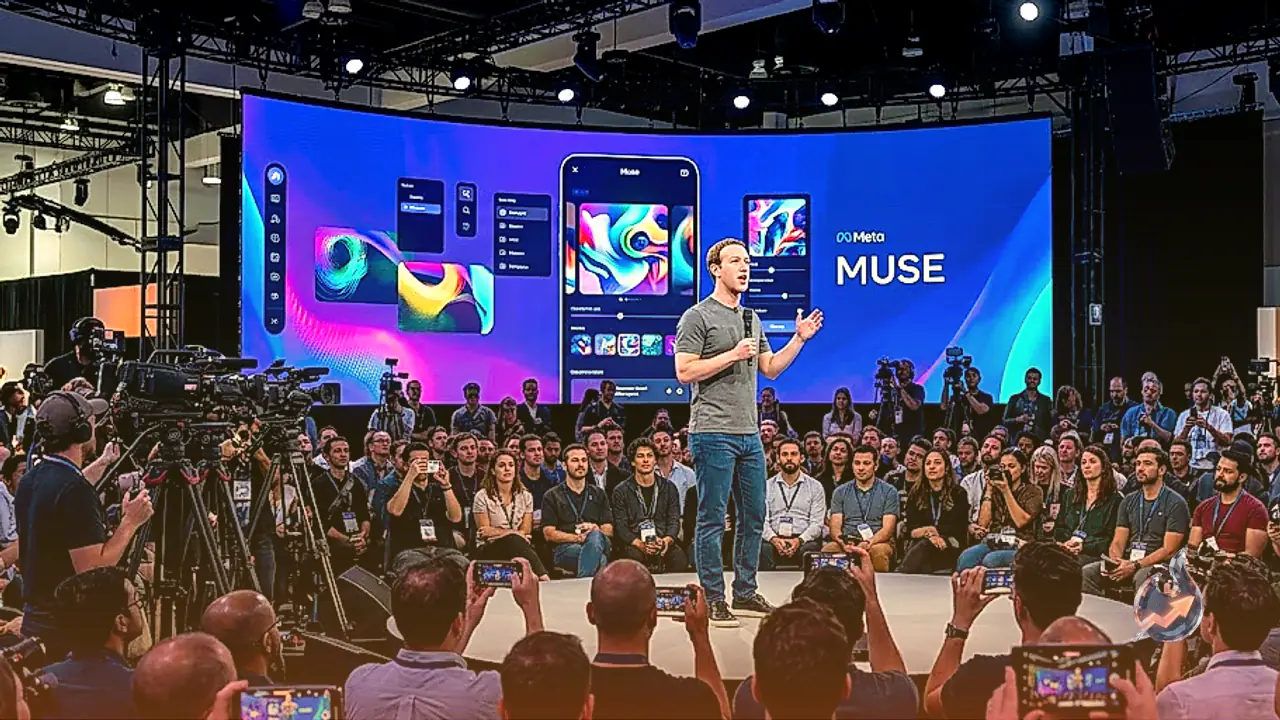

Artificial intelligence app Muse is experiencing a massive wave of momentum, fueled heavily by strong promotional backing from Meta during its annual Meta Connect developer conference alongside glowing early reviews praising its polished design and powerful AI model.
Rapid Growth in Download Milestones
At the start of the week following its September 8 rollout, the application had already crossed 2.5 million downloads. According to the latest estimates provided by market intelligence firm Sensor Tower, the app has now accumulated more than 3.4 million downloads overall. However, these installation figures are current only up to Thursday estimates, which occasionally lag behind actual real-world adoption patterns.
This means the current metrics do not yet capture the full magnitude of the major push the platform received during the Meta Connect event. During the gathering, the social media giant announced an extensive lineup of upcoming features for the new AI tool, including video chat capabilities with the avatar, native computer use support on Mac computers, a dedicated email address, expanded partner integrations, and future plans for smart glasses connectivity.
Diverging Estimates Across Tracking Firms
Data compiled by other market intelligence firms reflects similarly robust momentum, though their specific tallies vary notably. For instance, Apptopia estimates the total download count to date at roughly 4.3 million. The application is currently accessible exclusively within the United States and Canada, with the firm estimating that 2.6 million of those installations occurred on iOS devices alone.
Meanwhile, alternative tracking firm Appfigures places total installations at approximately 2.3 million as of Thursday, divided almost evenly between iOS and Android ecosystems. Furthermore, Sensor Tower tracked a 27% spike in daily active users for the application on Wednesday immediately following the conclusion of the developer conference.
Strong Early Traction Before the Conference
Even prior to the corporate showcase, the application was already maintaining a formidable trajectory. Sensor Tower noted that the software reached an estimated 2.8 million downloads during its first two weeks inside digital storefronts. Between September 8 and September 17, the tool maintained an average day-over-day download growth rate of 55%. By comparison, ChatGPT averaged 24% day-over-day growth during its initial ten days on the market, while metrics for Claude and Grok experienced declines during their respective introductory phases.
On Friday, September 18, the software climbed to the number one position on the U.S. App Store and has successfully maintained that ranking ever since. It subsequently captured the top spot on the Google Play Store on September 19 and retains leadership there as well.
Marketing Strategy and Cross-Platform Promotion
While a significant portion of the growth has been driven organically, the software is also benefiting from the identical cross-platform marketing strategy that helped propel Meta's social application Instagram Threads past 500 million monthly active users by marketing directly to existing Facebook and Instagram audiences.
However, as Connor Hayes recently explained to Business Insider, the promotional approach differs from Threads. While Threads relies on user-generated content that matches user interests, marketing an AI agent requires showcasing concrete utility based on what the system can actively accomplish for the user.
Advertising Spend and Corporate Footprint
Data indicates that house advertisements promoting the application began rolling out on September 9, just one day after launch. Within a span of ten days, the software secured the majority of promotional inventory across core properties, surpassing advertising space allocated to Facebook, Instagram, and WhatsApp. Promotional campaigns were also extended to external mobile ad networks and social channels including Reddit, TikTok, and YouTube.
By Tuesday, September 22, the brand ranked among the top ten spenders in digital advertising. Nevertheless, this growth cannot be attributed solely to corporate marketing, as dedicated advertisements accounted for only 6% of overall ad impressions from launch through September 19.