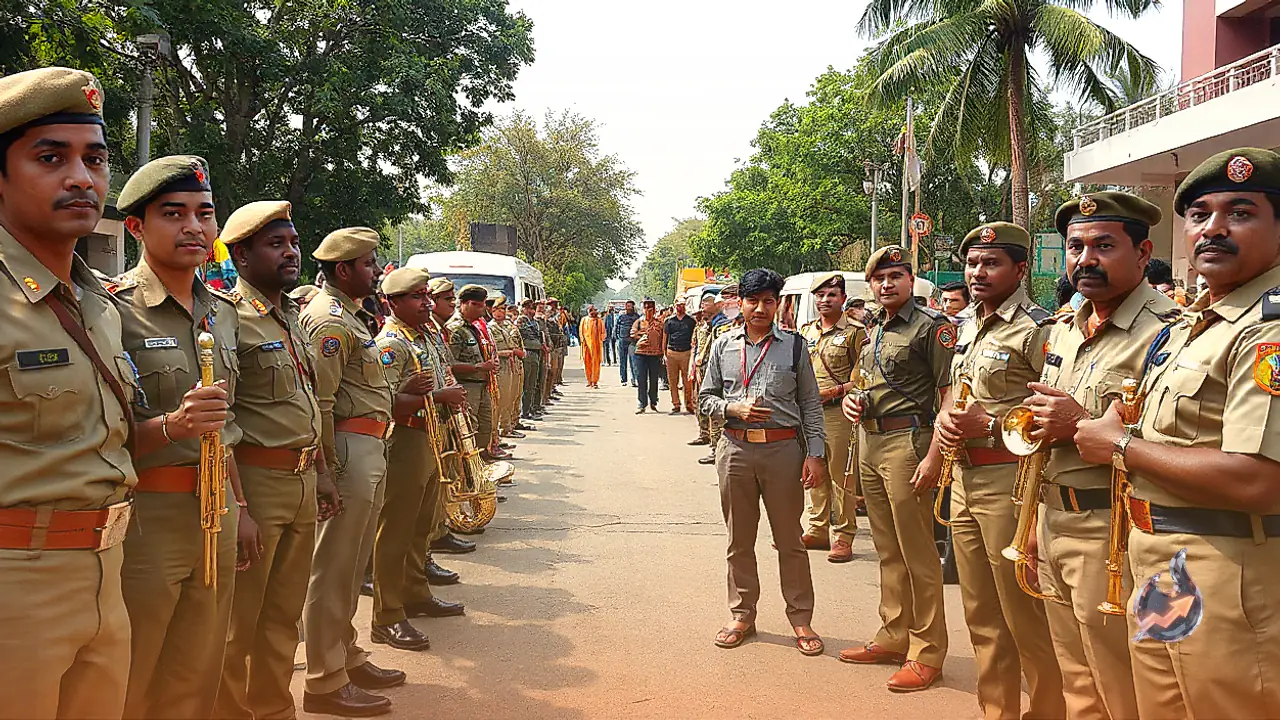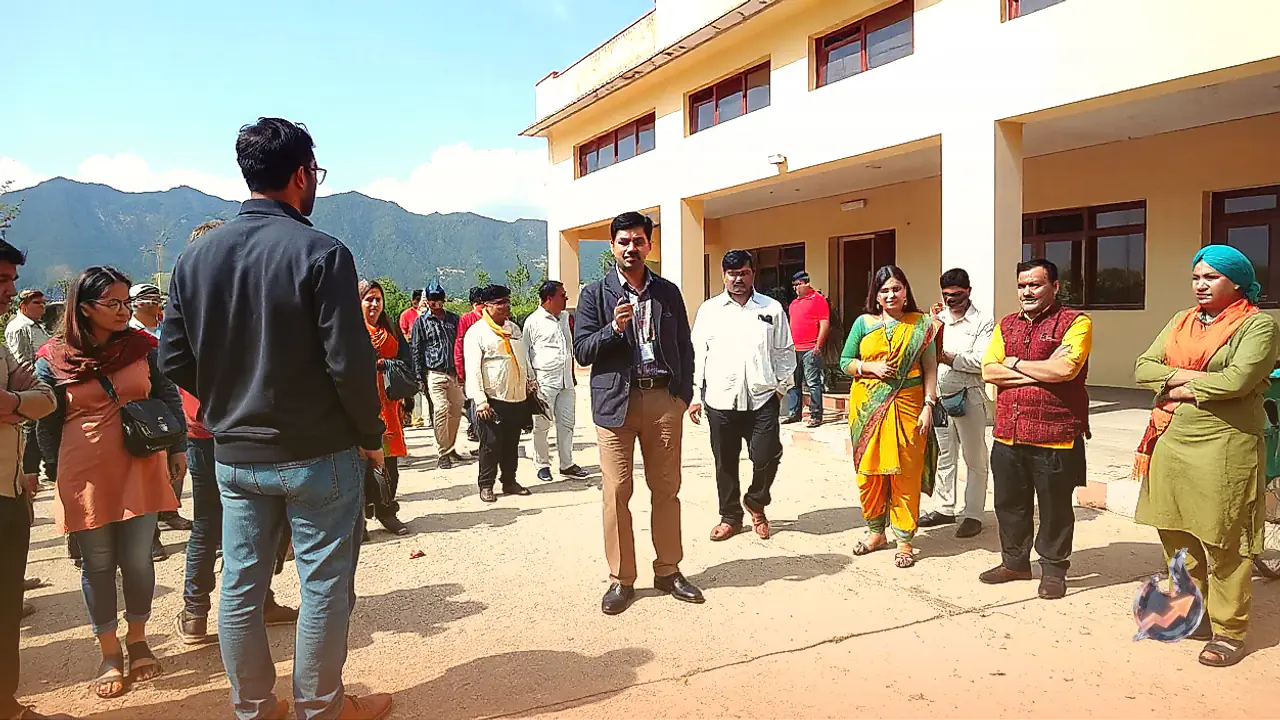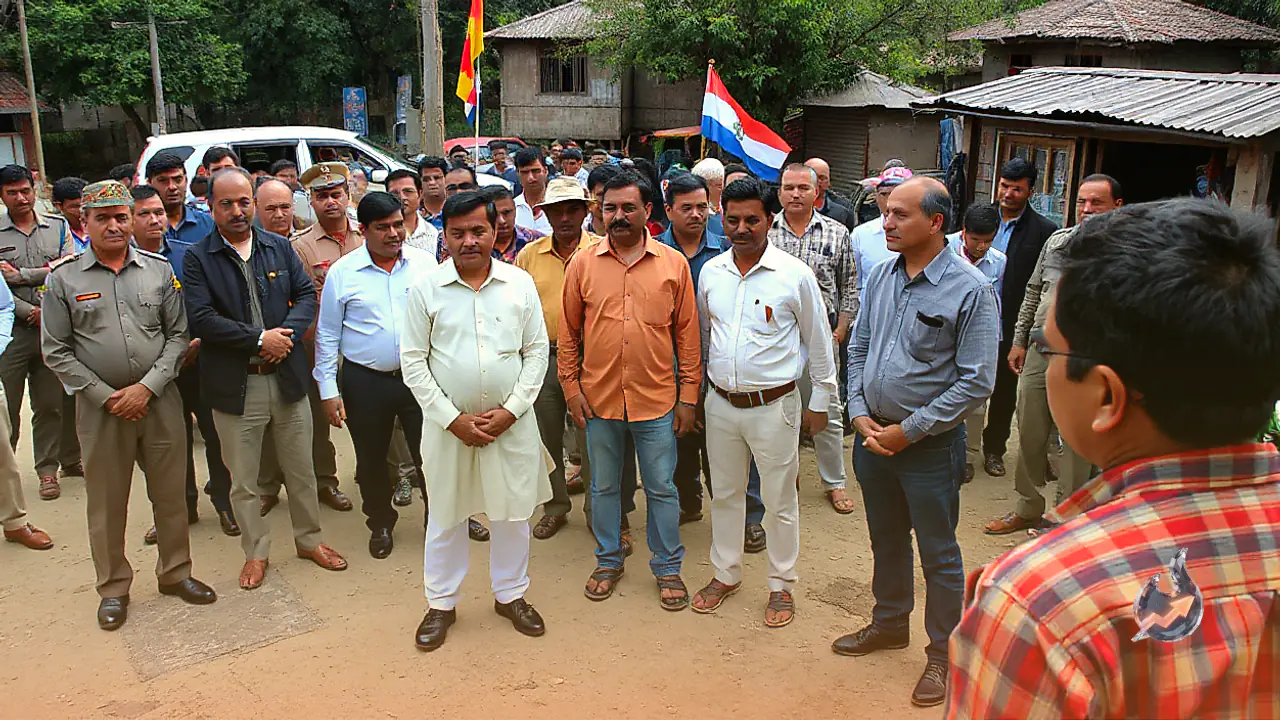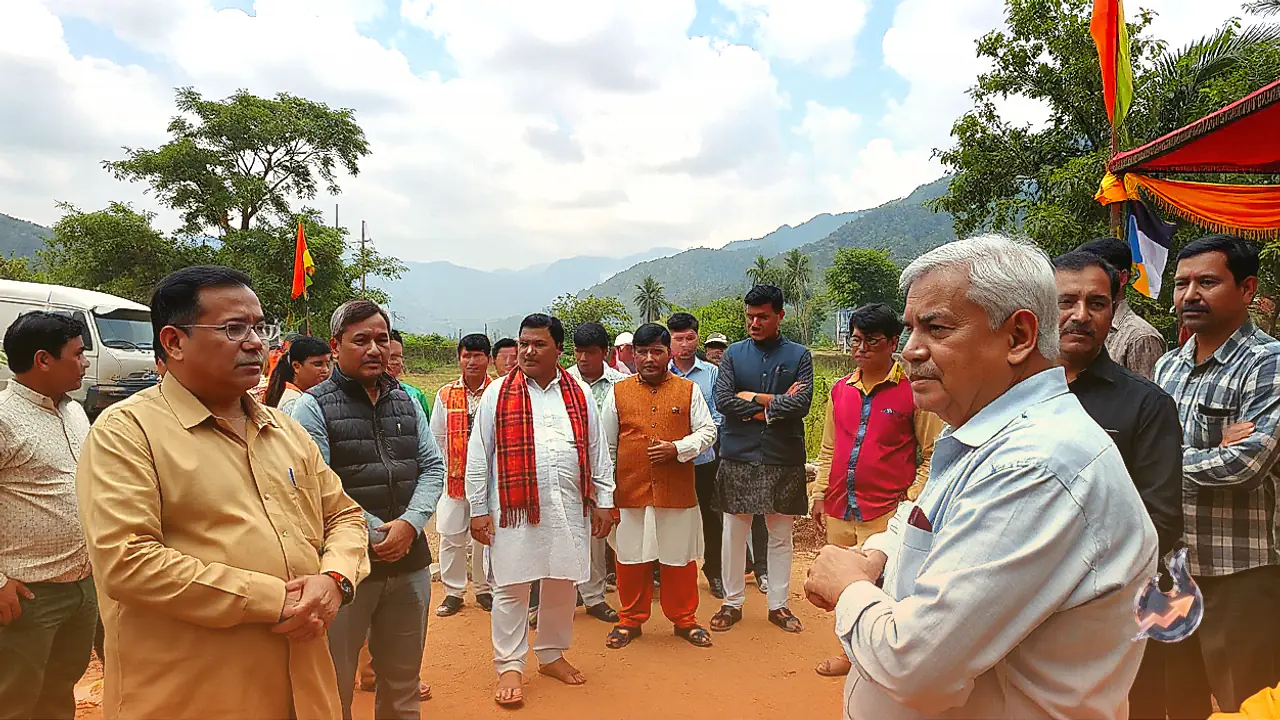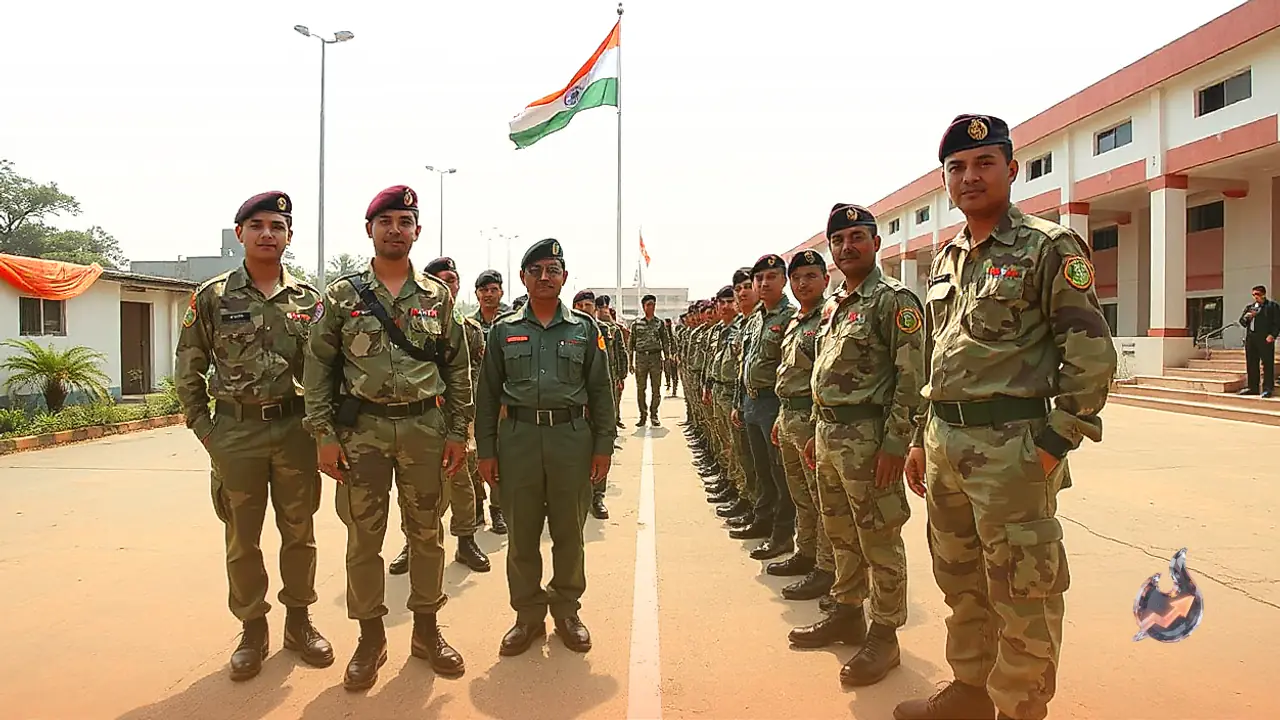

Union Home and Cooperation Minister Amit Shah inaugurated the newly constructed campus of the 12th Battalion of the National Disaster Response Force in Itanagar. This strategic facility is designed to deliver rapid disaster relief not just within Arunachal Pradesh but across the entire northeastern region of India. Furthermore, the modern campus will serve as a specialized training hub for personnel belonging to the State Disaster Response Forces of all eight northeastern states, significantly upgrading regional preparedness against natural calamities.
A Comprehensive Vision for Future Security
Addressing the inauguration gathering, Union Home Minister Amit Shah stated that the NDRF will soon rank among the finest disaster response agencies in the global arena. To achieve this objective, the government has expanded its strategy beyond post-disaster rescue operations. Authorities have aggressively advanced towards implementing early warning systems, preventive measures, risk mitigation, advanced preparedness, and a strict zero-casualty approach. He reiterated that the central government will extend all possible support to maintain round-the-clock disaster relief operations across the Northeast.
Minimizing Losses Through Advanced Technology
Highlighting the integration of science and modern technology, Amit Shah noted that authorities now receive early warnings for cyclones up to seven days in advance. This advanced notification window allows rescue personnel to evacuate citizens from vulnerable zones promptly and prevents catastrophic loss of life and property. As soon as the early warning systems trigger alerts, NDRF and SDRF personnel mobilize instantly to assist those in need. Several severe cyclones in recent years resulted in zero fatalities, which stands as direct evidence of the administration's advanced planning and operational efficiency.
The force has completed more than eleven thousand rescue and relief missions to date, successfully saving upwards of 161,000 lives. Between the years 2014 and 2026, coordinated efforts by the NDRF, SDRF, and various state machineries have saved countless lives. The current administration has successfully integrated the National Disaster Management Authority, central forces, and state institutions into a robust disaster management apparatus.
Expanding Global Footprint and Capacity Building
Beyond national borders, the NDRF has built a strong international reputation by conducting critical relief operations in nations such as Japan, Nepal, Turkey, and Sri Lanka. These overseas missions have continuously elevated India's standing in global humanitarian assistance. Additionally, the year 2026 has been designated as the Year of Capacity Building, focusing heavily on upgrading disaster response competencies across all levels.
Massive Reforestation Milestones Achieved
Alongside emergency response enhancements, the Home Ministry successfully completed its ambitious target of planting and nurturing over eight million trees between 2019 and 2026. The new 12th Battalion NDRF establishment in Itanagar represents a monumental stride in fortifying the Northeast against natural disasters, ensuring that all eight states remain equipped with highly trained and well-prepared response units.