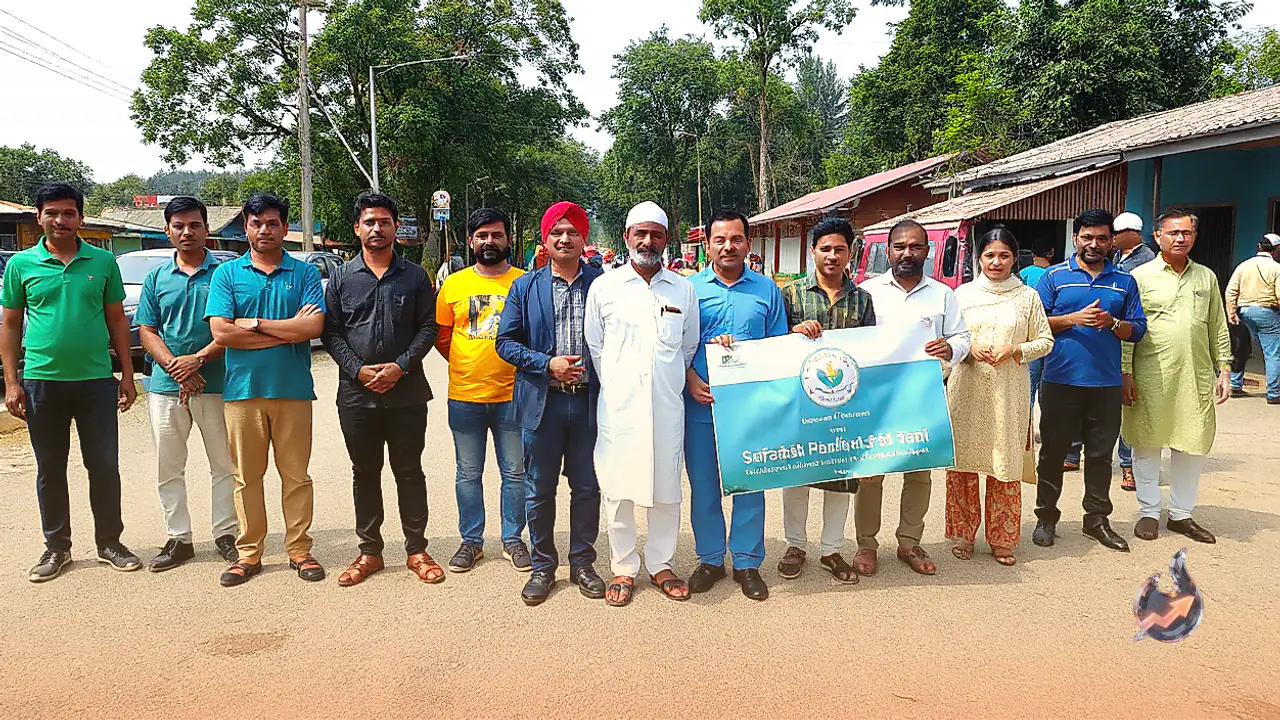
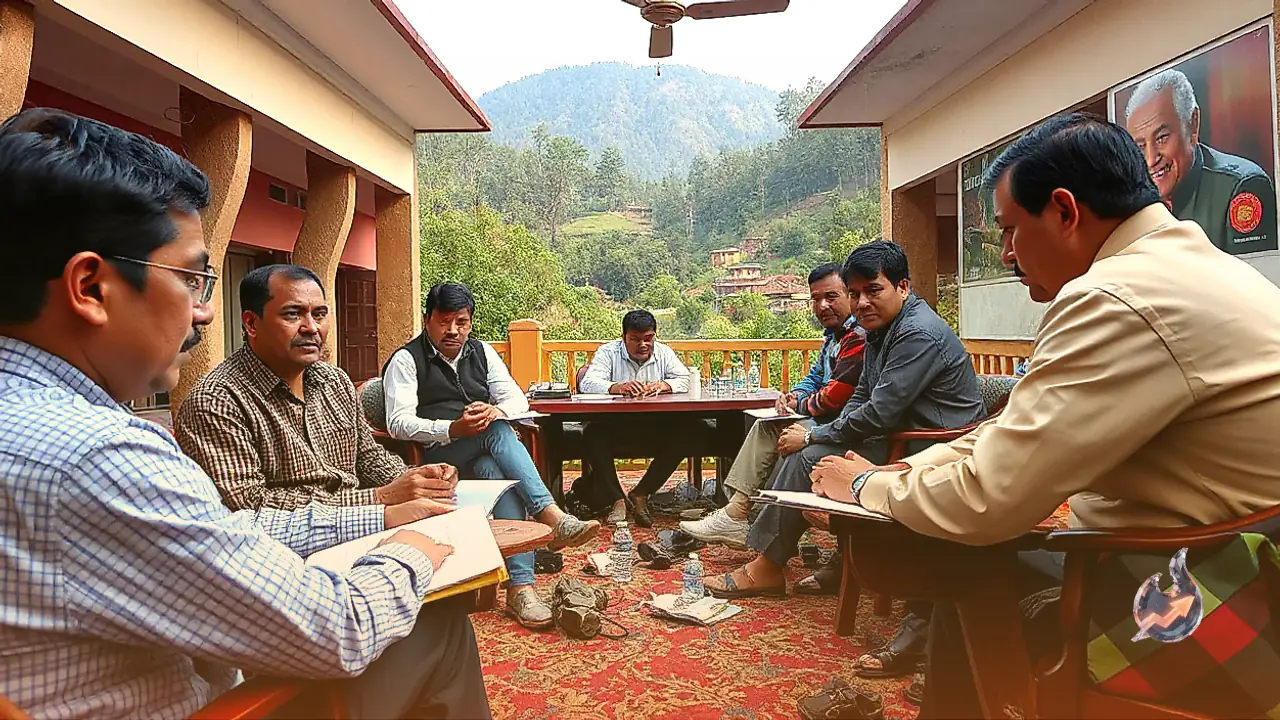

















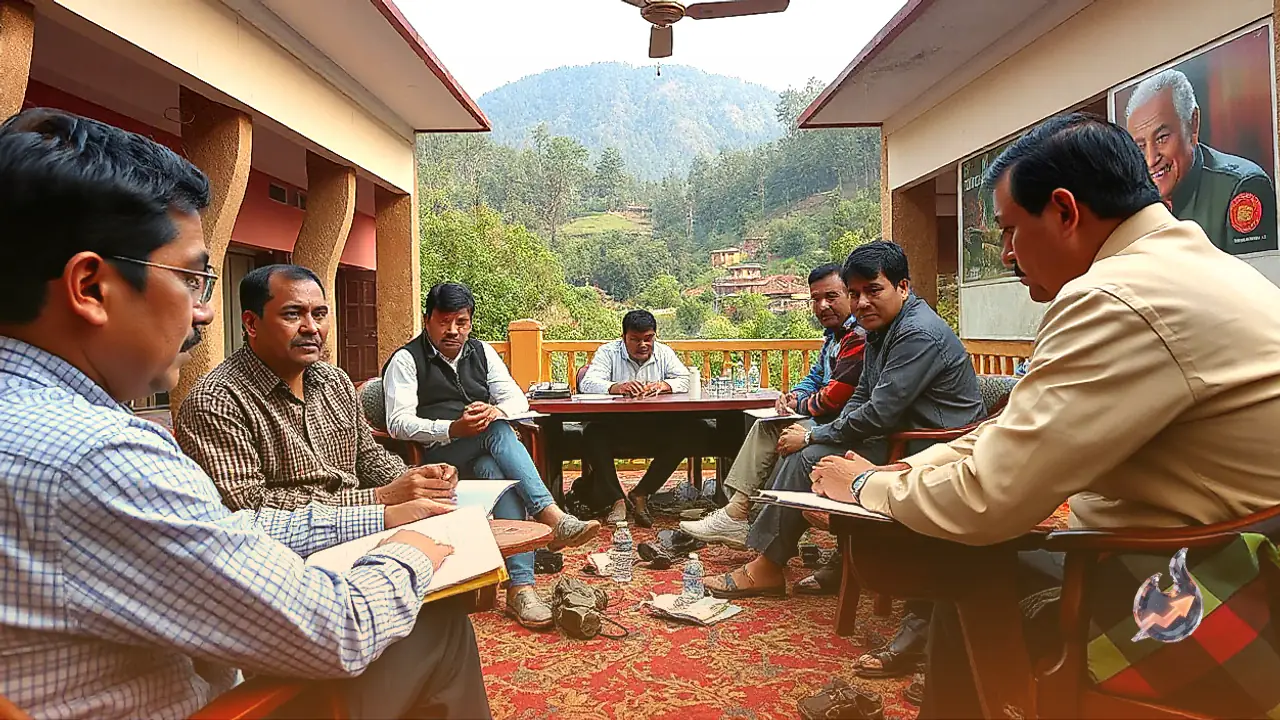

Arunachal Pradesh Chief Minister Pema Khandu has announced that the state’s long-delayed Working Journalists Pension Scheme will be placed before the Cabinet during its upcoming meeting on December 9. Addressing media representatives on National Press Day, Khandu indicated that the state government aims to finalize and implement the welfare measure within the current month.
Pension Scheme Progress and Consultations
Acknowledging the delays surrounding the initiative, which was initially announced in 2019, Chief Minister Khandu confirmed that the proposal has now reached its final stages. The decision to bring the matter to the Cabinet follows extensive discussions between state officials and the Arunachal Press Club.
Khandu had previously held a review meeting with Press Club representatives on November 6 to address lingering technicalities. Emphasizing the significance of media in governance, Khandu noted in a post on X that an independent press remains essential to a functioning democracy by holding institutions accountable without fear or favor.
Contractual Disputes and Repair Strategy for NH-415
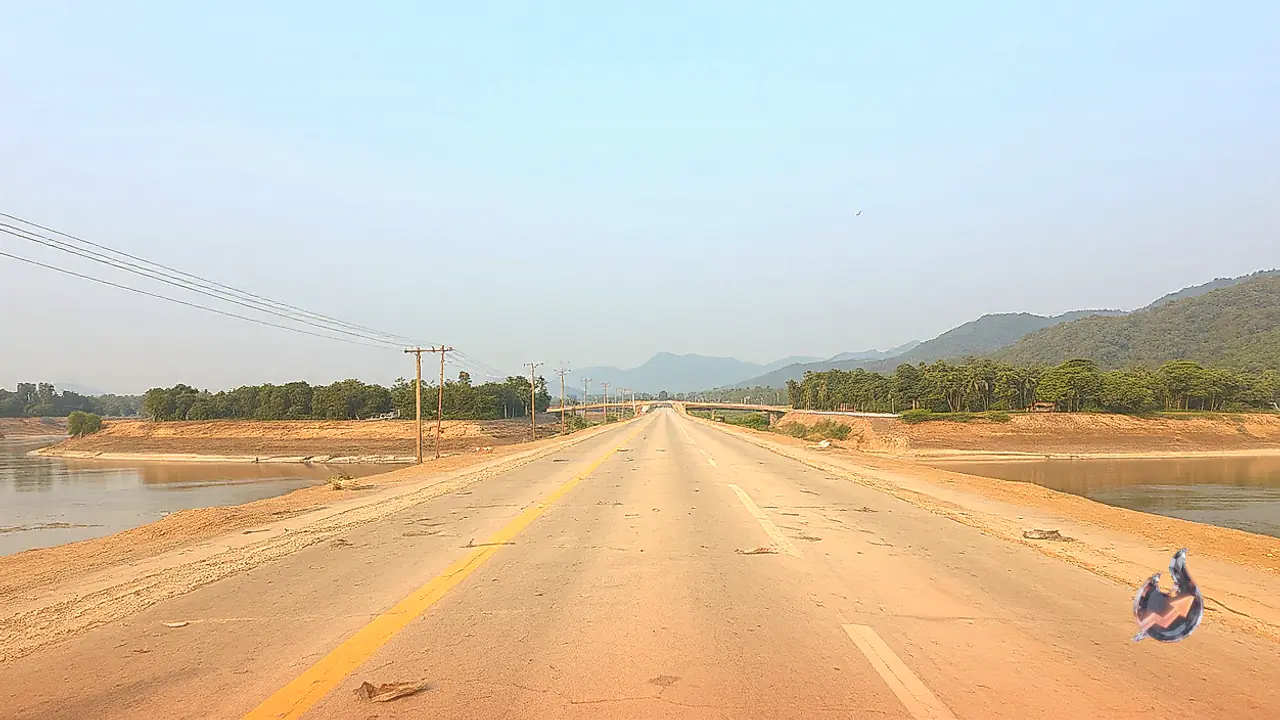
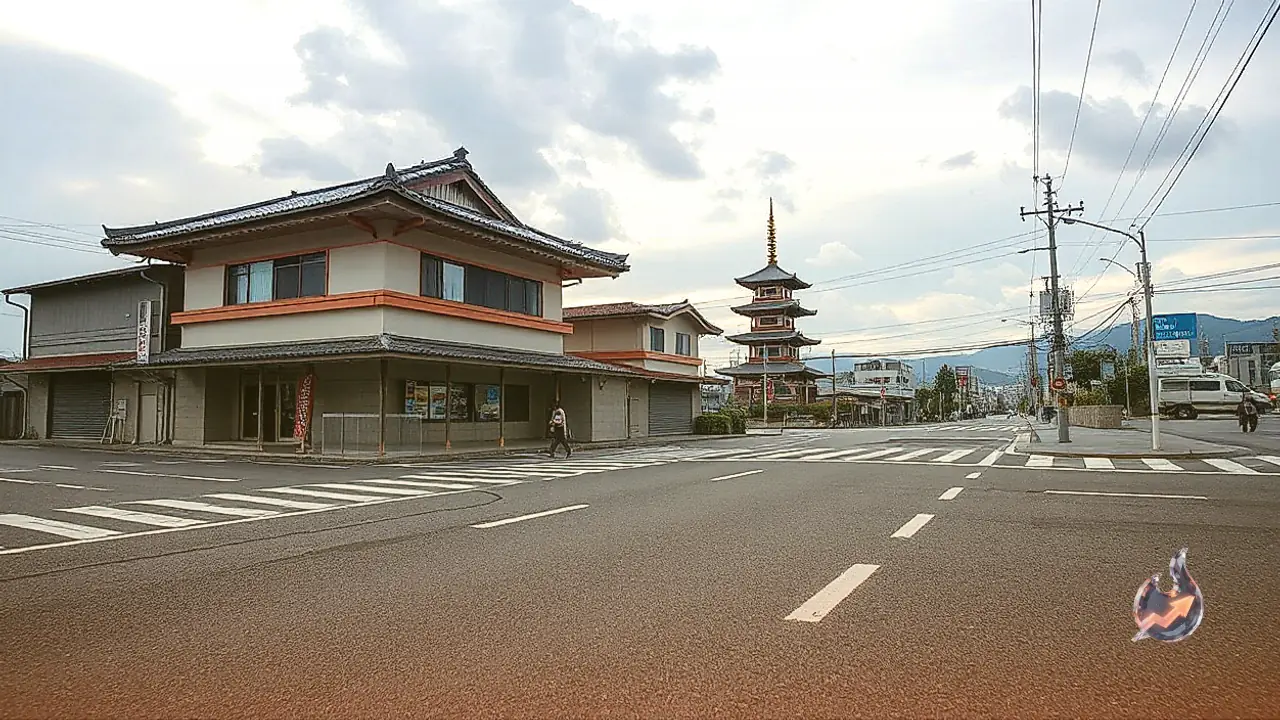
Addressing state transit infrastructure, the Chief Minister detailed the ongoing work on National Highway-415, which connects the towns of Naharlagun, Nirjuli, and Banderdewa. He attributed construction delays to inter-agency coordination problems and contractual disagreements.
While Package C of the project stands completed, other sections encountered legal bottlenecks. The state government had recommended terminating the contractor's agreement, but the matter subsequently escalated to the High Court. Khandu stated that pending litigation should not compromise public safety or transit quality along the crucial economic corridor. Consequently, the state government will undertake intermediate maintenance and patch-up operations. The Chief Minister recently conducted an unannounced inspection of the highway, ordering officials to carry out immediate repairs.
Topographical Hurdles and Federal Assistance
Elaborating on broader infrastructure execution in the region, Khandu pointed out that Arunachal Pradesh's expansive area and rugged terrain pose distinct engineering and logistics challenges compared to neighboring northeastern states.
He observed that while internal revenue collection and economic resilience have expanded over the past decade, major capital projects continue to depend heavily on funding support from the central government, for which he expressed appreciation.
High-Powered Panels and Article 371-H Review
The state administration has constituted multiple high-powered committees to examine administrative and constitutional mechanisms aimed at safeguarding indigenous community interests. Comprising cabinet ministers, civil servants, and civil society leaders, these panels are conducting consultations before finalizing recommendations.
Regarding Article 371-H, introduced via the Constitution (55th Amendment) Act in 1986, Khandu noted that questions surrounding its provisions are being examined within proper legal frameworks. The clause grants the Governor special responsibilities concerning law and order after consulting the Council of Ministers. Reflecting on the state's transition from the North-East Frontier Agency to a Union Territory in 1972 and full statehood in 1987, Khandu added that administrative proposals submitted by the state are currently under active evaluation by the Union Ministry of Home Affairs.