





















Arunachal Pradesh is actively evaluating the potential of geothermal energy to deliver clean, locally generated electricity to its most remote and strategically vital border outposts. State Science and Technology Minister Dasanglu Pul indicated that harnessing natural subterranean heat could provide a dependable power source for high-altitude frontier areas.
Learning from High-Altitude Operations in Ladakh
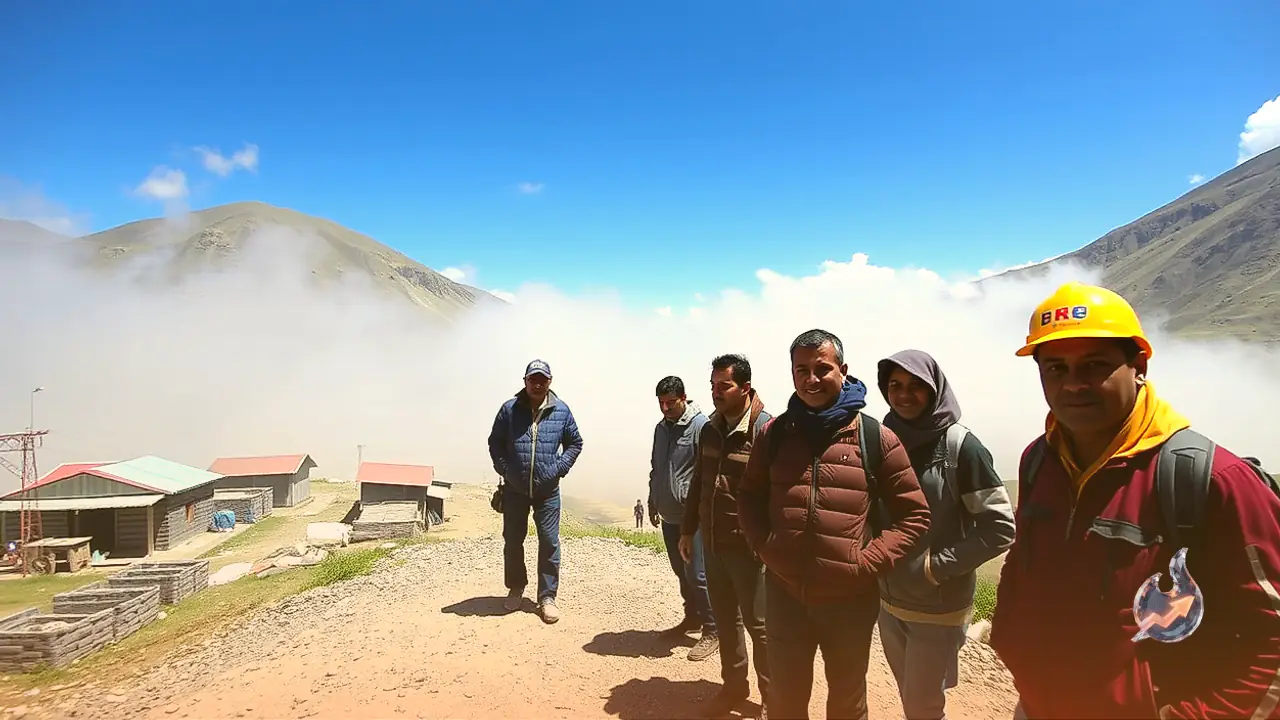
To understand the practical and technical requirements of harnessing subterranean steam, a specialized delegation visited the ONGC Geothermal Project located in Ladakh's Puga Valley. Led by Dasanglu Pul alongside Tana Tage, Director of the Centre for Earth Sciences and Himalayan Studies (CESHS), and senior departmental geologists, the team inspected exploration techniques, deep drilling practices, and power generation systems operating in demanding Himalayan conditions. The operational data and technical findings gathered during this field trip will directly shape Arunachal Pradesh's geothermal development blueprint. Pul also expressed appreciation to ONGC and its execution partner SEROS for providing comprehensive technical guidance.
Evaluating 10-15 MW Potential in Tawang District
A primary focus of the exploration plan is the Mago-Thingbu belt situated in Tawang district, where experts estimate a potential geothermal power capacity of around 10 to 15 MW. Arunachal Pradesh has systematically researched its geothermal reservoirs over several years. In March 2024, CESHS collaborated with the Norwegian Geotechnical Institute and Iceland-based firm Geotropy to carry out geological structural mapping and detailed field assessments across hot-spring zones in Mago, Thingbu, and adjoining belts.
Multi-Purpose Applications Beyond Electricity
The state's scientific investigations go beyond mere electricity grid support. Researchers are assessing how geothermal heat can provide direct space heating, cooling solutions, and drying mechanisms for local agricultural produce suited to mountain living conditions. Joint pre-feasibility assessments conducted by CESHS and Oil India Limited have covered both surface and subsurface evaluations across Damteng, Mago, Thingbu, and Tsechu. Furthermore, extensive geochemical sampling has been completed at five specific geothermal hubs in Tawang: Damteng, Grengkhar, Mago, Thingbu, and Tsechu.
“Arunachal Pradesh is blessed with immense natural resources, and our endeavour is to harness this potential responsibly for a sustainable future.”
Pul emphasized that hands-on insights from the Puga installation will accelerate Arunachal Pradesh's roadmap to develop green, resilient energy infrastructure across isolated frontier communities.