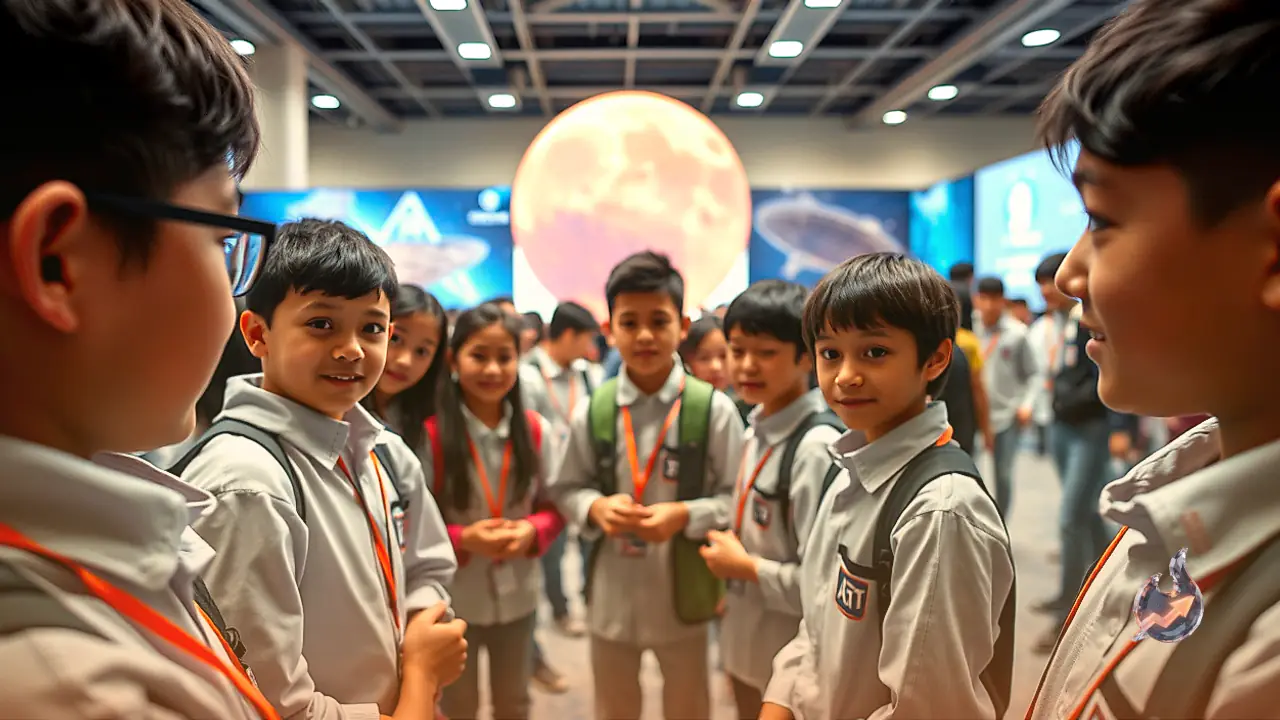
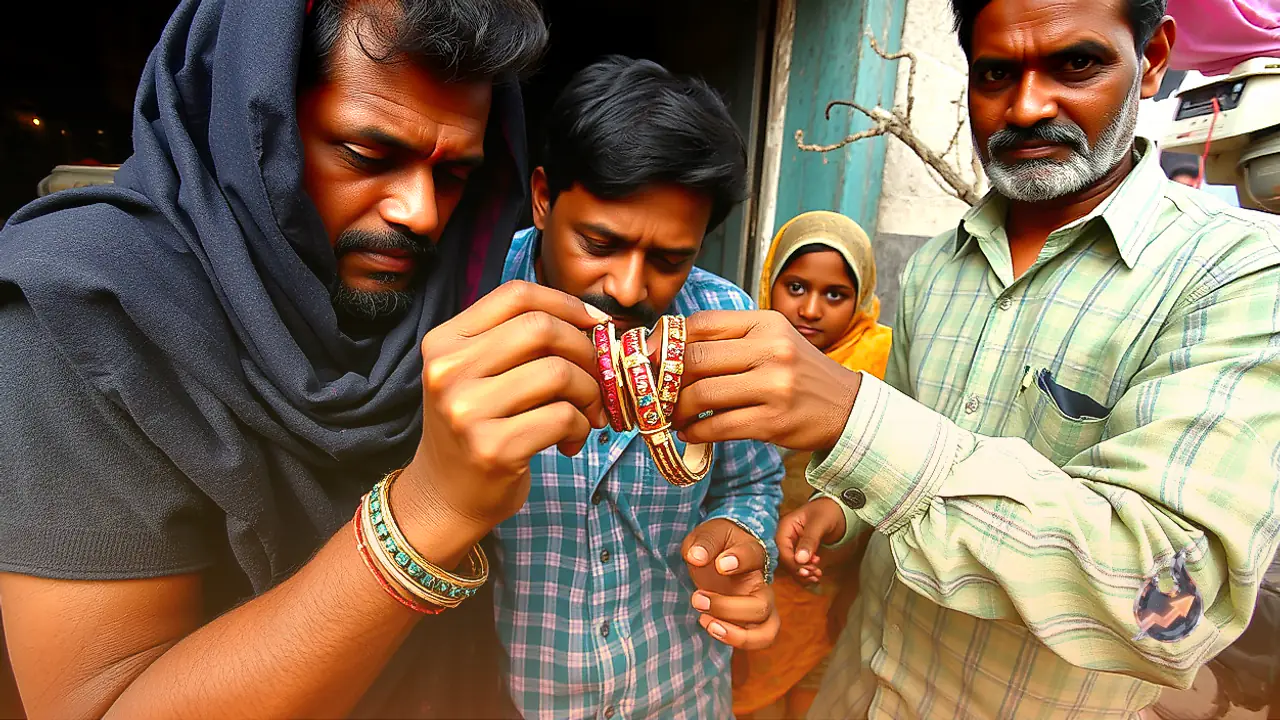
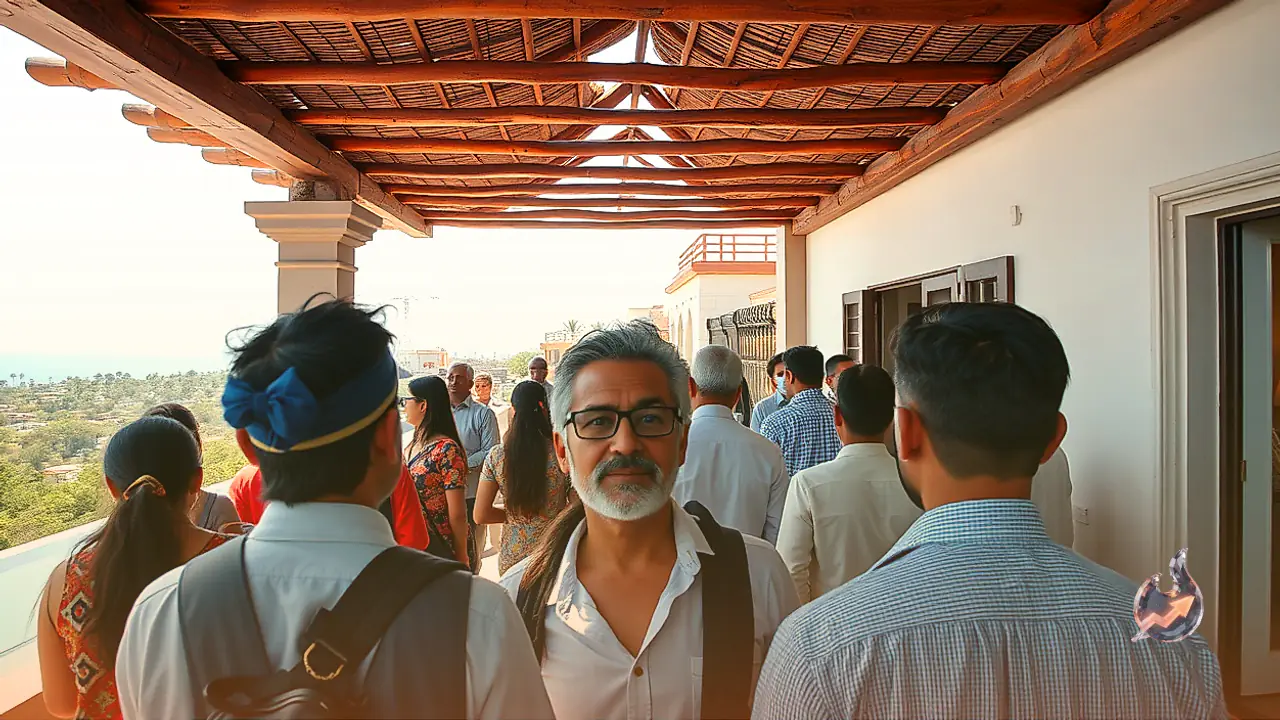
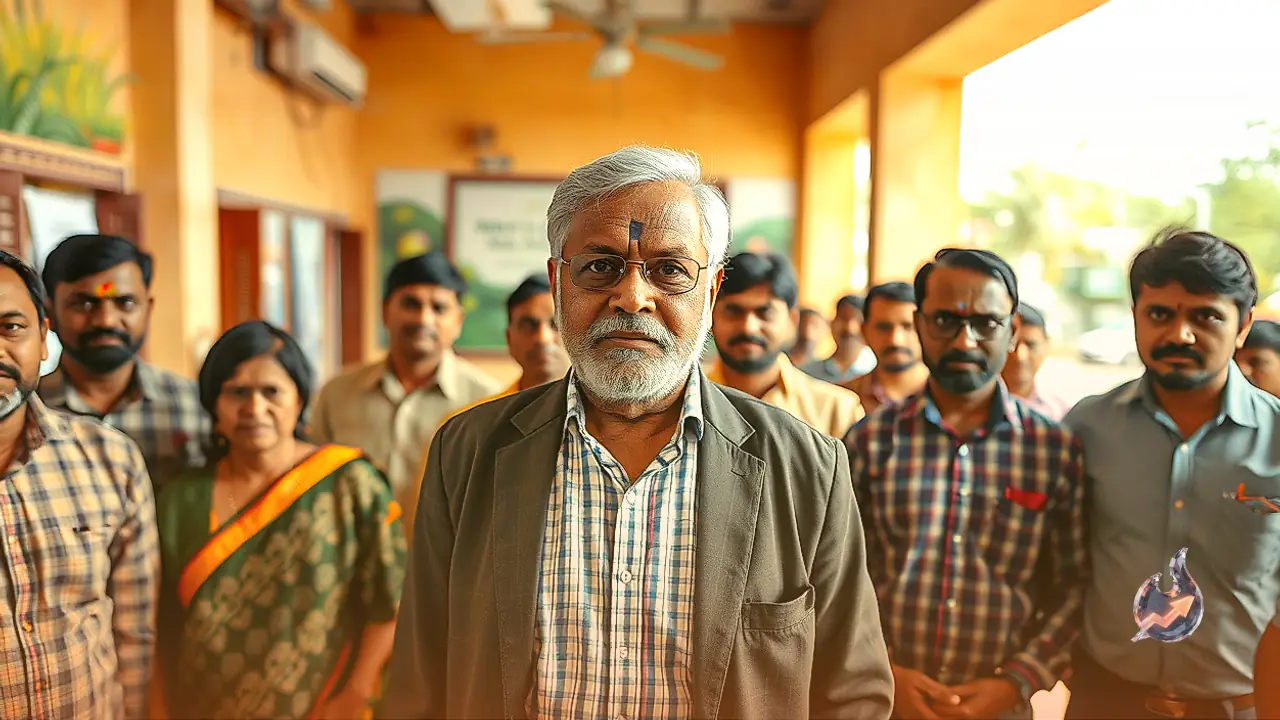
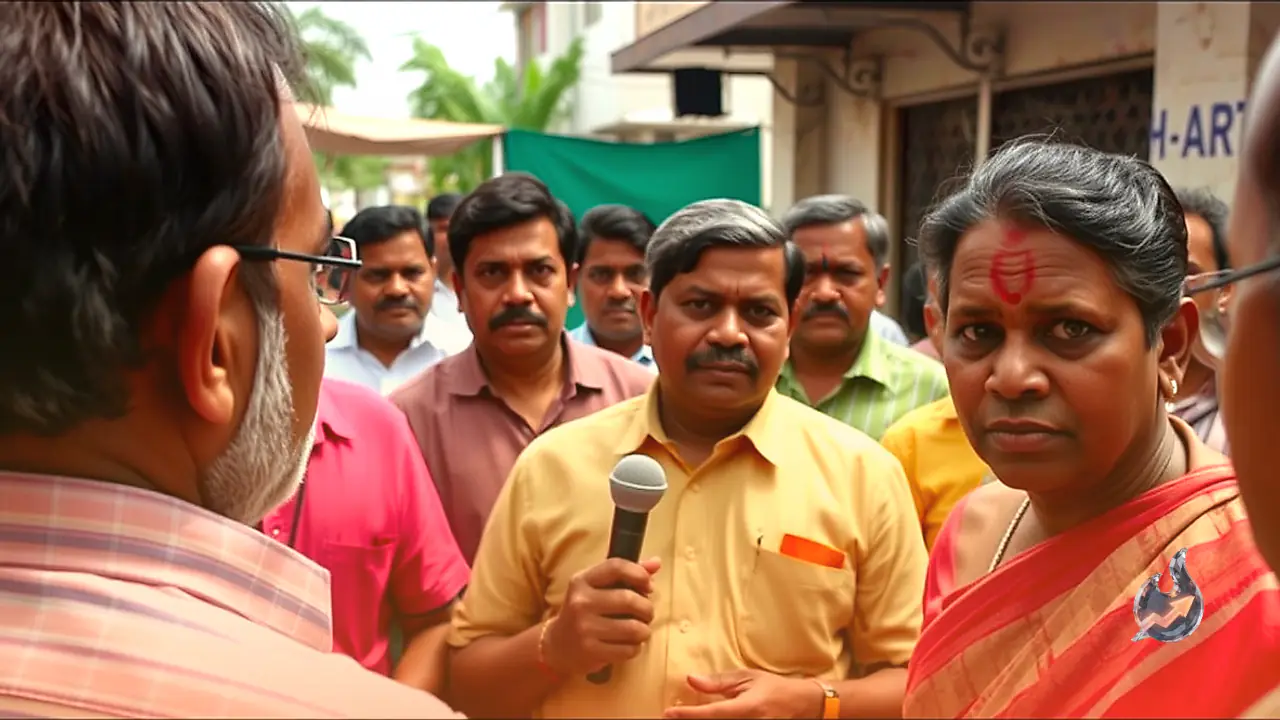














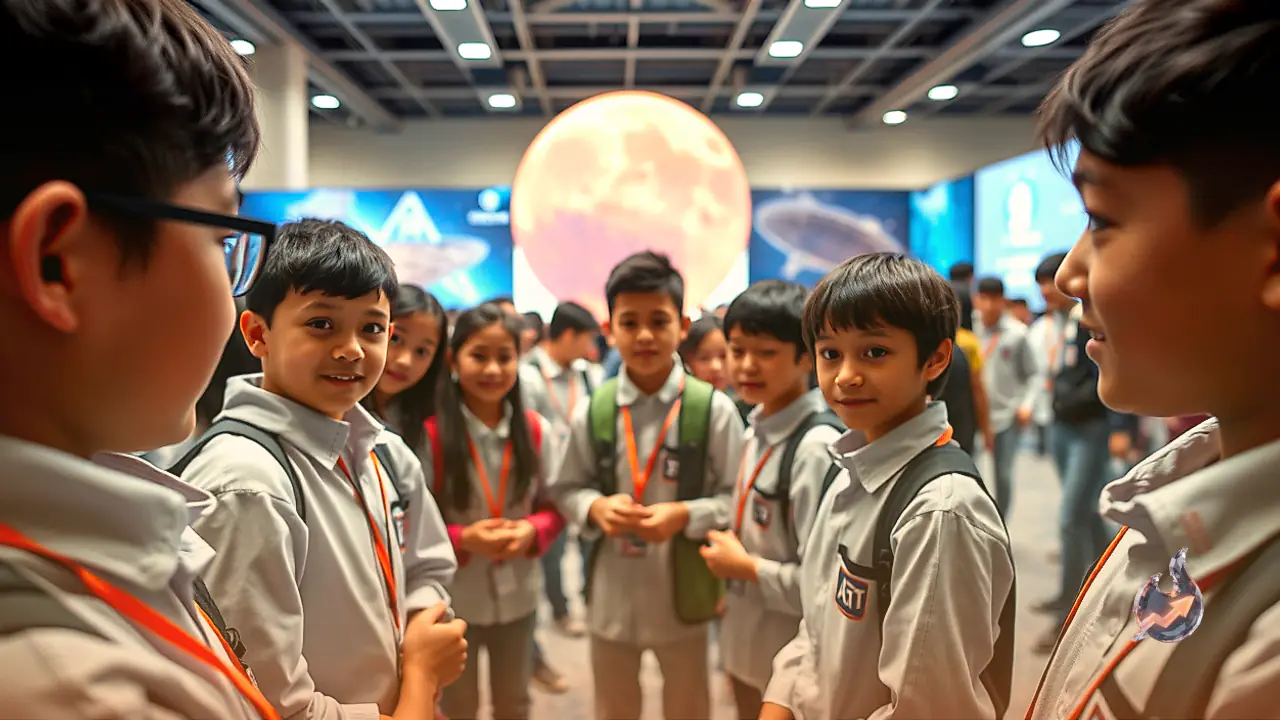

A dynamic three-day science and mathematics exhibition held at Adarsh Vidya Mandir Girls Senior Secondary School in Dausa brought together roughly 500 young minds from 12 districts across Jaipur province. Organised by Vidya Bharati, the initiative provided a platform for schoolchildren to step beyond conventional textbooks and apply foundational academic concepts to pressing modern problems and upcoming societal needs. The central objective of the gathering was to kindle curiosity, demystify mathematics and science, and foster a rigorous analytical temper among young learners by highlighting how laboratory knowledge can tackle community issues.
Smart City Visions and Lunar Exploration Take Centre Stage
The innovation pavilion reflected impressive forward-thinking ingenuity among participating students. Drawing inspiration from India's landmark lunar milestone, models celebrating Chandrayaan-3 stood alongside an ambitious blueprint titled 'Future Smart City-2050', which captured significant attention from visitors. This forward-looking urban design envisioned high-efficiency city planning, clean infrastructure, and responsive municipal services.
Healthcare and accessibility also formed a key pillar of the tech showcase. Students unveiled prototypes demonstrating the practical utility of nano-technology in clinical applications. For visually impaired individuals, dedicated exhibits featured sensory smart blind sticks and assistive smart glasses designed to enhance independent navigation. Additionally, functioning radar apparatus, Wi-Fi driven data exchange mechanisms, and automatic light sensors proved that these schoolchildren possess a solid practical grasp over contemporary electronic automation and telemetry.
Ecological Balance, Conservation and Agricultural Engineering
Environmental preservation and resource efficiency were equally prominent throughout the exhibition halls. Participants displayed workable solutions for civic hygiene, including automated smart dustbins, industrial effluent and water pollution remediation units, organic farming methods, and smart water-saving irrigation setups engineered to minimise agricultural runoff.
Rainwater harvesting techniques, food processing models, demonstrations on the magnetic effects of electric current, and intelligent traffic management systems earned wide appreciation. Foundational exhibits clarifying simple machines, first aid practices, and the fundamental states of matter offered clear, educational value. Together, these creations illustrated how structured engineering can directly counter the burdens of accelerating urban expansion, climate strain, and water depletion.
Four-Tier Competition Moves Towards Beawar and Gorakhpur
To ensure fair evaluation, student participants were classified into four dedicated categories: Shishu, Bal, Kishor, and Tarun. Alongside physical model demonstrations, the schedule featured competitive paper-reading sessions that tested analytical expression and technical communication. Provincial inspector of Vidya Bharati Arun Dubey and Adarsh Vidya Mandir Girls Senior Secondary School principal Uma Sharma noted the exceptional energy and inquisitiveness shown by students throughout the sessions.
The standout performers qualifying from this Dausa regional event are now preparing for higher competitive stages. Rajasthan will host its state-level science fair across all 41 districts in Beawar from November 2 to November 4. Following that contest, the top performers will advance to represent the state at the national-level Vidya Bharati science exhibition scheduled to commence on November 26 in Gorakhpur, Uttar Pradesh.