





















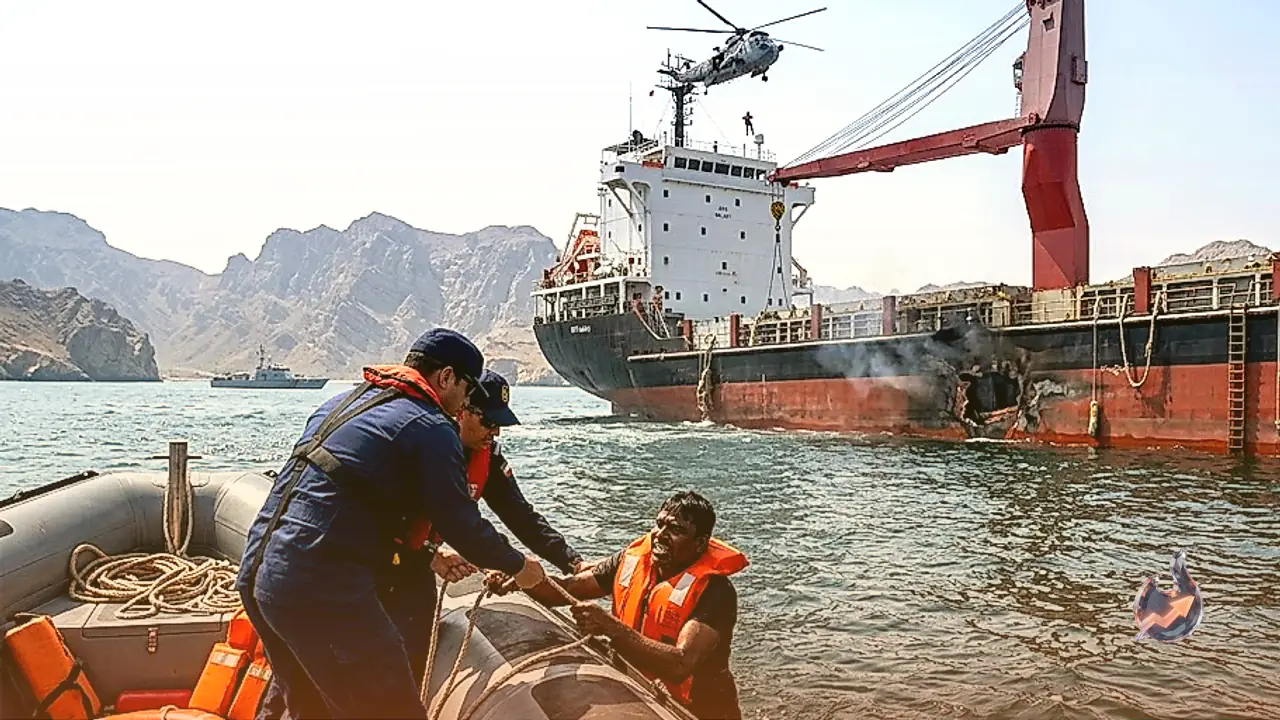

A commercial vessel named the GFS Galaxy has been targeted in a strike attributed to Iran within the strategically vital Strait of Hormuz, prompting an urgent international rescue operation. The merchant ship was carrying a crew that included eleven Indian nationals at the time of the incident. While search and rescue teams succeeded in securing the safety of ten Indian crew members, one Indian sailor remains unaccounted for. Following this hostile event, India's Ministry of External Affairs officially expressed its strong condemnation of the maritime strike, which occurred in close proximity to the coast of Oman.
India Demands Safety of Waterways and Condemns the Strike
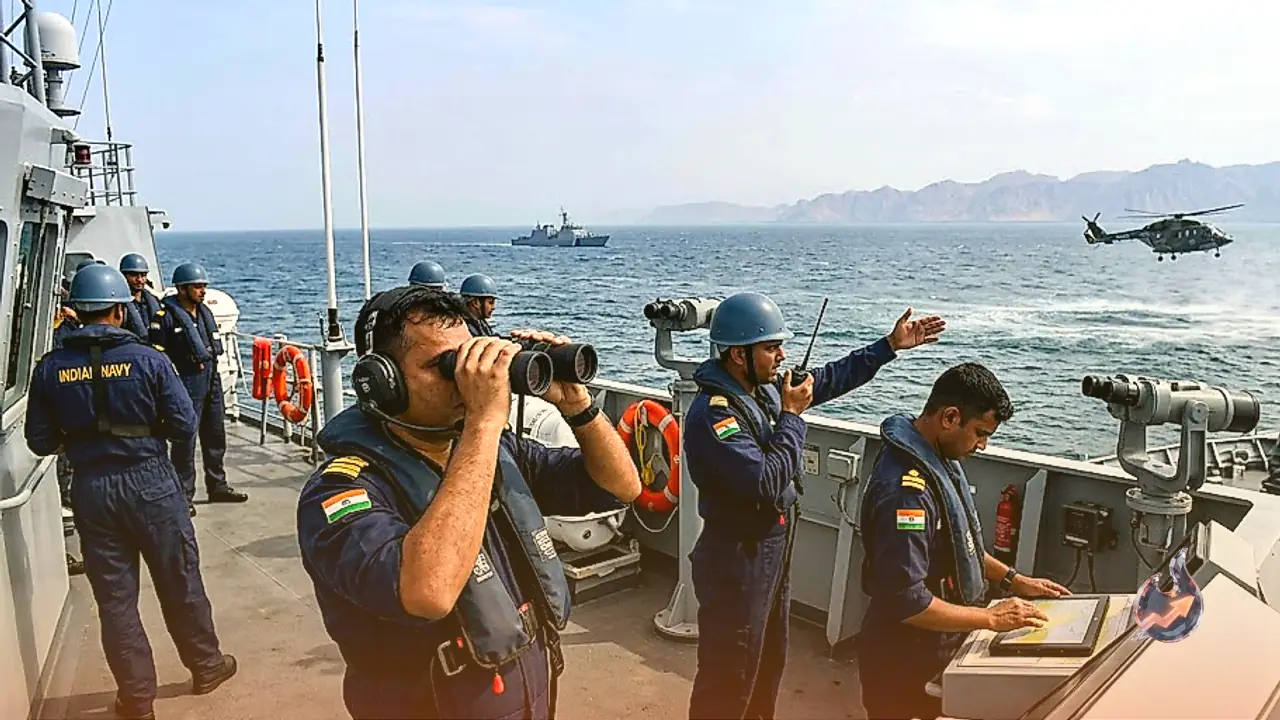
In a formal communication, the Ministry of External Affairs confirmed the details of the incident and India's diplomatic response. The ministry highlighted that out of the eleven Indian citizens who were aboard the GFS Galaxy during the attack, ten have been successfully retrieved and are safe. However, deep concern remains for the single Indian national who has gone missing. Indian diplomatic representatives explained that they are working in lockstep with Omani authorities, coordinating search and rescue assets to locate the missing sailor. The Indian Embassy located in Oman is keeping a constant watch on the developing situation and remains in active communication with local emergency responders. India also expressed its sincere appreciation to the Omani government for providing immediate logistical and operational assistance during this critical emergency.
Addressing the broader pattern of maritime insecurity, the Ministry of External Affairs expressed grave concern regarding the recurrent attacks directed at commercial shipping vessels navigating these crucial waters. India renewed its urgent appeal to all involved parties to implement immediate measures to de-escalate the volatile situation. The official statement emphasized that diplomatic channels must be utilized to resolve ongoing disputes and re-establish long-term stability and peace across the region. India asserted that civilian infrastructure and trade vessels must never be made military targets. Furthermore, the nation called for the swift and unhindered restoration of free maritime transit and international commerce through these vital shipping lanes, strictly adhering to established international maritime laws.
Geopolitical Conflict Triggers Broader Military Confrontation
This incident comes amid a severe escalation in geopolitical hostilities throughout the Middle East, marked by direct military engagements between the United States and Iranian forces. In response to the persistent threats posed to civilian maritime transport, the US military initiated a series of comprehensive strikes targeting Iranian assets. US forces deployed a combination of land-based combat aircraft, carrier-borne fighter jets, unmanned aerial vehicles, and precision-guided munitions launched from naval warships. These coordinated operations targeted approximately 140 distinct military positions belonging to Iran across multiple sectors.
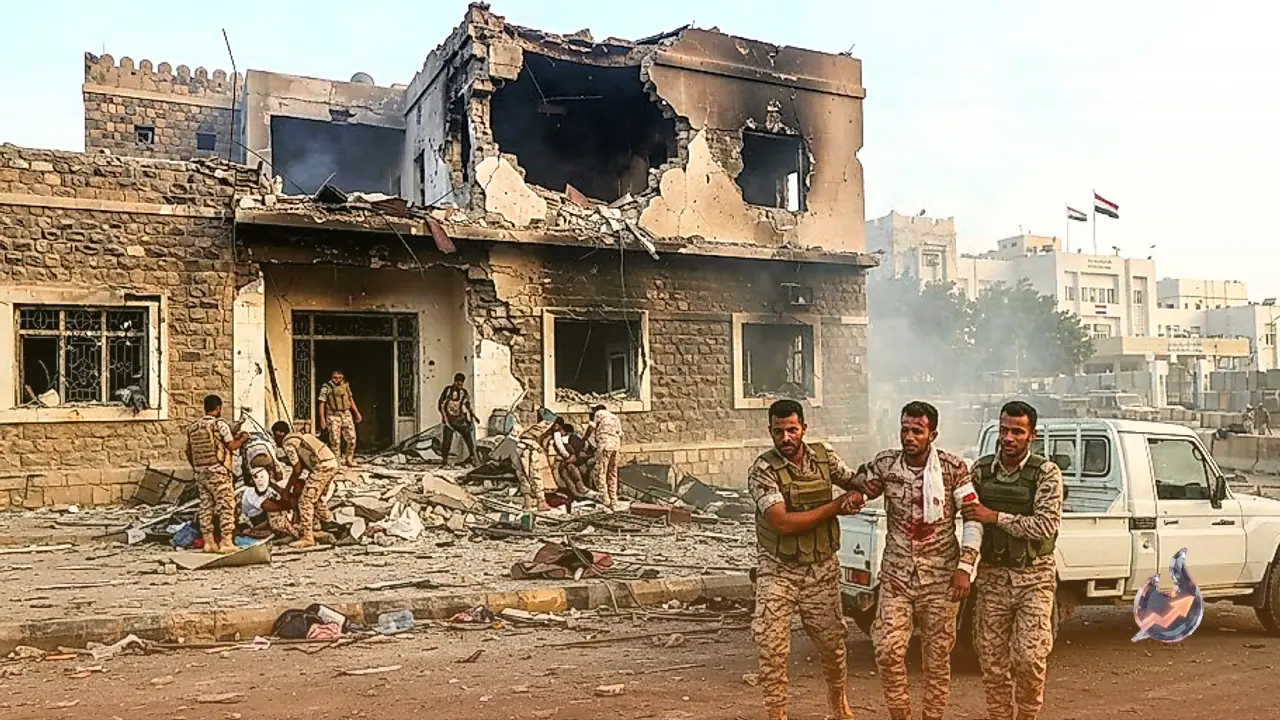
Iran retaliated swiftly by launching strikes against US military bases situated in several neighboring nations, including Bahrain, Kuwait, Qatar, and the United Arab Emirates. This counter-offensive has triggered widespread security alerts throughout the Persian Gulf. The government of the United Arab Emirates issued urgent warnings to its citizens regarding potential drone and missile threats. Concurrently, loud explosions were heard in neighboring Qatar, which immediately activated nationwide warning sirens. The Qatari armed forces later confirmed through an official announcement that their air defense networks successfully intercepted and destroyed multiple incoming missiles launched from Iranian territory. Additionally, Oman's state media reported that drone strikes were detected in the north-eastern regions of the country near the Strait of Hormuz. This development follows prior claims by Iran regarding military actions in Oman, which had previously been dismissed by the Sultanate. These events highlight the deep fragility of maritime security in the Persian Gulf, where a single localized attack can rapidly balloon into a multi-nation military confrontation involving global superpowers and regional states alike.