
















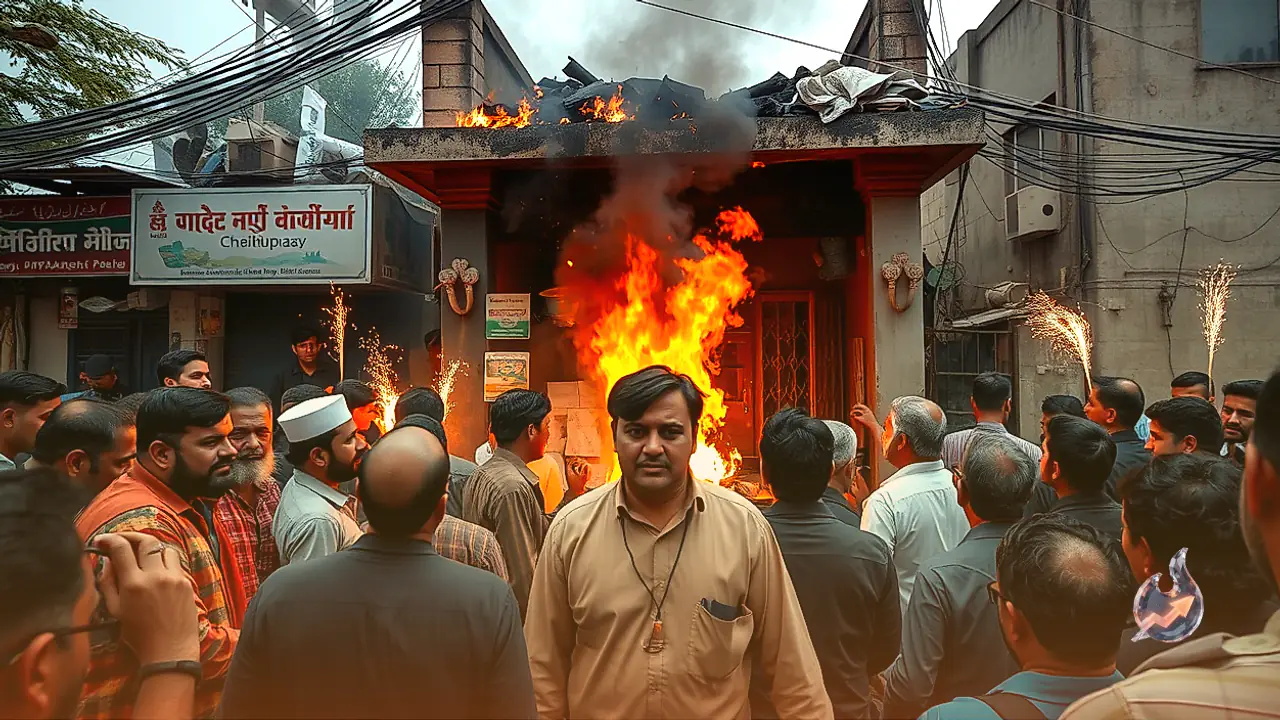

A fresh episode of violent unrest linked to blasphemy accusations has gripped Pakistan's Punjab province, where an aggressive crowd laid siege to a Christian man's property, torching both his private home and commercial pharmacy. The incident unfolded on Thursday in the village of Ghariyal Kalan, located in Sheikhupura district roughly 50 kilometres from Lahore. The aftermath of the rampage triggered immense panic across the neighbourhood, driving over 35 Christian households to pack their belongings and flee their homes to escape potential retributive bloodshed.
Loudspeaker Announcements from Local Mosque Precede Arson
According to police official Zubair Abbas, the flashpoint erupted around 40-year-old Kamran Gul Masih after claims surfaced regarding his online activity. Anticipating that Masih could be lynched by an angry mob, law enforcement personnel took him into custody and transferred him to an undisclosed secure site for his own safety. However, tensions escalated swiftly after calls were broadcast through the loudspeakers of a neighbourhood mosque, directing locals to assemble outside the suspect's residence.
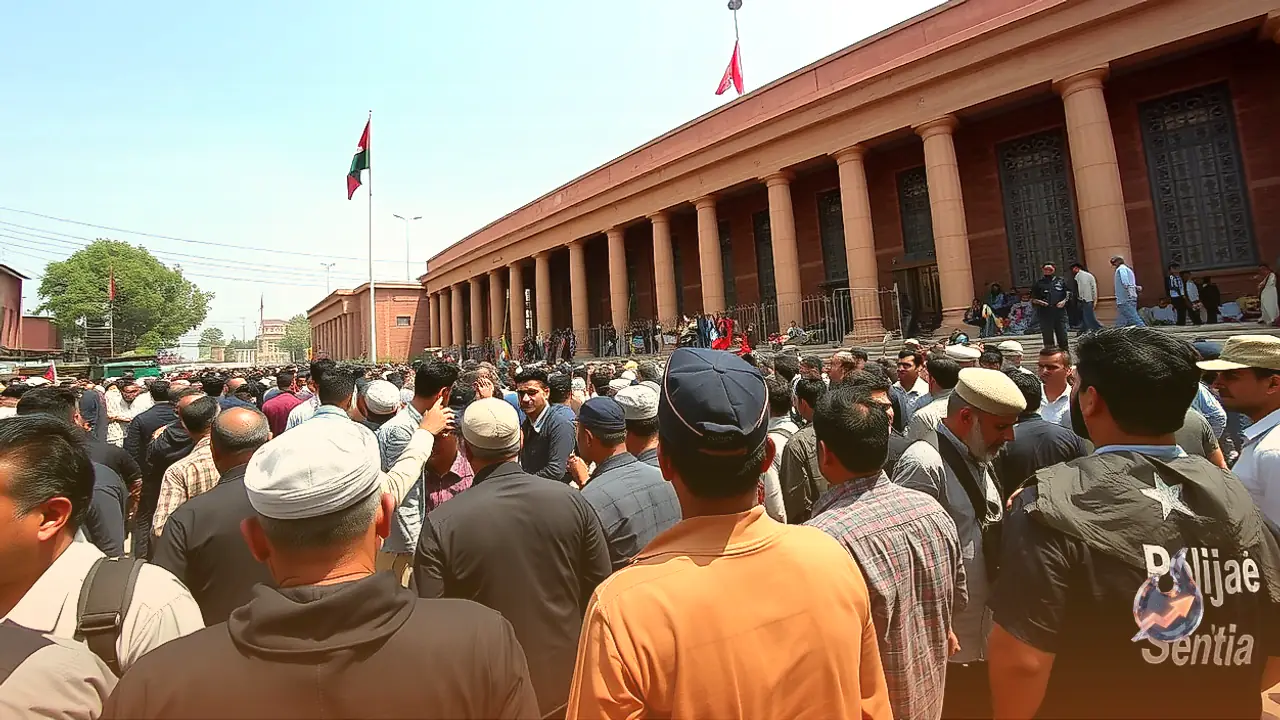
Following the public broadcast, hundreds of agitated individuals converged on the site. The gathered crowd stormed the compound, setting Masih's house on fire before moving on to incinerate his nearby pharmacy business. As word of the gathering swarm reached neighbours, Masih's relatives and nearby Christian families immediately fled the vicinity in search of refuge. Video documentation from the incident was circulated on X regarding the unfolding destruction.
Over 35 Families Displaced Amid Heavy Police Mobilisation
The aggressive destruction caused widespread terror in the village, prompting more than 35 Christian families to abandon their residences in haste. Upon learning of the arson, senior police officers led a sizable contingent of personnel to the scene, eventually bringing the immediate unrest under control and establishing a security cordon around the affected neighbourhood.
Investigators formally registered a criminal case against Kamran Gul Masih under Section 295-C of the Pakistan Penal Code. This particular statutory provision specifically penalises any acts or remarks deemed derogatory towards the Prophet Muhammad, frequently carrying severe statutory penalties under Pakistani jurisprudence.
Dispute Traced to Shared Facebook Clip and Digital Evidence
According to the First Information Report (FIR), the formal complaint originated from police personnel Raees Ahmad, who had been conducting routine neighbourhood patrols with fellow officers when alerted to the online content. The report states that Masih had allegedly shared a video on Facebook that was initially uploaded a day earlier by an individual account operating under the name John Shaki.
The responding police officer downloaded the recorded clip onto his mobile device at the scene. In the presence of designated witnesses, the video file was copied onto an external USB storage drive, which was subsequently sealed and impounded as primary evidence. Investigators additionally extracted screen captures of the disputed publication for official documentation, as reflected in the circulating record on X documenting the case filings.
Separate Legal Action Initiated Against Arsonists
Alongside the blasphemy inquiry opened against Masih, authorities initiated a separate criminal investigation into the crowd members responsible for the property destruction. Police lodged a second FIR against the rioters, formally naming five individuals while listing numerous unidentified perpetrators on charges of vandalising and burning down the residence and commercial unit.
Despite the registration of cases against the arson suspects, a deep sense of vulnerability persists throughout the local Christian community. Families displaced by the sudden hostility remain reluctant to return, uncertain whether police presence will sufficiently deter further retaliatory attacks in the surrounding district.
Persistent Pattern of Extrajudicial Retaliation Against Minorities
Religious minorities across Pakistan, notably Christians and Hindus, frequently confront systemic intimidation, discrimination, and communal violence. Blasphemy remains a profoundly combustible allegation across the country, where unsubstantiated rumours or informal accusations have repeatedly triggered fatal vigilantism long before legal mechanisms or judicial forums can evaluate the underlying claims.
The pattern mirrors the widely condemned 2021 lynching in the industrial hub of Sialkot, where an infuriated mob beat a Sri Lankan factory manager to death and burned his remains over unproven claims of blasphemy. The turmoil in Sheikhupura serves as yet another stark reminder of the fragile security environment confronting religious minorities whenever blasphemy allegations are weaponised to justify collective mob vengeance.