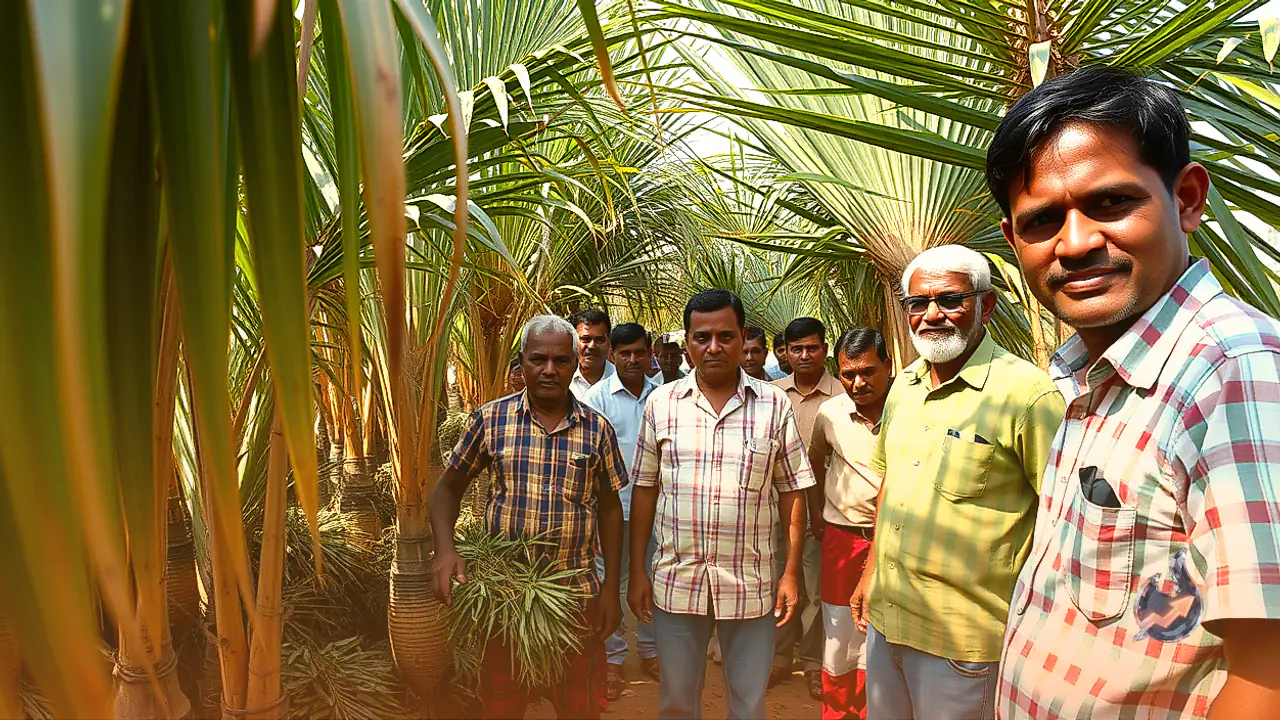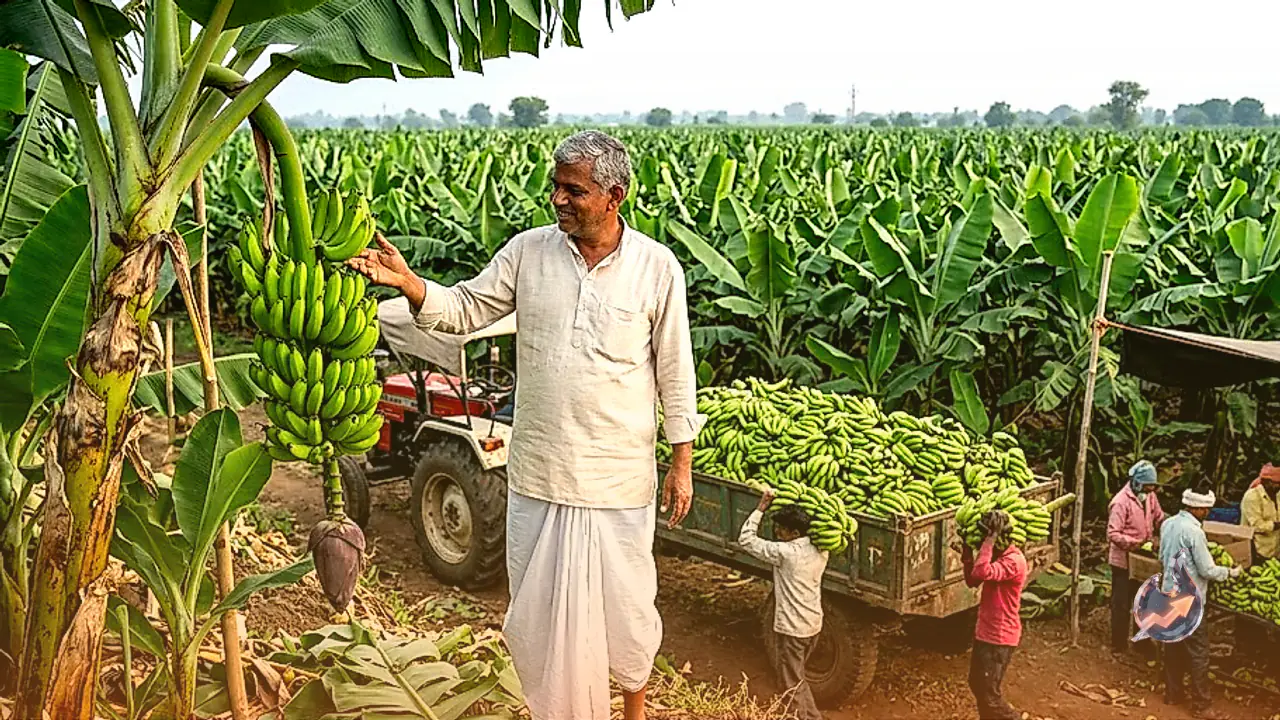























At a time when escalating input costs and expensive farm chemicals strain rural livelihoods, a farmer in Bihar has shown how self-reliance can turn agriculture profitable. Lalbabu Singh, a resident of Motha village in Rohtas district, has eliminated his dependence on retail agricultural outlets for synthetic fertilizers. By applying indigenous natural formulations across his 20-acre agricultural holding, he has curtailed cultivation expenses while protecting the long-term fertility of his land. His disciplined shift toward natural farming methods and resource management has earned him 15 awards across various platforms.
The Burden of Escalating Chemical Farming Costs
For years, Lalbabu Singh followed standard chemical-heavy practices on his vast farm. Managing 20 acres required substantial upfront working capital before every planting cycle. Applying diammonium phosphate, commonly known as DAP, cost him approximately 2,000 rupees per acre. For his entire 20-acre property, a single crop cycle demanded an outlay of roughly 40,000 rupees solely on DAP bags. Beyond that, supplementary synthetic fertilizers, repeated sprays of chemical pesticides, and hiring manual labor to apply these inputs continuously pushed expenses higher. Despite generating regular harvests, the margin of profit was progressively eroding under the weight of rising input bills, making commercial farming an increasingly stressful enterprise.
Transitioning Toward Natural Practices and Jeevamrit
Recognizing the unsustainable trajectory of high-cost farming, Lalbabu Singh began investigating chemical-free alternatives. He actively gathered technical literature and underwent formal training programs to understand the microbiology and mechanics of natural farming. Following his training, he systematically phased out commercial fertilizers and substituted them with home-prepared organic preparations. Today, his primary soil nourishment comes from Ghan Jeevamrit alongside other natural liquid mixtures formulated from domestic farm resources. This comprehensive transition has effectively eliminated his fertilizer procurement bills, providing significant financial relief season after season.
Step-by-Step Method for Preparing Ghan Jeevamrit
Lalbabu Singh openly shares his standardized formulation for preparing solid bio-fertilizer, known as Ghan Jeevamrit. The preparation relies on accessible materials and requires no industrial machinery
- Fresh Indigenous Cow Dung: The formulation begins with 100 kilograms of fresh dung sourced from indigenous desi cows, which serves as the rich organic carrier.
- Cow Urine Addition: Between three to four kilograms of cow urine is mixed into the dung to introduce beneficial microorganisms and accelerate breakdown.
- Jaggery and Gram Flour: Two kilograms of unrefined jaggery and two kilograms of besan, or chickpea flour, are blended in to provide carbon, sugar, and proteins that nourish soil microbes.
- Uncontaminated Virgin Soil: Exactly one kilogram of topsoil collected from field boundaries or beneath ancient trees, where synthetic agrochemicals have never been applied, is introduced as an inoculant.
- Shade Curing Period: All the components are thoroughly kneaded into a uniform paste and placed under protective shade away from direct sunlight for a total of 15 days.
Once the 15-day incubation period concludes, the enriched Ghan Jeevamrit is fully decomposed, stabilized, and ready for distribution across crop beds as a direct replacement for synthetic soil amendments.
How Lower Expenditure Enhances Farm Economics
The financial rationale behind adopting organic inputs centers directly on input elimination. Because raw materials such as livestock dung, urine, and agricultural byproducts are already present around the homestead, out-of-pocket cash requirements drop immediately. Furthermore, crops cultivated with organic soil conditioners develop greater natural resistance against common pests, curbing the need for expensive pesticide bottles. The labor requirement for repetitive chemical applications also diminishes, bringing down daily wage payouts. By reducing overall operating costs, a much larger fraction of crop revenue is retained as clean household profit.
Disproving the Myth of Yield Reduction
A prevalent hesitation among rural cultivators is the fear that abandoning commercial chemicals leads to steep harvest losses. Lalbabu Singh challenges this notion through his own verified yields over 20 acres. He emphasizes that when growers follow proper training, apply correct quantities, and maintain proper timing, biological inputs support harvest volumes comparable to chemical systems. More importantly, he advocates that growers calculate real margins rather than gross output alone. When thousands of rupees in chemical and labor overheads vanish, the farmer's net financial return rises regardless of minor yield variances.