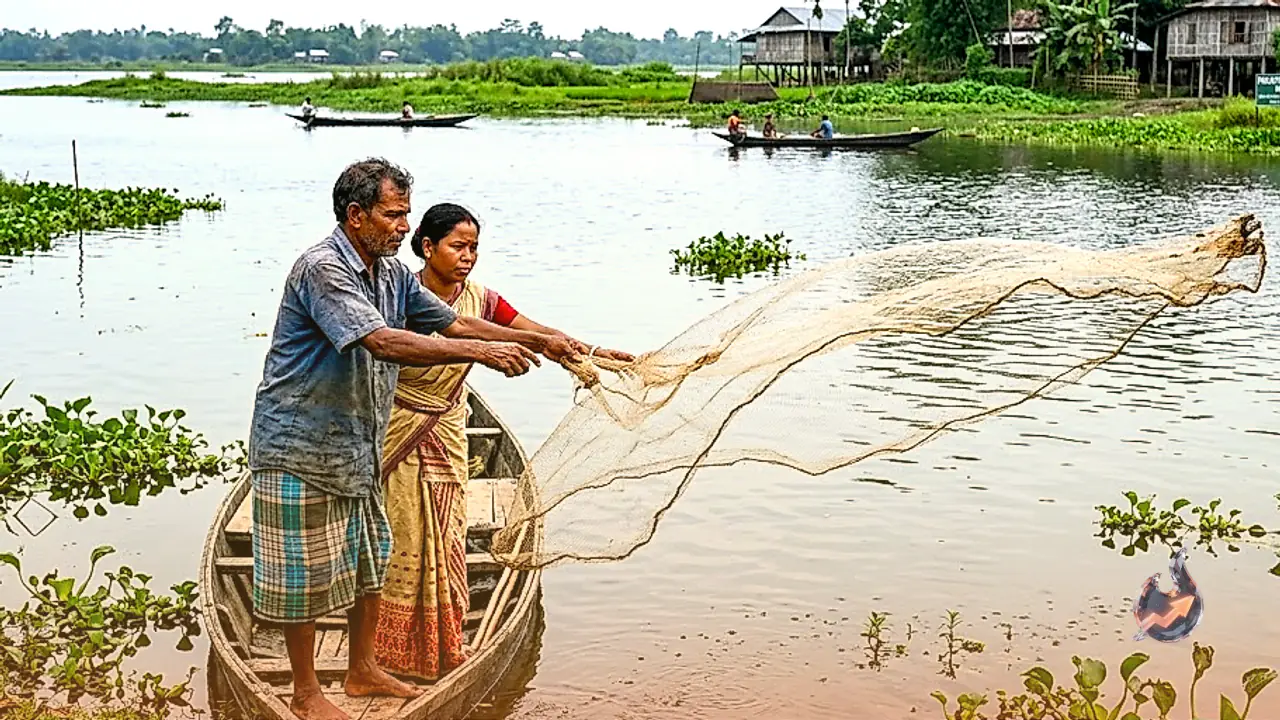


















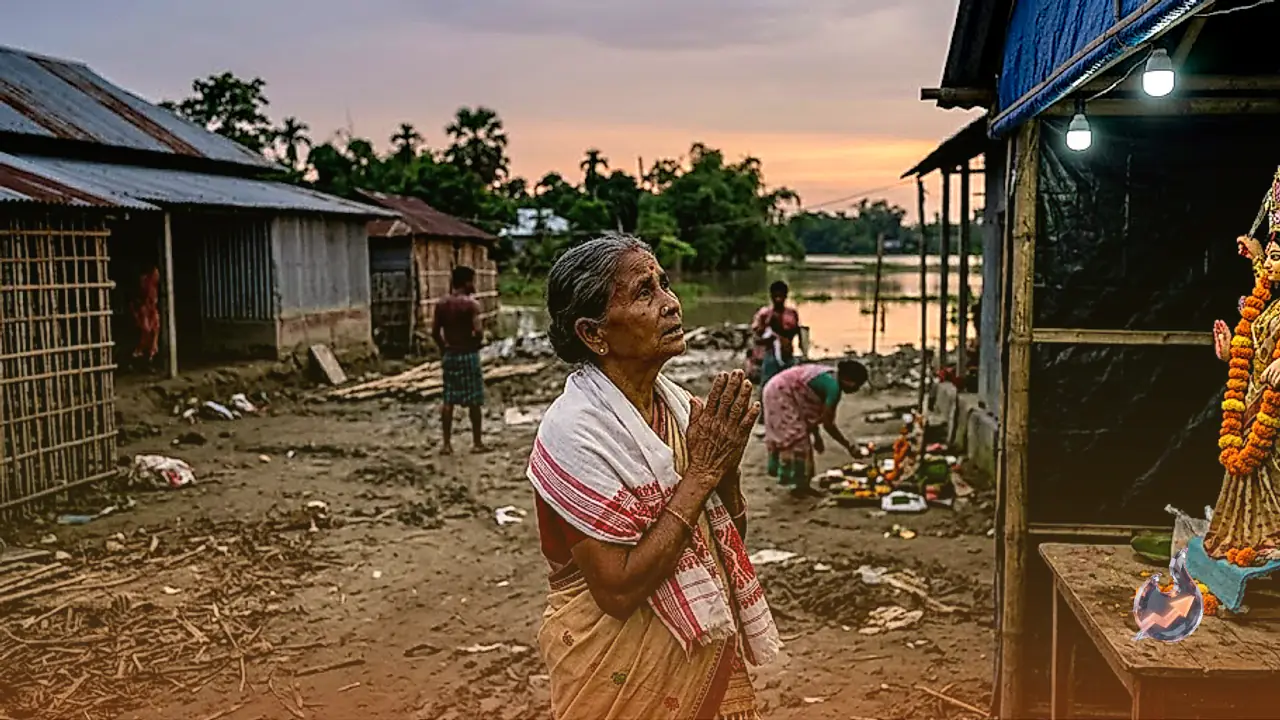

The massive devastation triggered by the recent floods across Sivasagar and Charaideo districts in Assam has cast a dark shadow over the upcoming Durga Puja festivities, prompting multiple organizers to scrap cultural celebrations entirely and mark the festival with utmost simplicity. The natural calamity has deeply impacted local communities across both regions, forcing a collective rethinking of how the annual festival should be approached this season.
Committees Opt for Traditional Observances
Recognizing the immense hardships and losses endured by local residents, organizers concluded that hosting regular entertainment and cultural spectacles would be entirely inappropriate under the current circumstances. The Amolapatty Hindu Dharma Samaj Namghar Samity convened an annual general meeting led by Arabinda Baruah, where members reached a unanimous consensus to conduct their 128th Durga Puja strictly through traditional rituals while omitting all cultural segments from the schedule.
Honoring Flood Victims Through Simple Celebrations
Similarly, the historic Sivasagar Barowari Puja Committee chose a low-profile approach for the festivities. Out of deep respect for the more than 100 individuals who lost their lives during the recent inundations, the committee decided against organizing any cultural events at the historic Kali Prasad Memorial Hall. Following the same path, the Mandir Road Bengali Puja Samity resolved to restrict its observances strictly to traditional religious rituals.
Government Rapid Assessment and Relief Measures
In a related administrative development, the Assam Government previously clarified that a third survey would not be mandated prior to Durga Puja. Authorities will instead carry out a rapid assessment to evaluate ground realities and determine necessary interventions ahead of the festivities. This approach aims to fast-track relief operations and prevent bureaucratic delays before the celebrations begin.
Ongoing Relief Support for Residents
Meanwhile, flood-affected citizens in Sivasagar continue to require sustained relief and essential provisions. Local authorities are actively monitoring conditions on the ground to ensure that comprehensive aid reaches every family in distress.