



















Growing human intrusion around critical bird resting grounds has sparked serious wildlife concerns across Assam. Conservation organisation Aaranyak has formally sought a total ban on operating drones near Amur Falcon congregation grounds in the state, pointing out that unchecked aerial activities could severely compromise the safety of these long-distance migratory visitors throughout their seasonal stopover.
Recreational Flying Poses Direct Threat To Flocks
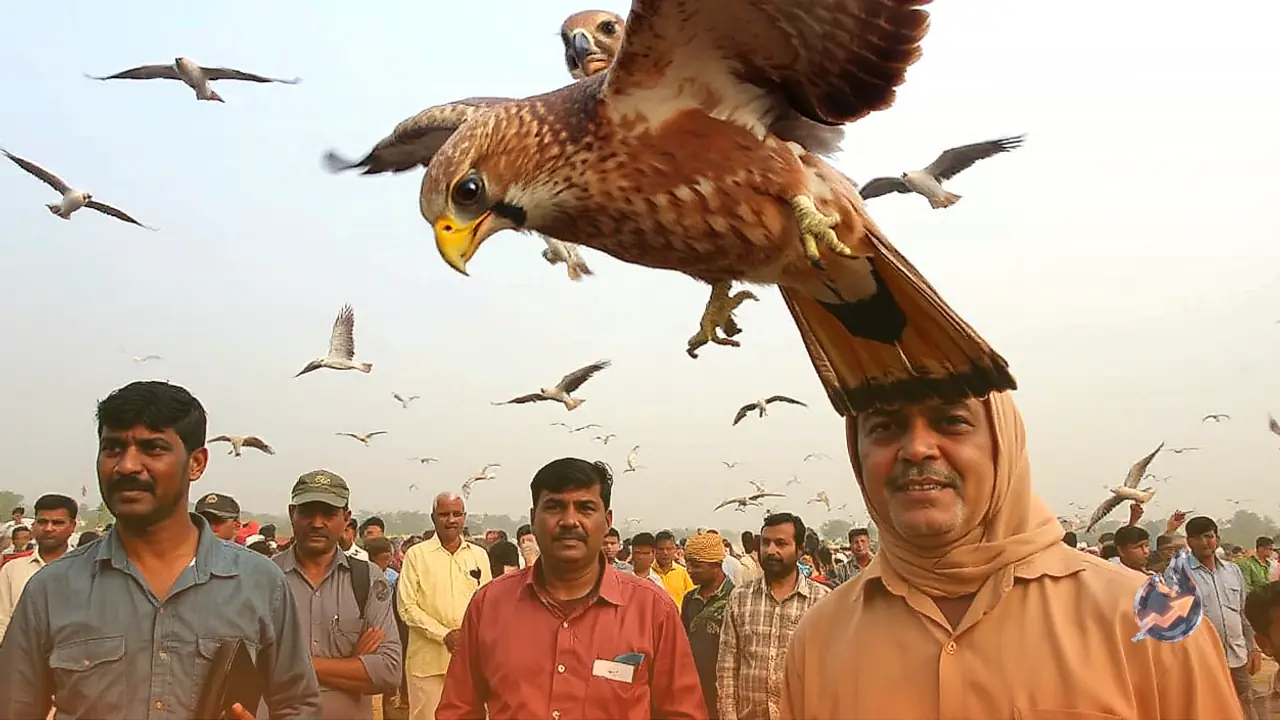
The call comes in response to repeated instances where sightseers and digital content creators have flown drones dangerously close to dense clusters of Amur Falcons to capture aerial footage and photographs. Aaranyak noted that flying mechanical craft near flocking birds creates a grave risk of direct physical trauma from fast-spinning propellers, alongside generating intense disturbance that destabilises the natural calm of their resting quarters.
Wildlife photographer and Aaranyak organising secretary Udayan Borthakur voiced grave apprehension regarding the uncontrolled deployment of unmanned aerial vehicles near the resting birds. He made it clear that producing internet material must never take precedence over preserving wildlife life and well-being. Borthakur underlined that documenting migratory species demands high ethical standards and self-restraint, reiterating that safeguarding the species must always rank above online popularity and amusement.
Call For Administrative Curbs And Buffer Zones
To halt further disruptions, Aaranyak has formally appealed to the Morigaon district administration along with the Dima Hasao Autonomous Council to step forward with enforceable prohibitions. The group wants clear official directives prohibiting all commercial, recreational, and non-essential drone flying in the immediate surroundings of verified Amur Falcon roosting and gathering sites.
In tandem with legal restrictions, the organisation recommended demarcating dedicated no-drone buffer zones around known habitats, backed by routine patrolling by the Forest Department and local administrative teams. Educational drives to deter incoming tourists and camera operators from flying gear near the birds were also highlighted. Aaranyak has committed to supporting authorities with scientific knowledge, drafting public educational materials, and hosting dedicated sensitisation workshops for resident villagers, arriving travelers, media workers, and content producers.
Vital Intercontinental Flight Corridor Across Assam
Amur Falcons undertake one of nature's most astonishing migratory expeditions, traveling thousands of kilometres from nesting territories in eastern Asia to wintering havens situated across southern Africa. During this strenuous intercontinental migration, Assam alongside neighbouring regions in Northeast India provides vital resting and refuelling stations. Aaranyak underlined that keeping these transit hubs completely clear of unwarranted human disturbances remains vital to providing these avian travellers an unhindered passage.