



















Constructing a dedicated high-speed rail track through the narrow Siliguri Corridor, widely referred to as the Chicken Neck, will represent the most formidable engineering challenge in bringing bullet train connectivity to Guwahati. Assam Chief Minister Himanta Biswa Sarma stated on Tuesday that traversing this strategically vital passage linking the Northeast to the rest of the country will require exceptional infrastructure solutions. Depending on the final engineering blueprint selected to negotiate this congested strip, overall expenditure on the venture could escalate by two to three times the initial estimates.
Severe Spatial Constraints Along the Chicken Neck
The geographical limitations of the Siliguri Corridor present substantial logistical obstacles for modern transport planning. Sarma highlighted that the territory contracts to a width of around 22 km in certain sections and narrows down to barely 16 km in others. Such tight physical parameters leave negligible room for adding major transport infrastructure. A national highway along with an operational conventional rail route already occupy this narrow strip, turning the addition of a modern railway network into an unusually intricate undertaking.
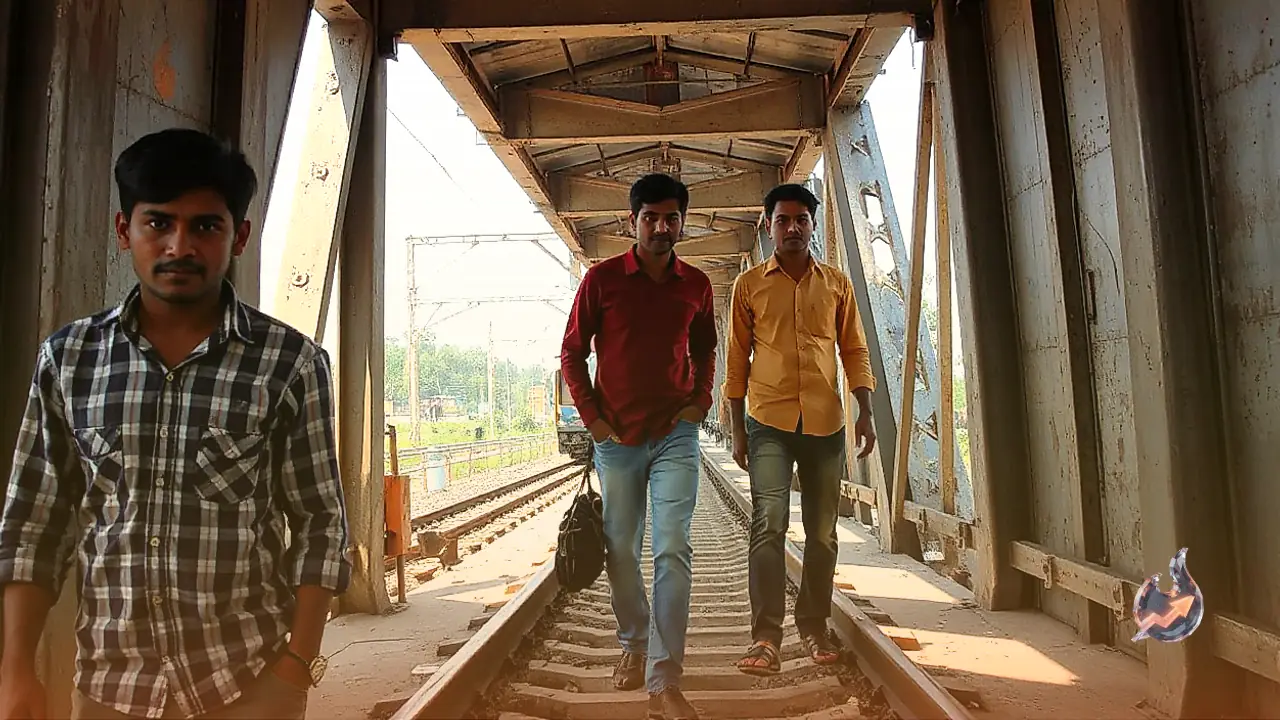
Sarma further explained that high-speed trains cannot function on conventional railway infrastructure and unconditionally require an independent, dedicated corridor. The project cannot depend on upgrading existing lines; instead, entirely new tracks built specifically for high speeds must be laid across this narrow land bottleneck.
Underground Tunnel or Elevated Viaduct Under Review
To safely navigate the restricted corridor, planners are weighing two primary engineering methods. The Chief Minister indicated that the route will necessitate either subterranean railway tunnels or a continuous elevated viaduct structure to span the strategic stretch. Because both engineering approaches involve advanced technical deployment and heavy civil works in a confined zone, the price tag for this segment could multiply by two to three times.
Decisions regarding the final technical design, exact alignment of the tracks, and specific construction methodologies remain pending. Sarma confirmed that he plans to take up these technical dilemmas and structural alternatives directly with Railway Minister Ashwini Vaishnaw during his upcoming official visit to New Delhi.
From Policy Roadblocks to Project Sanction
The high-speed rail link was originally planned to terminate at Siliguri, leaving the northeastern states outside the bullet train footprint. Extending high-speed rail all the way to Assam previously appeared so improbable that it was hardly raised as a public expectation. However, following a formal written submission and discussions held with Vaishnaw in July, the Union government recognized the strategic merit of the proposal and agreed to extend the Northern bullet train corridor into Guwahati.
The Chief Minister expressed appreciation to Prime Minister Narendra Modi and Vaishnaw for backing the expansion, highlighting that the completed corridor is set to shrink travel times between Guwahati and Delhi to under eight hours. As Assam prepares to host upcoming high-tech industrial ventures, flight-like, economical ground connectivity between Delhi and two state capitals will generate substantial commercial and employment prospects. Nevertheless, Sarma emphasized that securing approval is merely the starting phase, with comprehensive field surveys, track routing, and core technological choices yet to be finalized.