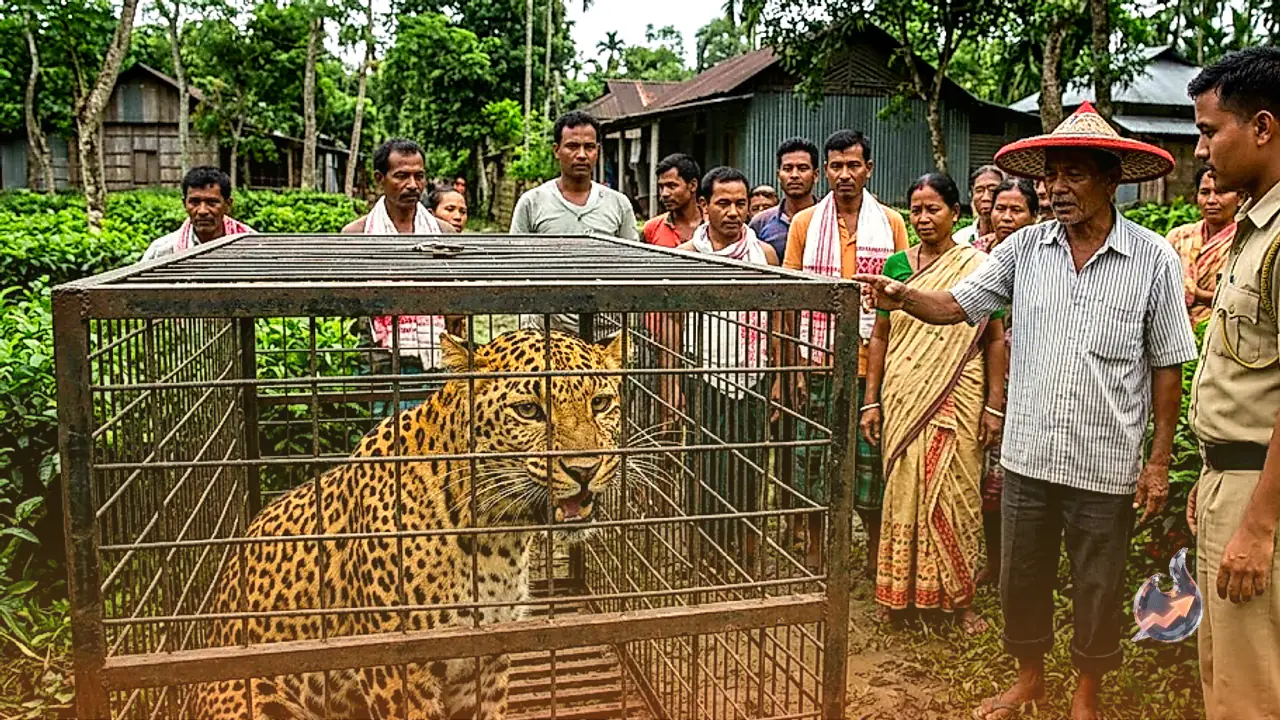

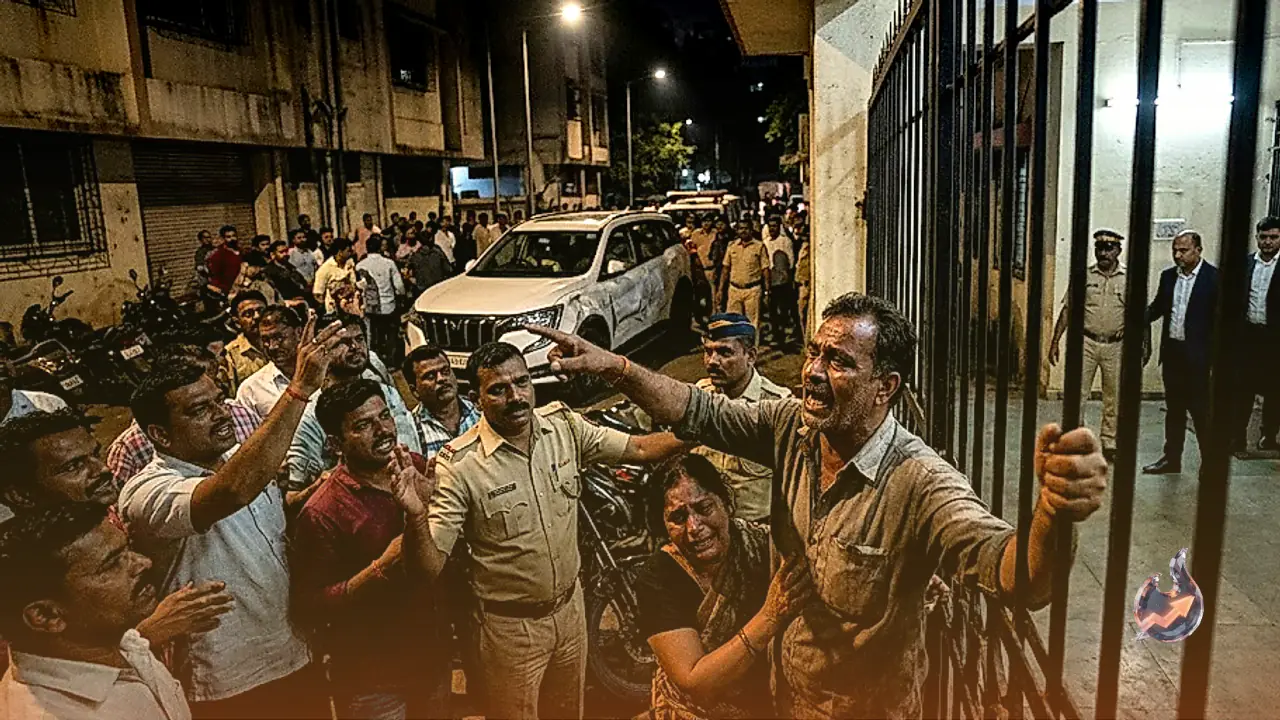














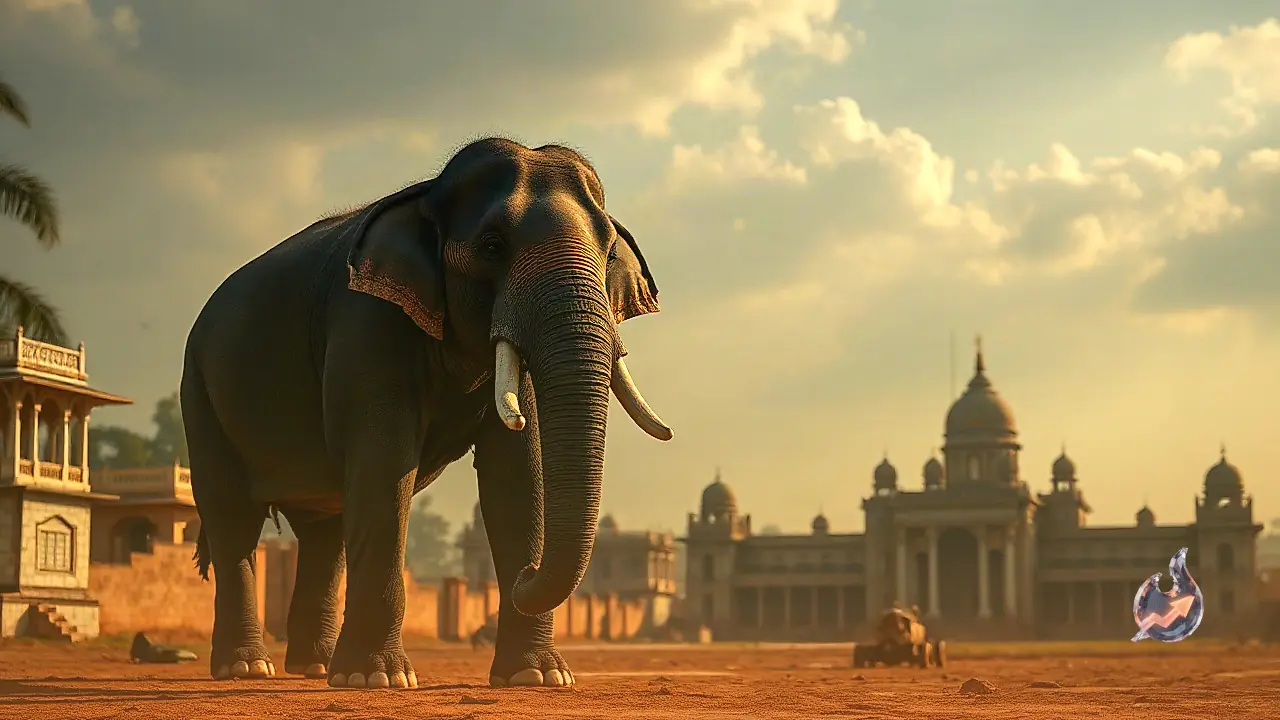

The Gauhati High Court has directed a High-Powered Committee appointed by the Supreme Court to consider the rehabilitation of nine captive elephants from Assam currently held at various temples in the state of Tamil Nadu. This judicial directive came from Justice Devashis Baruah while presiding over a petition originally filed by the Assam government back in September 2022, which specifically sought the official release and repatriation of Joymala, also widely recognized by her alternate name Jeymalyatha.
Origins of the Lease and Rising Concerns
The captive elephant in question was originally leased out by the authorities in Assam to the Srivilliputhur Nachiyar Thirukovil temple located in Tamil Nadu for a stipulated duration of three years back in 2011. However, despite the formal agreement coming to a natural close, the animal was retained in the custody of the temple far beyond the agreed timeframe. The legal and public battle gained massive momentum after distressing media reports and video footage surfaced, purportedly showing the animal being physically beaten and controlled through aggressive tactics by her handlers.
Involvement of Animal Welfare Organizations
People for the Ethical Treatment of Animals (PETA) India was subsequently impleaded as a formal respondent in the ongoing legal proceedings, actively advocating for her immediate transfer to a designated wildlife sanctuary where she could roam free of heavy iron chains and co-exist with other members of her species. Taking cognizance of the matter, the High Court expanded its scope by referring similar unresolved cases involving eight additional elephants from Assam to the same High-Powered Committee, noting that their respective temporary transfer authorizations to Tamil Nadu had long expired.
Role of the Supreme Court Committee
The High-Powered Committee functions under the chairpersonship of retired Justice Deepak Verma, having been constituted by the apex court to thoroughly examine all complex issues surrounding captive elephants across the country, including ownership documents, interstate transfers, and comprehensive rehabilitation protocols. Furthermore, the High Court mandated the government of Tamil Nadu to conduct rigorous monthly inspections of all facilities housing these nine elephants. The bench ordered that pending the final adjudication by the committee, authorities must seize and rehabilitate any captive animal found lacking basic nutrition, proper medical attention, and adequate housing facilities.
Medical Consensus and Safety Hazards
During the proceedings, the court observed that while temple representatives argued that the animal was revered and worshipped, their actual treatment reflected an attitude that treated the living creature more like a movable asset rather than prioritizing genuine animal welfare. The judiciary also instructed the committee to grant PETA India a formal platform to present its comprehensive viewpoint. In March 2025, after a thorough evaluation of video documentation regarding her living conditions, over 50 veterinarians from across the nation signed a collective professional opinion advocating for her rescue, which was duly submitted to relevant administrative bodies.
PETA India Vice President of Policy Khushboo Gupta publicly welcomed the judicial directions while reiterating the urgent need to secure the freedom of all nine captive elephants. She emphasized that utilizing live animals in religious institutions when sophisticated mechanical alternatives are readily available is entirely unnecessary, hazardous, and outdated. The organization previously offered to donate a mechanical counterpart to the Arulmigu Nachiyar (Andal) Temple if the living animal was successfully liberated. Records indicate a rising number of captive animal attacks in recent years, underlining the severe risks posed to handlers and devotees alike when wild mammals endure prolonged confinement and abuse.