




















As India marks the 100th birth anniversary of Bharat Ratna Bhupen Hazarika this year, the Assam government has quietly begun exploring whether a decaying room inside an old Kolkata house, once home to the singer, can be rescued and turned into a lasting memorial in his honour. The move comes as part of a wider effort to identify and safeguard places closely tied to the legendary musician's life, at a time when the property itself sits in a fragile, multi-owner state that makes any such effort far from simple.
A Sunday visit to Tollygunge
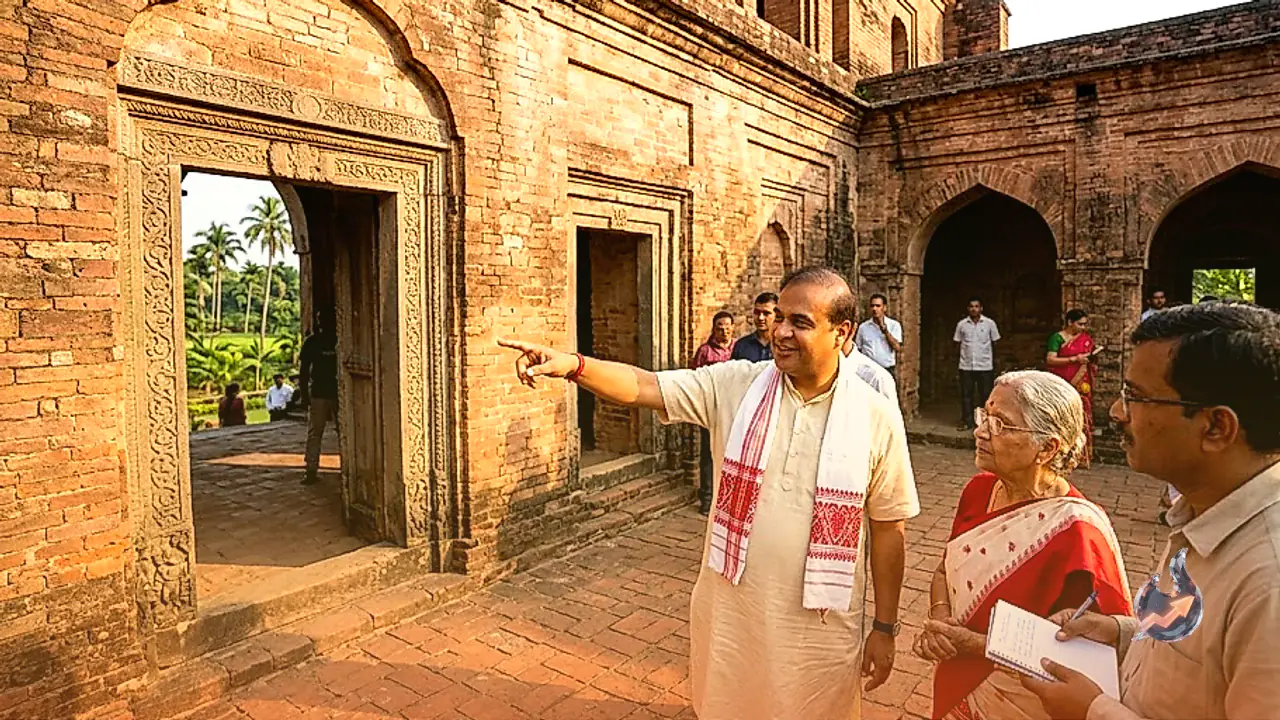
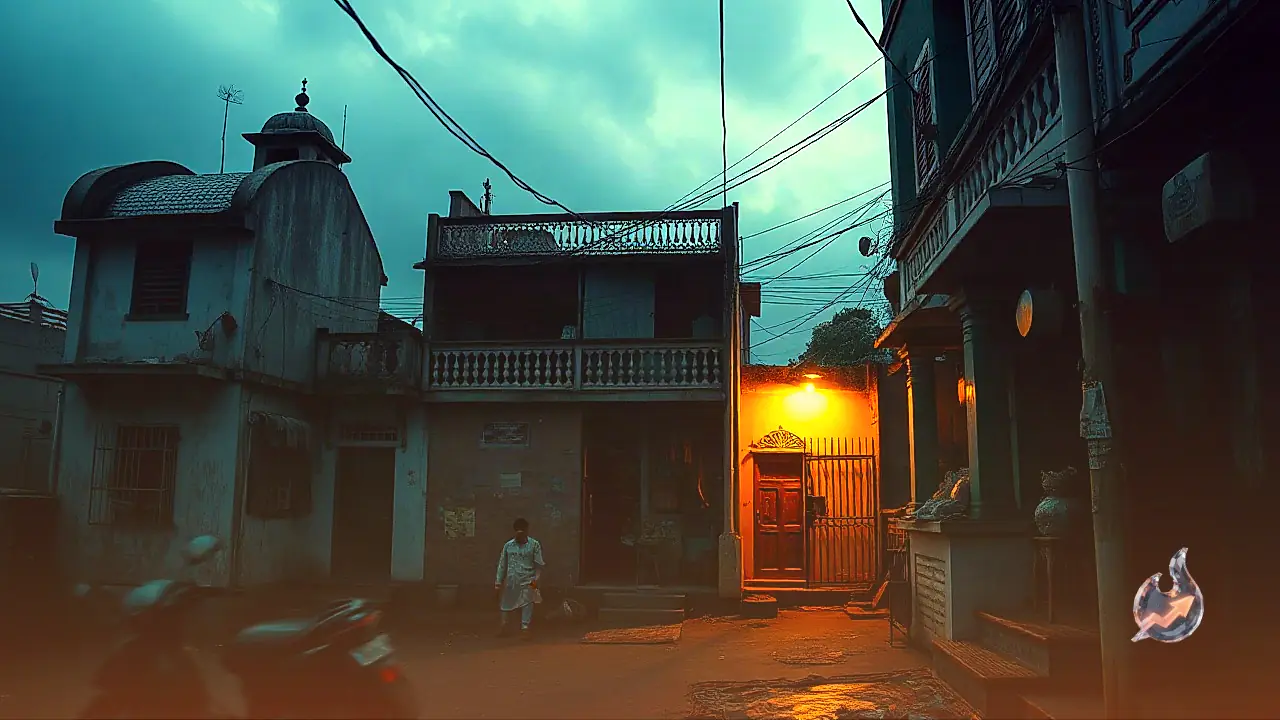
A team of officials from Assam travelled to south Kolkata's Tollygunge locality on Sunday to inspect a three-storey building at 77 B Golf Club Road. Their focus was a single first-floor room, the space where Hazarika lived for several years before he eventually bought the property outright. Leading the delegation was Assam's Additional Chief Secretary, B Kalyan Chakravarthy, who said the matter would now be pursued at the highest level of government. "This is a very important place associated with Bhupen Hazarika," he said, adding that Assam would look at ways to have the room renovated and preserved.
From a rented room to a family home
According to Tridib Sharma of the Assam Association, a group that has been working to keep Hazarika's legacy alive in Bengal, the singer first moved into the first floor of the Golf Club Road building as a tenant. He went on to buy the property in 1981, holding onto it for close to two decades before selling it in the late 1990s once he had relocated to Mumbai.
When music legends gathered under one roof
Sharma recalled that the house was once far more than a private residence, it functioned almost like a cultural address in Kolkata, drawing some of the biggest names of Indian music of that era. Singers such as Lata Mangeshkar and Manna Dey were known to visit Hazarika there, he said. "This was not merely a residence but a platform symbolising how Hazarika was a unifying icon of music," Sharma said, pointing out that the composer moved effortlessly between Assamese, Bengali and Hindi film and folk music, a versatility that won him admirers across language lines.
Multiple owners, one complicated puzzle
Turning the site into a memorial, however, is not straightforward. The building is no longer in the hands of a single family, ownership and tenancy are now split among several households, none of whom has any personal connection to Hazarika or his family. During Sunday's visit, the Assam delegation could not even access the upper floors of the building because of this fragmented ownership, and had to confine its inspection largely to what could be seen and discussed from outside and on the ground floor. Any preservation plan will therefore have to navigate multiple stakeholders before a single brick can be touched, a challenge officials acknowledged even as they pressed ahead with the visit.
An earlier attempt that did not go far
This is not the first time the idea has come up. Sharma said former Assam chief minister Sarbananda Sonowal had, at an earlier point, shown interest in starting the process of setting up a memorial at the same address, but that effort could not be taken forward at the time. The building's occupants and shared ownership have remained the central obstacle ever since.
Hope pinned on West Bengal's cooperation
With the centenary year underway, attention has turned once again to whether the state governments can work together to acquire the room. Sharma said the Assam Association hoped the Suvendu Adhikari-led government in West Bengal would step in to help acquire the room and clear the way for a memorial developed jointly with Assam. Chakravarthy echoed that hope, saying he expected Assam and West Bengal to be able to draw up a joint strategy to protect Hazarika's former first-floor living space and, eventually, convert it into a memorial.
A voice that crossed every boundary
Chakravarthy described Hazarika as an artist whose work transcended social, linguistic and cultural barriers, and said his legacy deserved to be preserved with proper respect. "Hazarika's music transcended linguistic and social boundaries," he said, noting that the singer's songs, spanning many languages, consistently brought different communities together and reflected a spirit that rose above caste, creed and religion. The official also pointed to Kolkata's long-standing place as one of India's leading centres of art and culture, arguing that the city carried a special responsibility to protect sites connected to Hazarika. He called it unfortunate that the very room where one of Bengali music's great singers had once lived was now sitting in a decrepit state, and said that given Hazarika's deep affection for Bengal, its people and its culture, the city owed him due respect, especially since the singer continues to command millions of admirers. Chakravarthy confirmed that the Assam government would formally take up the matter with the West Bengal administration.
Part of a year-long tribute
The Tollygunge visit comes in the middle of a series of year-long programmes being held across the country to mark Hazarika's 100th birth anniversary. His body of work, rooted heavily in folk traditions and spanning Assamese, Bengali and Hindi music, continues to hold a central place in the cultural life of both Assam and Bengal, while his broader influence stretches across the Indian subcontinent. For officials involved in the current effort, the centenary year is being seen as a rare window to finally settle the fate of a room that has sat neglected for decades despite its deep connection to one of India's most celebrated musical figures.