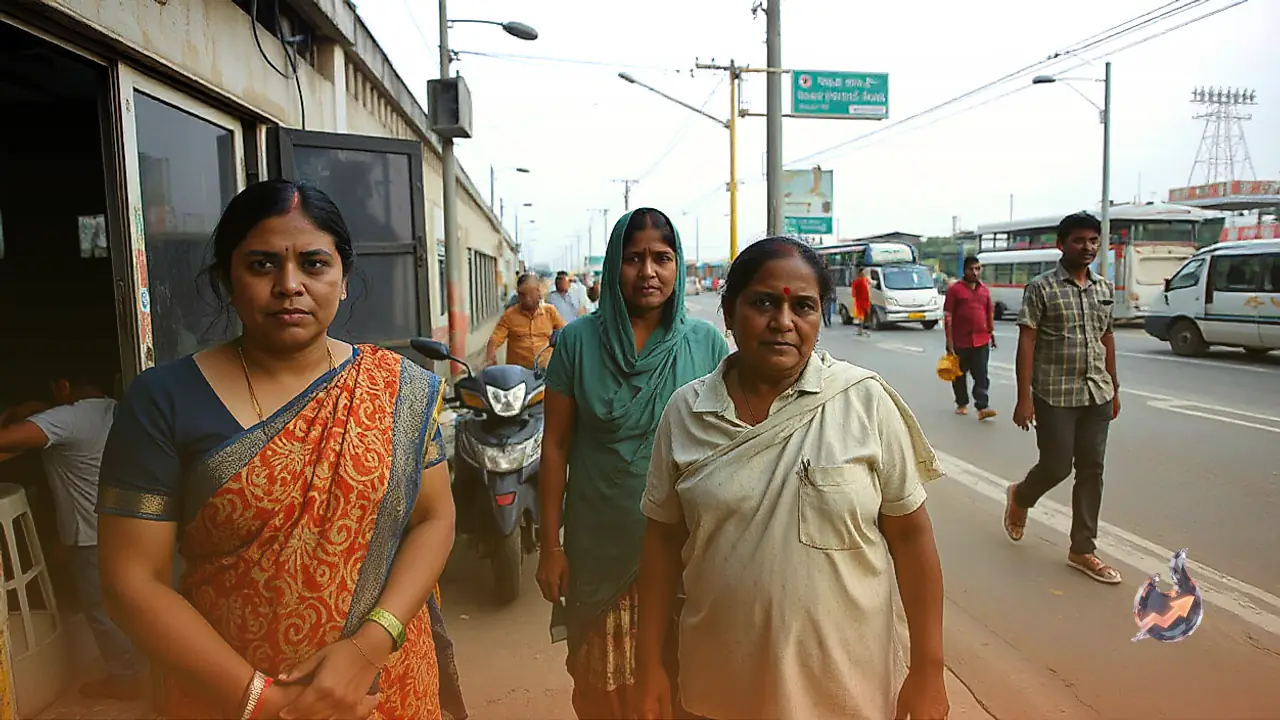


















The Gauhati High Court has invalidated the detention order issued under the National Security Act against indigenous rights campaigner Pranab Doley, clearing the way for his discharge after spending 117 days in confinement. Advocates representing Doley confirmed that the court set aside the preventive detention order, enabling him to leave custody, with his release anticipated around November 7 or 8.
Flaws Identified in the Detention Order
During the legal proceedings, Doley's legal counsel, Dipesh Agarwala, presented arguments before a division bench of the high court challenging the state's action. The court highlighted multiple critical procedural and substantive defects in the detention order. Specifically, the bench noted the absence of any direct or proximate connection between older criminal proceedings registered against Doley and the decision to invoke preventive detention. Furthermore, the authorities failed to supply all essential documentations to the activist to allow a proper defense, and they neglected to evaluate his second representation contesting his custody under the statutory framework.
Protests Against the Luxury Hotel Project
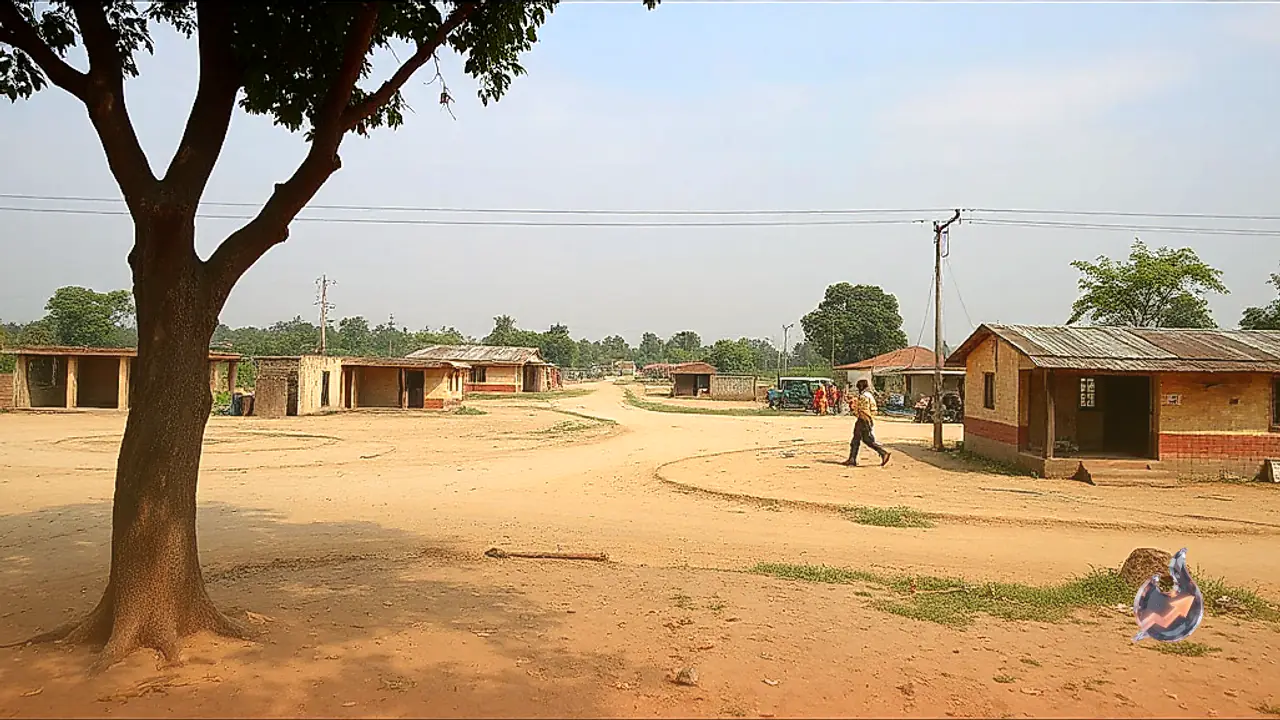
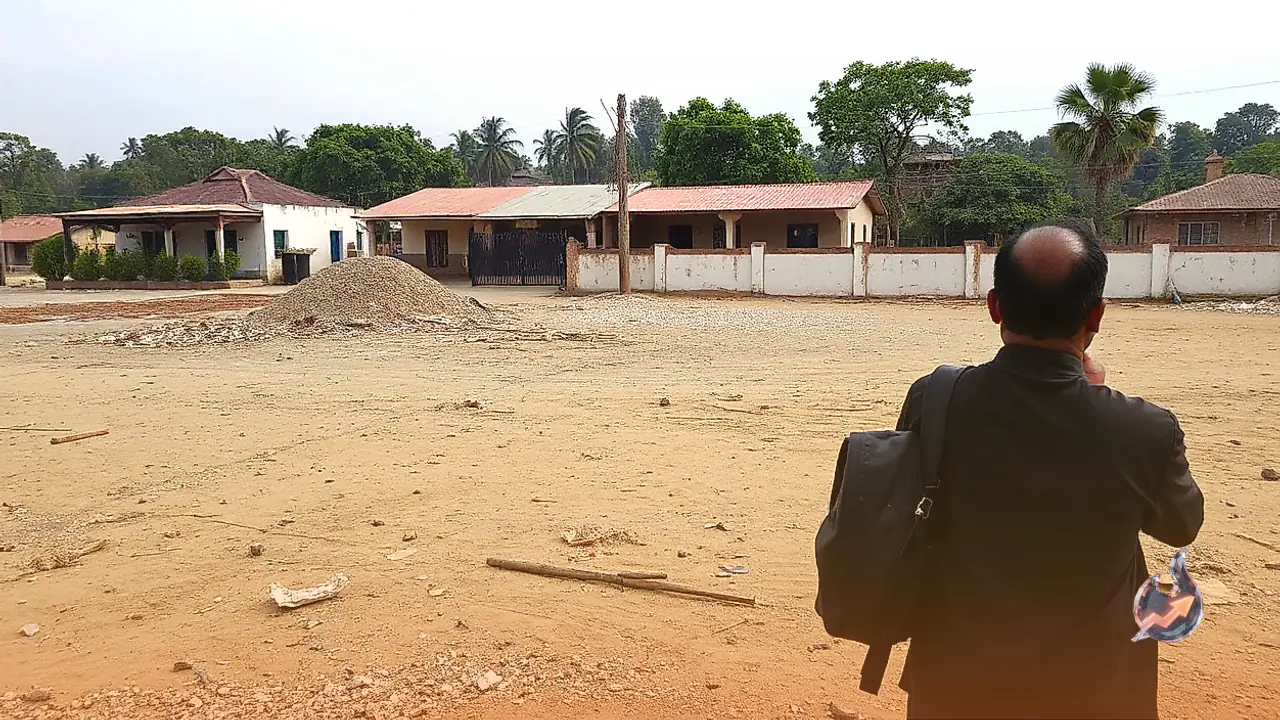
Doley, who serves as the convener of the Greater Kaziranga Land and Human Rights Protection Committee, was initially taken into custody on July 12. His arrest followed his participation in public demonstrations against a proposed luxury Hyatt hotel development at Ingle Pathar, a village situated right along the boundary of Kaziranga National Park. Local indigenous groups have actively voiced opposition to this five-star resort development for over four years, citing significant concerns regarding the potential loss of traditional land rights, environmental disruption near the UNESCO World Heritage Site, and damage to local livelihoods.
Chain of Events and Bail Order
The police had accused Doley of trespass and carrying dangerous weapons while entering the grounds of the Tea Tribes Museum and the adjoining site allocated to the Assam Tourism Development Corporation for the hotel initiative. Following his arrest, a sessions court located in Golaghat granted him bail on July 29, observing that police investigators had already documented key witness testimony, making evidence tampering or flight risk unlikely. However, just one day later, on July 30, the state government invoked the National Security Act to prevent his discharge from prison. State authorities justified the move by claiming Doley was linked to suspicious foreign financial transactions originating from questionable sources in violation of the Foreign Contribution (Regulation) Act.
Widespread Advocacy and Civil Society Support
Under the National Security Act, authorities hold powers to detain an individual preventively without formal trial for up to 12 months, provided prescribed legal reviews are followed. Doley's prolonged imprisonment triggered widespread condemnation across local, national, and international platforms. Over 60 civil society organizations, trade unions, and human rights bodies jointly demanded the immediate revocation of his NSA detention order. Additionally, solidarity calls emerged internationally, with 26 indigenous communities from Kenya uniting to demand his release.