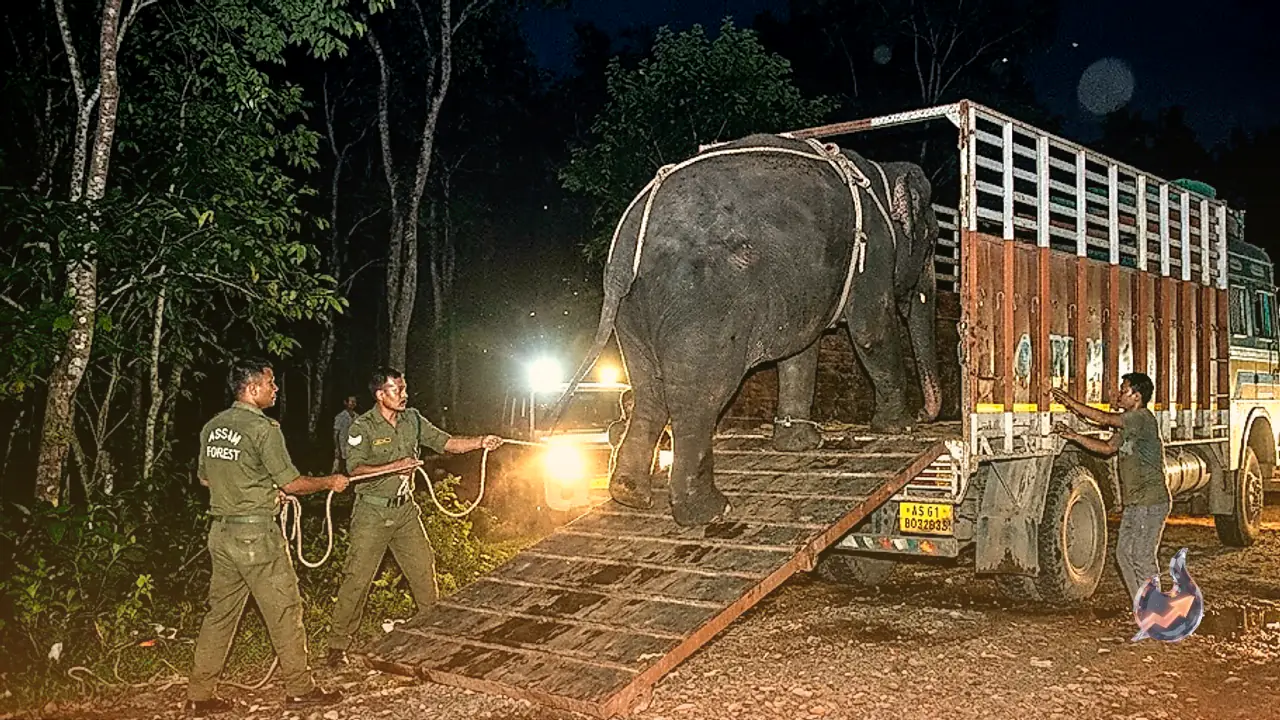

















A quiet late-night operation at Manas National Park in Assam has sparked strong opposition among wildlife advocates after a captive female elephant named Durga was reportedly loaded onto a transport vehicle and moved out of the sanctuary. The nocturnal movement occurred on the night of September 7, raising pressing concerns regarding procedural transparency, official authorization, and the welfare of the animal during long-distance transit.
Mysterious Transit and Vehicle Details
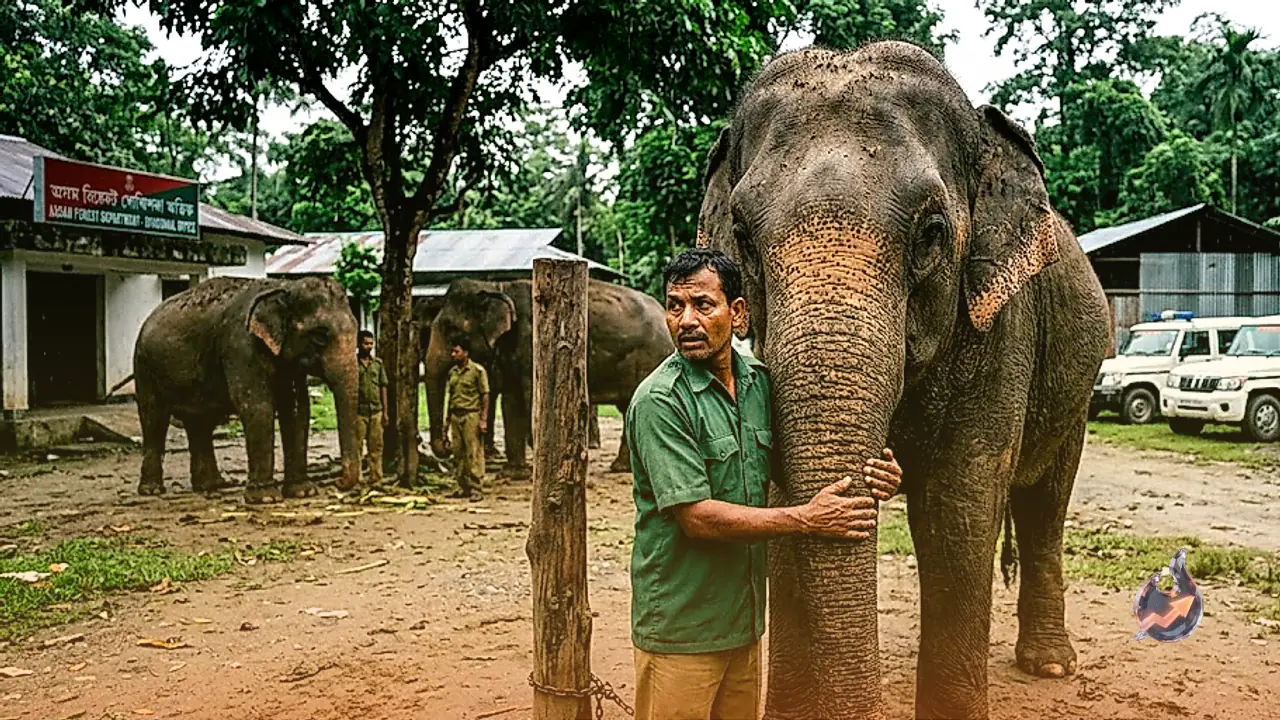
Durga was one of three elephants residing inside the protected habitat of Manas National Park. On September 7, eyewitnesses and local observers noted her being loaded onto a commercial truck bearing registration number DD 01 A 9525. Informants indicate that the heavy vehicle was dispatched on a route leading toward Kerala. Wildlife experts and environmental activists immediately raised alarm over the lack of official disclosures, demanding clarity on which authority sanctioned the movement and under which legal provisions of wildlife conservation acts the transfer was conducted.
Leadership Transition and Broader Transfer Plans
This controversy unfolds roughly four weeks after Sonali Ghosh assumed charge as the director of Manas National Park, having previously served at Kaziranga National Park. The movement of Durga appears linked to a larger relocation strategy involving five captive elephants from the region. The group of animals identified for potential relocation includes Durga, Rupsing, Shiva, Hiralal, and Bijuli. Official arrangements allegedly involve transferring these five elephants to facilities in Tamil Nadu, a proposal that has ignited significant debate over the health risks associated with relocating large mammals across thousands of kilometers.
Legal Interventions and Animal Rights Demands
In response to the proposed transfers, the Centre for Research on Animal Rights (CRAR), India, filed a formal representation urging state authorities to immediately halt the relocation of the five elephants. Alok Hisarwala Gupta, the founder of CRAR, submitted the detailed appeal directly to the Principal Chief Conservator of Forests and Chief Wildlife Warden of Assam. The representation clarifies that the current private handlers are surrendering these elephants primarily due to financial and logistical inability to maintain their upkeep.
Calls for Local Rehabilitation Within Assam
Rather than sending the animals on exhausting inter-state journeys to southern India, Gupta urged the Assam Forest Department to evaluate existing and planned elephant care centers within Assam. CRAR emphasized that the state possesses suitable sanctuary environments and designated rehabilitation facilities capable of housing surrendered elephants. Advocates argue that keeping Durga and her fellow captive elephants in their native ecological environment is essential for their long-term health and psychological well-being.