






















The Indian electric two-wheeler market is experiencing intense competition as manufacturers strive to dominate the family mobility segment. Ather Energy recently launched its most affordable electric scooter yet, the Ather Konarc, featuring an entry-level ex-showroom price of Rs 99,999. Designed to attract price-conscious family buyers, the Konarc directly challenges the TVS iQube, an established contender known for its reliability and multiple battery configurations. Both vehicles cater to daily urban commutes, but they diverge significantly in pricing, range options, safety systems, and overall technology.
Build Quality and Chassis Design
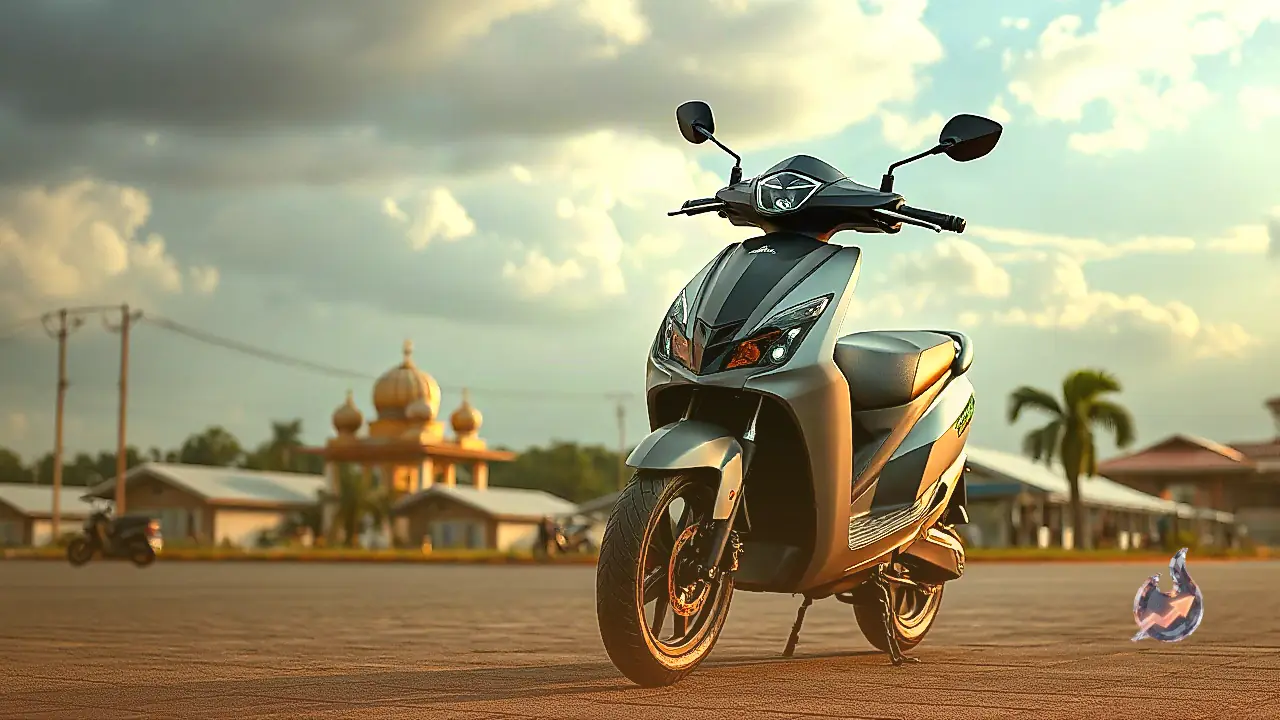
In terms of structural engineering, both brands take noticeably different approaches. The Ather Konarc features a steel unibody chassis paired with metal body panels to offer improved durability. It rolls on a 14-inch front wheel and a 12-inch rear wheel, a setup designed to maintain stability across uneven road surfaces. Its wheelbase measures 1352 mm. Conversely, the TVS iQube utilizes a conventional tubular frame with 12-inch wheels on both ends. While the iQube sports a familiar, family-friendly design language, the Konarc opts for a more modern and premium aesthetic.
Smart Features and Display Tech
On the feature front, the Konarc includes Ather Connect along with a DeepView display, which measures 4.2 inches in the base variant and 7 inches in upper trims. It comes equipped with Park Assist for reversing, AutoHold functionality, an onboard 450W charger, and a USB charging port. In comparison, the TVS iQube offers a TFT display, turn-by-turn navigation, Bluetooth connectivity, reverse mode, and geo-fencing capabilities. Higher variants of the iQube provide a broader set of connected smart features.
Safety Gear and Braking Efficiency
Safety technology presents a key area of differentiation. Ather has fitted the Konarc with an Advanced Electronic Braking System (AeBS), which enhances stopping force while minimizing the risk of wheel lockup. It is equipped with a front disc and rear drum brake setup alongside IP67 protection for core electrical components. The TVS iQube also carries a disc-drum setup and standard safety equipment, though it lacks ABS or advanced electronic braking enhancements.
Battery Variants, Range, and Performance
Battery and performance options vary across both lineups. The Ather Konarc S 100 carries a 2.1 kWh battery providing a 100 km IDC range, the S 125 variant packs a 2.7 kWh battery offering a 125 km IDC range, and the S 161 features a 3.5 kWh battery with a 161 km IDC range. Powered by a PMSM motor, it produces peak power between 4 and 4.7 kW alongside 16 Nm of torque, reaching a top speed of 70 km/h. On the other hand, the TVS iQube starts with a 2.3 kWh battery delivering a 114 km range, followed by a 3.5 kWh option with 145 km range, a 4.7 kWh variant offering 175 km range, and a top-tier 5.3 kWh variant reaching a 212 km range. Driven by a BLDC motor delivering 4.4 kW peak power across most trims, the iQube achieves a higher top speed of 82 km/h.
Verdict: Choosing the Right Scooter
Buyers prioritizing a competitive entry price, fresh safety tech, and modern styling will find the Ather Konarc an attractive deal. However, those seeking higher top speeds, maximum range choices, and a deeply established service footprint may prefer the TVS iQube lineup. Selecting the ideal model ultimately depends on daily distance requirements and individual budget limits.