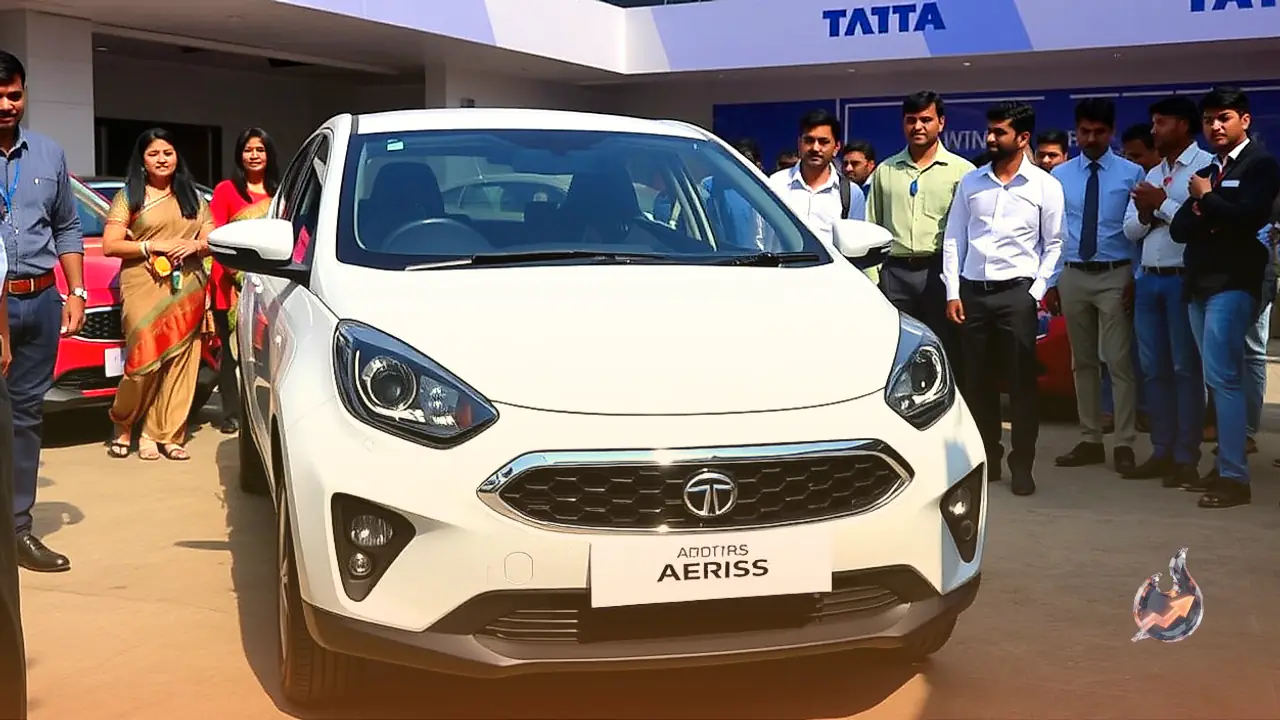






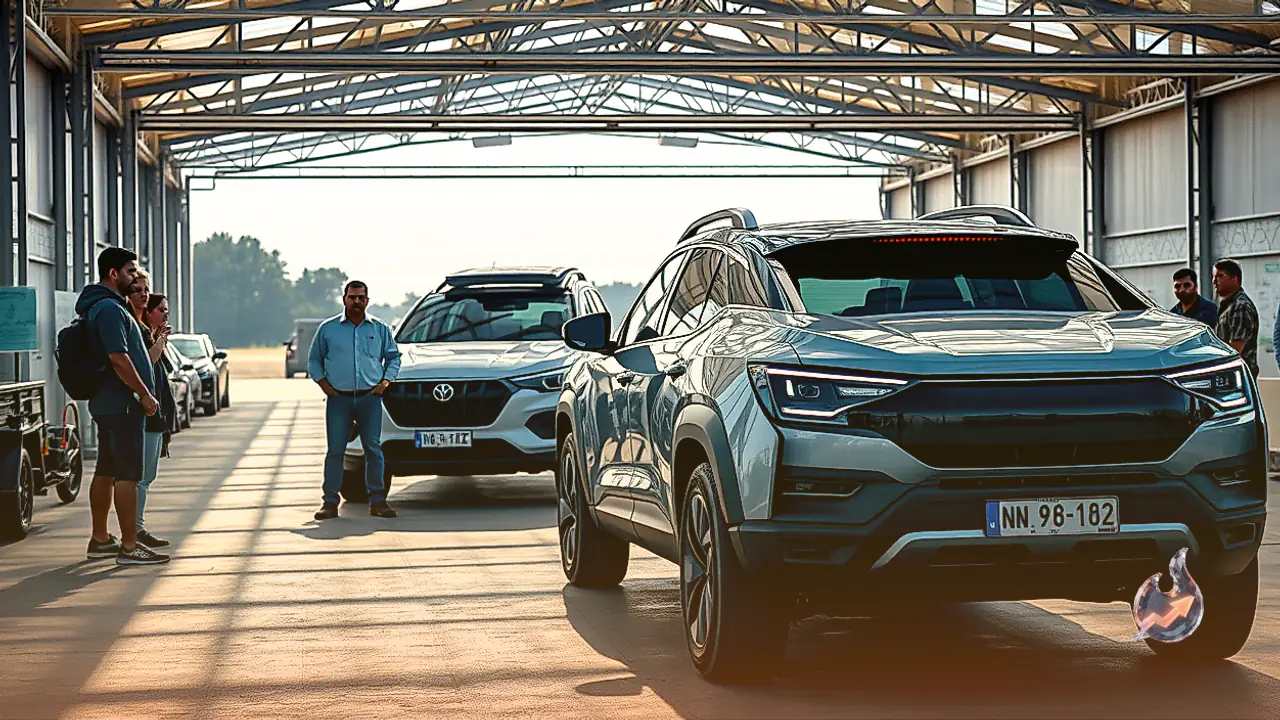
















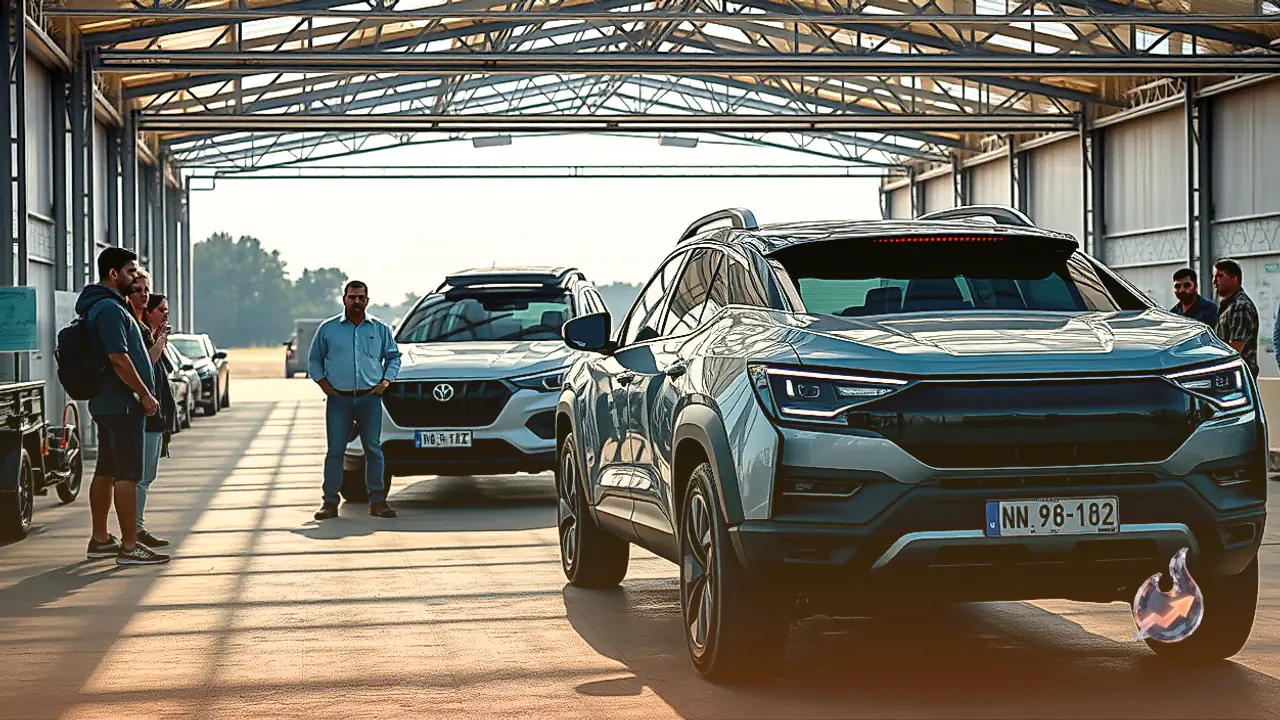

Competition in the Indian automotive landscape is intensifying as two major contenders vie for supremacy in the premium mid-size electric SUV category. Buyers looking to transition toward cleaner mobility now face a direct decision between the MG Hector Tomahawk EV and the Tata Harrier EV. While both vehicles bring an array of high-tech amenities and modern driving dynamics, their distinct specifications reveal very different value propositions depending on whether a driver prioritizes family utility or performance capability.
Pricing Structures and Acquisition Options
Financial considerations play a major role in separating the two rivals, with the MG Hector Tomahawk EV presenting a lower barrier to entry. Showroom pricing for the Tomahawk starts at ₹19.49 lakh and climbs up to ₹23.49 lakh. MG also offers a Battery-as-a-Service plan that reduces the upfront sticker price to ₹13.99 lakh, giving budget-minded buyers considerable flexibility. In contrast, the Tata Harrier EV enters the showroom floor with a base pricing tier of ₹21.49-21.69 lakh, eventually stretching to ₹28.99-30 lakh for its top-spec configuration. This structure positions the Harrier EV as a distinctly more expensive alternative across both lower and higher trim tiers.
Exterior Dimensions, Platform Size and Cabin Seating
In physical road footprint, the Hector Tomahawk EV carries larger exterior measurements. It stands 4,745 mm in overall length, sits on a 2,810 mm wheelbase, and reaches a height of 1,770 mm. Visually, it features a prominent front grille, sleek LED headlights, and wrap-around tail lamps. Its standout practical attribute is cabin configuration, offering both 5-seater and 7-seater arrangements to suit varying family requirements. Meanwhile, the Tata Harrier EV is restricted solely to a 5-seater cabin layout. Measuring 4,607 mm long with a 2,741 mm wheelbase, the Harrier echoes the stance of its internal combustion sibling, adding an enclosed front panel and aerodynamic alloy wheels for an updated electric identity.
Interior Appointments, Digital Displays and Comfort
Cabin refinement is heavily emphasized in both machines, though their multimedia packages differ. The Tomahawk features a central 15.6-inch touchscreen interface paired with an 8.8-inch driver digital cluster, alongside an expansive panoramic sunroof, ventilated front seats, and an ambient lighting setup supporting 256 color shades. Generous interior volume is especially noticeable throughout the 7-seater model. Across the aisle, the Harrier EV counters with a 14.5-inch Samsung Neo QLED infotainment display, a 10.25-inch instrument cluster, ventilated and powered seating, a rear Boss Mode mechanism, and a premium JBL sound setup. Rear passenger room and structural fitment remain solid highlights in the Tata offering.
Convenience Features and Connected Technologies
Both models come equipped with wireless Apple CarPlay and Android Auto integration, wireless mobile charging pads, smart connected-vehicle software, and hands-free powered tailgates. Beyond shared staples, the Tomahawk stands out with Vehicle-to-Home power supply support, gesture control functionality, and specialized cabin climate modes. On the other side, the Harrier EV incorporates intelligent automated systems such as Auto Park Assist, remote Summon Mode, a 540-degree camera surround perspective, and a digital rearview mirror.
Safety Architecture and Crash Evaluation Ratings
Occupant protection features prominently in both manufacturer portfolios. The Tomahawk comes equipped with 6 airbags, electronic stability control, a tire pressure monitoring system, and Level 2 ADAS on its top trim, bringing automated driving aides like adaptive cruise control and lane keep assist. The Harrier EV matches this with a complement of 6-7 airbags, Level 2 ADAS capabilities, and a comprehensive 360/540-degree camera feed. Most notably, the Harrier EV holds a certified 5-star crash test rating from Bharat NCAP, conferring an extra layer of verified structural assurance.
Powertrain Specifications, Acceleration and Real-World Range
Performance metrics provide the clearest mechanical contrast between these electric alternatives. The Tomahawk houses a 69.2 kWh lithium iron phosphate battery linked to a front-mounted motor generating 204 hp and 310 Nm of torque. It achieves an official claimed range of 517 km, sprints from 0 to 100 km/h in 8.2 seconds, and handles 90 kW DC fast charging that moves the battery from 30 to 80 percent in approximately 35 minutes. By comparison, Tata provides greater versatility with 65 kWh and 75 kWh battery packs. The 65 kWh setup yields a claimed 538 km range, while the 75 kWh option pushes endurance to 627 km in rear-wheel drive and 622 km in all-wheel drive. Rear-wheel models deliver 238 hp and 315 Nm, whereas the dual-motor all-wheel drive setup unleashes 313 hp alongside 504 Nm of torque. This powertrain catapults the Harrier from 0 to 100 km/h in roughly 6.3 seconds, supported by 120 kW rapid charging capacity.
Ultimately, the Hector Tomahawk EV delivers a pragmatic proposition focused on lower pricing, multi-row flexibility, and household bidirectional power flow. Those demanding high-speed acceleration, extended driving margins, all-weather traction through AWD, and verified crashworthiness will gravitate toward the Harrier EV.