






















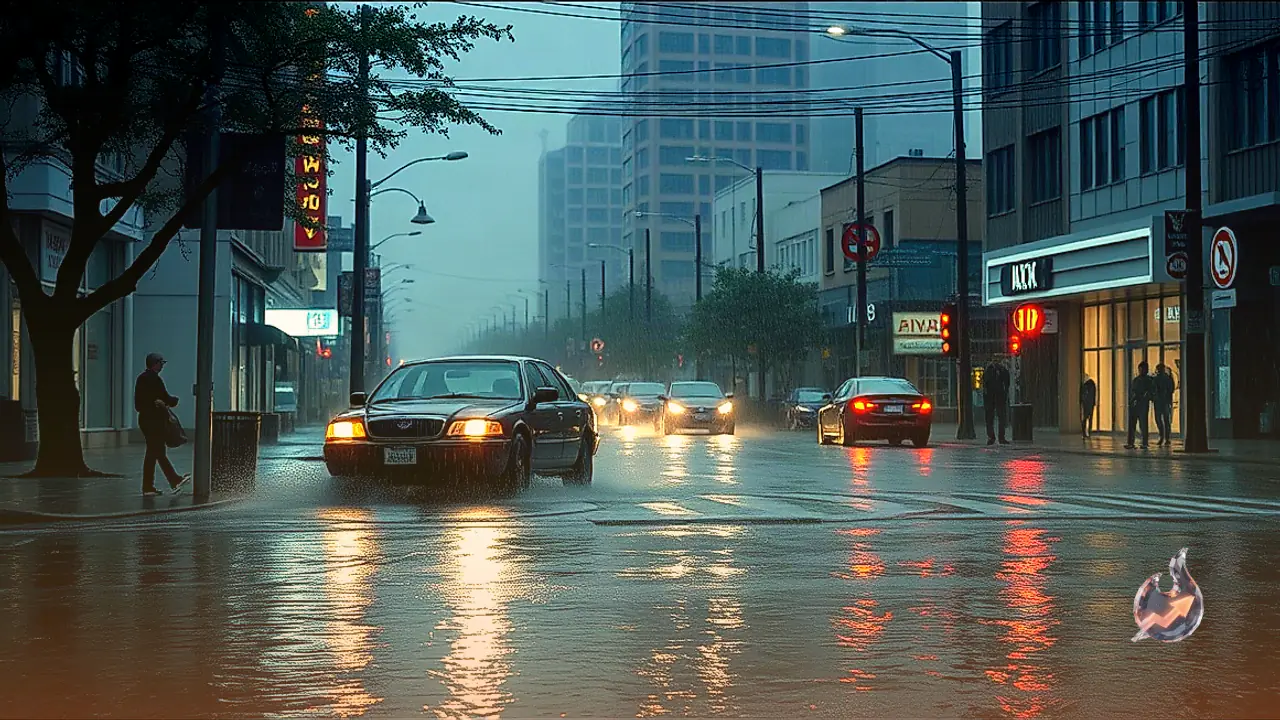

Waterlogging on roads during the rainy season is a common occurrence. Sometimes, rising water levels cause cars to stall right in the middle of the road. In such situations, panicking and repeatedly trying to restart the vehicle can prove to be very damaging. Water can seep into the engine, electrical systems, and other vital components. Therefore, prioritize your safety in such scenarios and take a few essential steps.
Avoid Trying to Restart the Engine
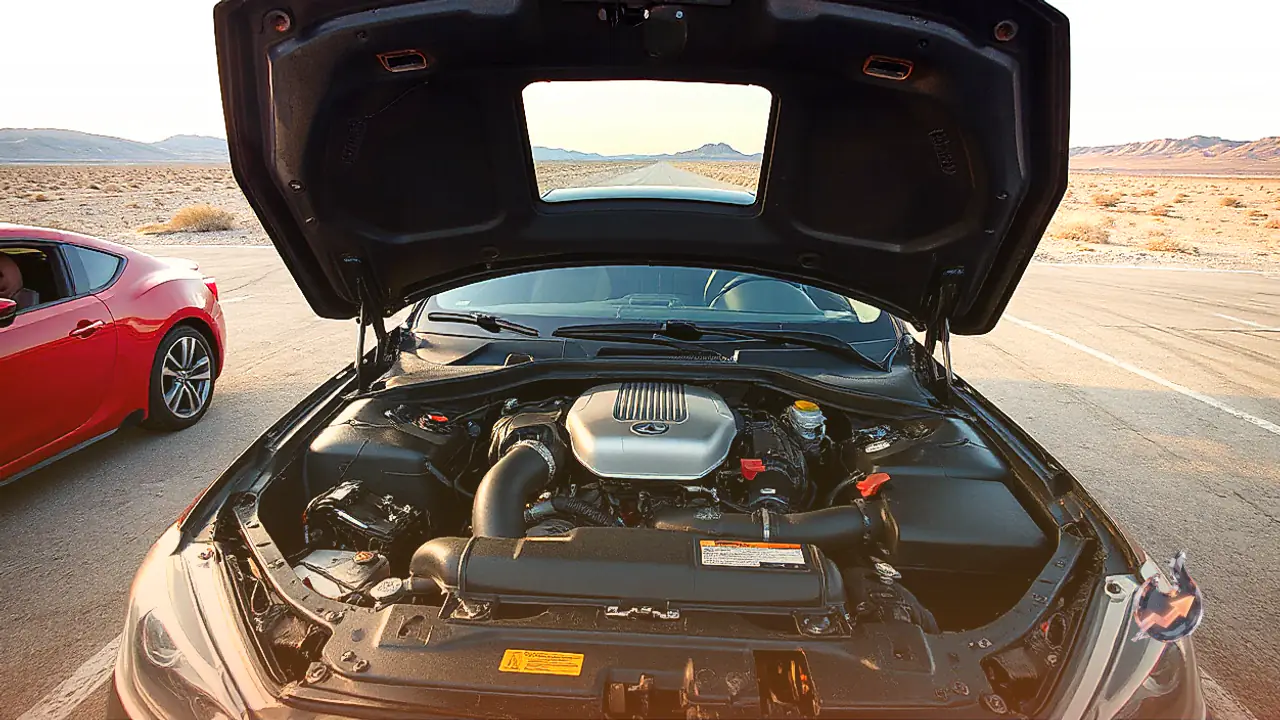
If the engine stalls while driving through water, the most crucial thing to remember is not to attempt restarting it repeatedly. If water has entered the engine air intake, cranking the engine again can cause massive damage. Stop the vehicle right there and assess the situation carefully.
Check the Water Level and Surroundings
Before stepping out of the car, gauge the depth and current of the water. If the water current is strong, do not attempt to step into it. If the water level is rising rapidly or the car is stuck in an unsafe location, exiting to safety must be your top priority.
Exit the Vehicle Safely When Necessary
If water is filling up inside the car quickly and stepping outside is safe, unbuckle your seatbelt and get out. Prioritize moving children and elderly passengers to a safe place first. However, keep in mind that wading into fast-flowing water can be extremely dangerous.
Call for Roadside Assistance or Help
Instead of trying to push the car out of the water by yourself, seek roadside assistance or professional help. If the car has remained submerged for a long time, getting it inspected by a mechanic is the best course of action. Along with the engine, components like the brakes, battery, and electrical system may also require a thorough check.
Tow the Vehicle to a Safe Location
Even if the water level appears to have receded slightly, do not attempt to drive the car immediately. If the engine has stalled, starting it again only after a professional inspection is the safest option. Often, towing the car to a safe spot is the wisest decision.
Prevention and Safe Driving Practices
Avoid driving at high speeds on waterlogged roads, tailing other vehicles too closely, and taking your car into deep water without knowing its depth. During heavy downpours, opting for a longer and safer route instead of trying to cross unknown, flooded areas is always the better choice.