























Finding an economical, comfortable, and dependable two-wheeler for daily office travel remains an ongoing puzzle for city commuters. Within the Indian two-wheeler space, the 125cc segment commands the highest interest because it strikes a practical equilibrium between fuel economy and usable power. When office workers face the dilemma of picking between 125cc commuter motorcycles, such as the TVS Raider 125, Honda Shine 125, or Hero Glamour, and 125cc automatic scooters, like the Suzuki Access 125, TVS NTORQ 125, or Honda Activa 125, the choice goes far beyond personal lifestyle preferences. The real decision rests on road conditions, cargo requirements, and the sheer density of metropolitan traffic. Assessing whether clutch-free riding outweighs fuel thrift and rough-road stability requires a closer inspection of how both vehicle types behave in everyday office conditions.
Handling Stop-and-Go Traffic and Rider Ergonomics
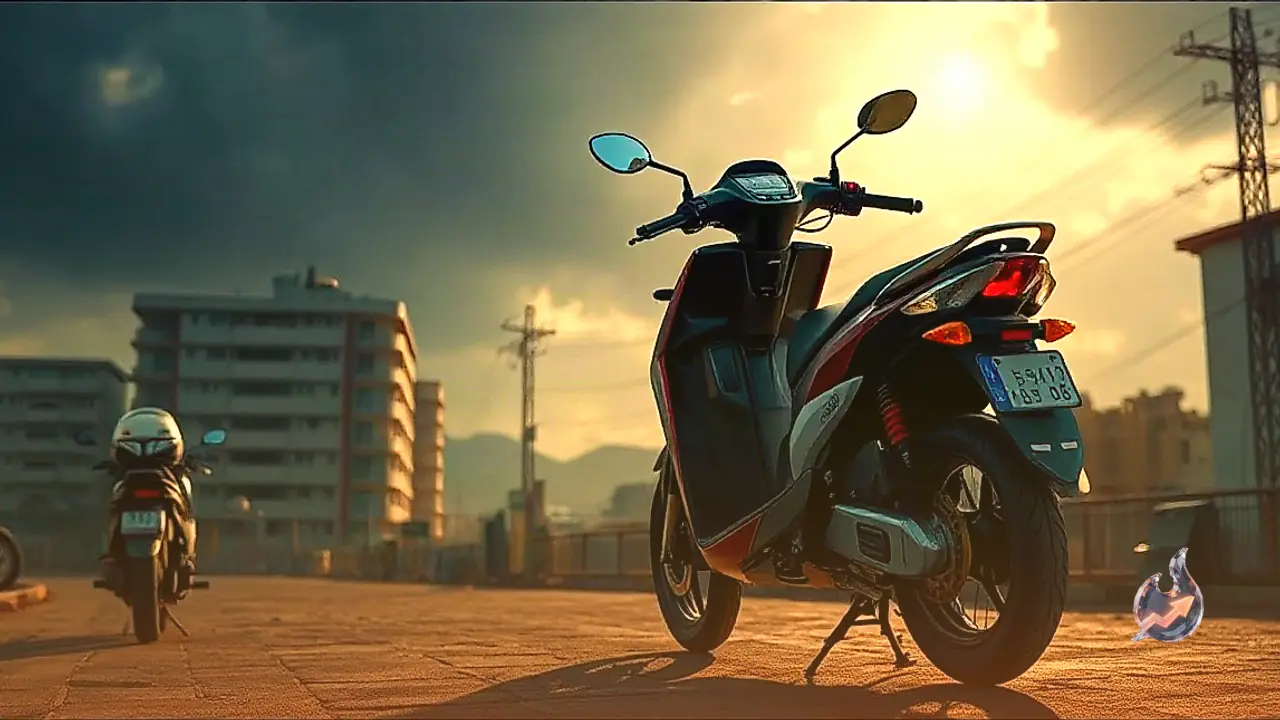
During peak office hours when roads turn into bumper-to-bumper crawl, scooters offer unmatched ease. Equipped with continuous variable transmission, or CVT, an automatic scooter eliminates the repetitive fatigue of pulling the clutch lever and shifting gears. The rider can rest both feet comfortably on the footboard, substantially reducing physical exhaustion during protracted traffic jams.
Conversely, operating a manual clutch and foot shifter on a motorcycle through clogged intersections can quickly become tiresome. However, motorcycles counter this drawback with structural advantages. Thanks to their larger 17 to 18-inch wheels paired with long-travel suspension setups, commuter bikes soak up deep potholes and abrupt speed bumps far more effectively. This cushioned ride protects the commuter's lower spine and lumbar region across damaged urban tarmac.
Carrying Office Bags and Cargo Convenience
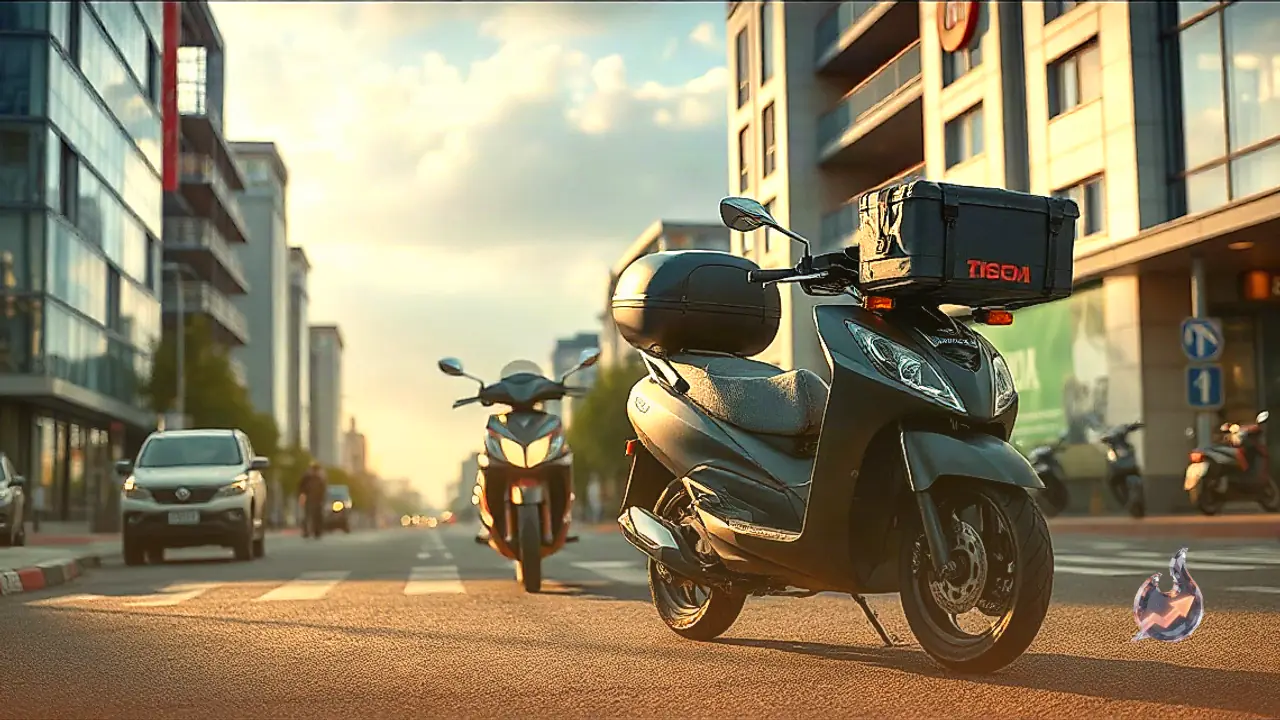
For daily professionals carrying work essentials, automatic scooters deliver superior utility. The built-in under-seat compartment provides dedicated, weather-protected space to stow a laptop backpack, raincoat, lunch box, or an extra helmet. Furthermore, the wide flat footboard serves as an adaptable platform to transport grocery bags or office supplies without burdening the rider's posture.
Motorcycles present definite limitations in carrying daily belongings due to their lack of integrated storage. Commuters must keep work backpacks strapped to their shoulders throughout the ride, putting sustained strain on the upper back and neck during daily journeys spanning 20 to 30 kilometers. Adding an external aftermarket side luggage box remains the only viable workaround for motorcycle riders seeking relief.
Fuel Economy, Fuel Bills, and Commuter Budgets
When daily commuting distances stretch between 20 to 30 kilometers or more each way, a 125cc commuter motorcycle proves gentler on the monthly budget. In typical mixed urban conditions, 125cc motorcycles consistently return fuel economy figures between 55 and 65 kilometers per liter, keeping recurring running costs low.
Automatic 125cc scooters, held back by transmission frictional losses, generally manage between 45 and 52 kilometers per liter under comparable conditions. For long-distance office commuters, that difference accumulates into noticeably higher monthly petrol bills over the course of an entire working year.
Maintenance Overheads and Household Versatility
From an upkeep standpoint, commuter motorcycles feature open and uncomplicated architecture. Mechanics can directly access core engine and chassis parts, making periodic servicing, chain lubrication, and component replacements inexpensive. Scooters, on the other hand, are enveloped in comprehensive fiber body panels. Routine maintenance and minor accident repairs often demand stripping down external bodywork, resulting in higher labor costs and replacement panel bills.
Family utility introduces another layer of practicality. An automatic scooter can be operated effortlessly by diverse members of a household, including spouses, seniors, or young adults. The technical coordination needed to handle a manual motorcycle gearbox and clutch makes bikes less accessible across the family.
Matching Vehicle Choice to Your Daily Commute
If your daily office journey remains within a 15 to 20-kilometer radius characterized by frequent traffic signals, congested roundabouts, and the need to carry work gear effortlessly, a 125cc automatic scooter remains the sensible choice. On the contrary, if your daily run extends beyond 25 to 30 kilometers across broken suburban stretches where maximizing petrol savings and protecting your back are top priorities, investing in a 125cc commuter bike provides the better financial and physical return.