





















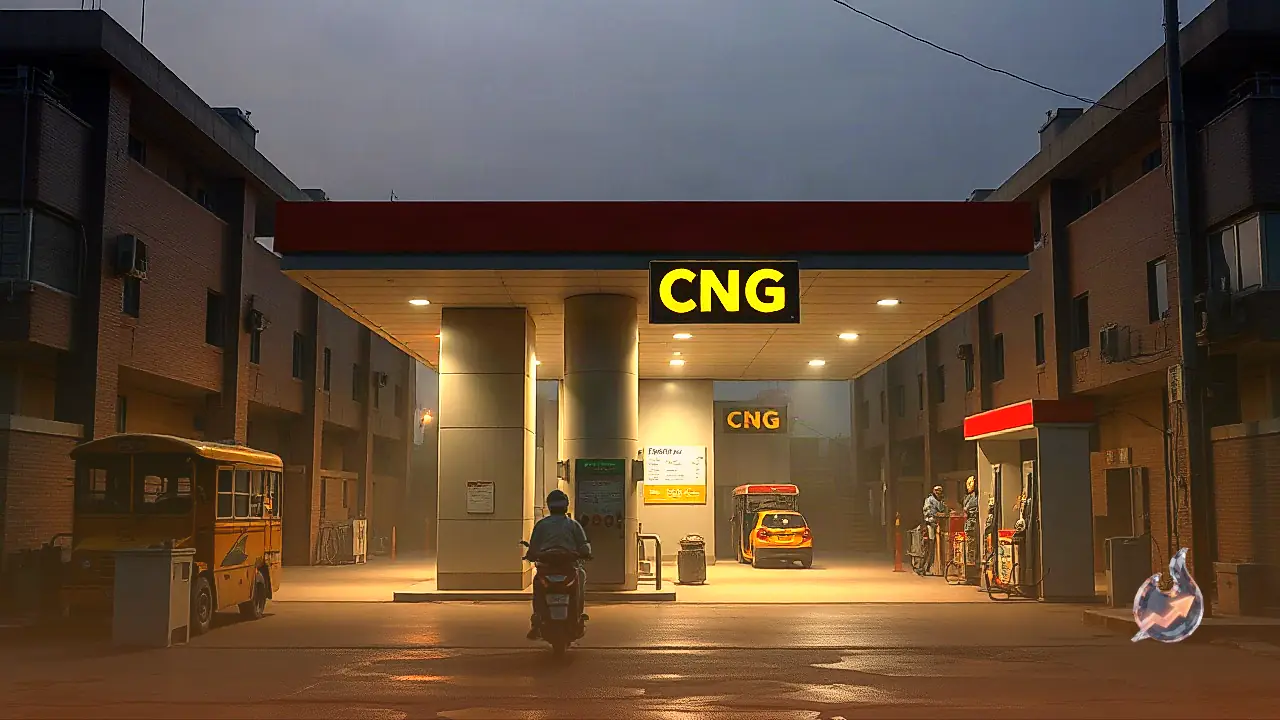

Refueling CNG vehicles across the Delhi-NCR region has become significantly more stringent following fresh compliance measures by Indraprastha Gas Limited. The city gas distribution firm has issued direct and uncompromising orders to all operating CNG stations, making the presentation of two specific verification documents mandatory. Moving forward, no vehicle will receive fuel unless the driver presents both a valid vehicle compliance plate and a certified cylinder hydro test document before refueling begins.
Tightened Scrutiny Following Tikri Kalan Incident
The catalyst behind this rigorous verification enforcement was an accident at a CNG dispensing station in Tikri Kalan involving a vehicle. Immediately after the mishap, Indraprastha Gas Limited initiated a sweeping review of cylinder safety standards and inspection protocols across its fuel retail network. Initial inspections uncovered that numerous operating vehicles were running with outdated, invalid, or non-compliant test plates. While pump attendants previously dispensed gas after merely checking the physical plate mounted on the car, the safety protocol now requires cross-checking the actual physical paperwork and test records on the spot.
Station Inspections and Penalties Against Six Outlets
To ensure that the directive is implemented without lapses, company executives have been conducting unannounced on-ground inspections at various fueling stations. The inspection teams are actively monitoring whether pump attendants verify both the metal plate and the printed paper certificate for every single vehicle in the queue. Enforcing this level of discipline has already resulted in regulatory action against approximately six fuel stations caught bypassing the guidelines. The added scrutiny has lengthened the waiting time per vehicle, triggering heated arguments between pump staff and vehicle operators across multiple locations.
Understanding the Hydro Test and Its Validity Period
The hydro test serves as an essential structural integrity and safety examination for pressurized gas containers. The testing procedure involves subjecting the CNG cylinder to exceptionally high hydraulic pressure to measure metal fatigue, detect micro-leaks, and evaluate whether the container can safely withstand operating pressures. Once a cylinder successfully clears this rigorous inspection, an authorized center affixes an updated compliance plate to the vehicle and issues a verified testing certificate.
Vehicle owners must note that every CNG cylinder hydro test carries a strict validity period of three years. Once this three-year window lapses, the cylinder must undergo re-testing at a government-approved facility to renew the certification. If either the physical plate or the paper certificate has expired, stations are strictly prohibited from dispensing gas. While the procedure adds an extra administrative step for motorists, it drastically lowers the risk of catastrophic cylinder ruptures on public roads.