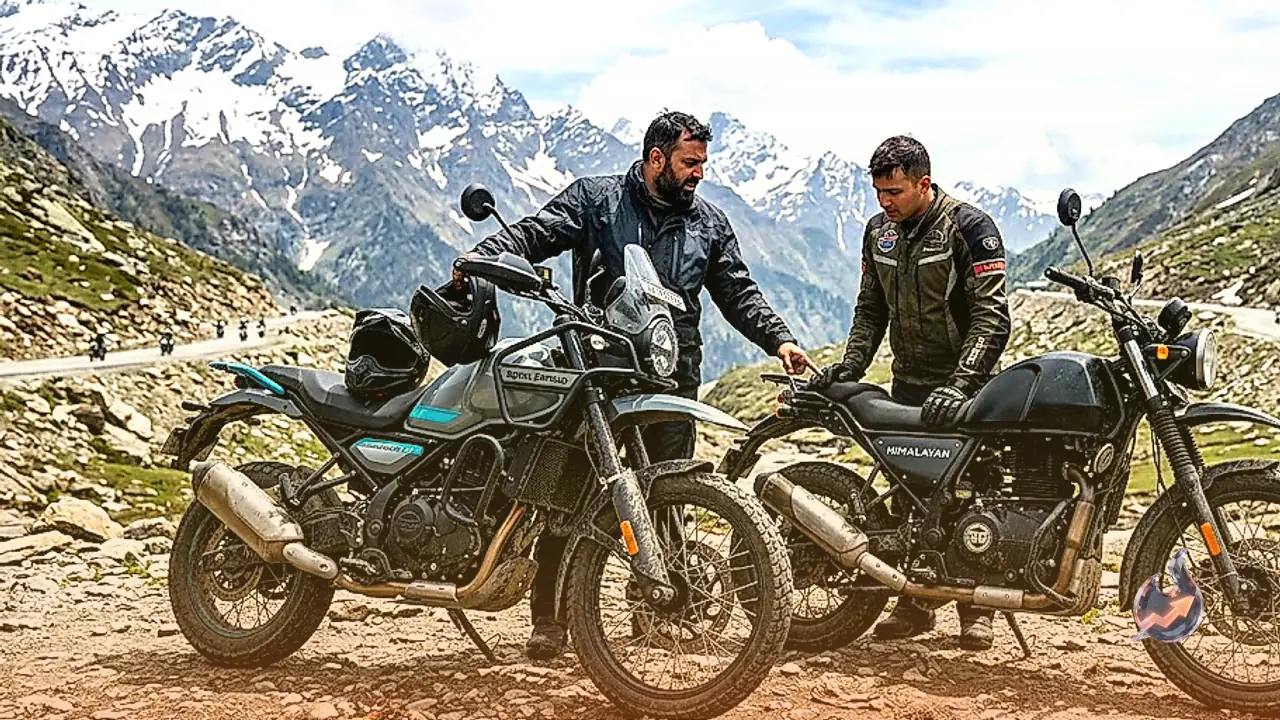






















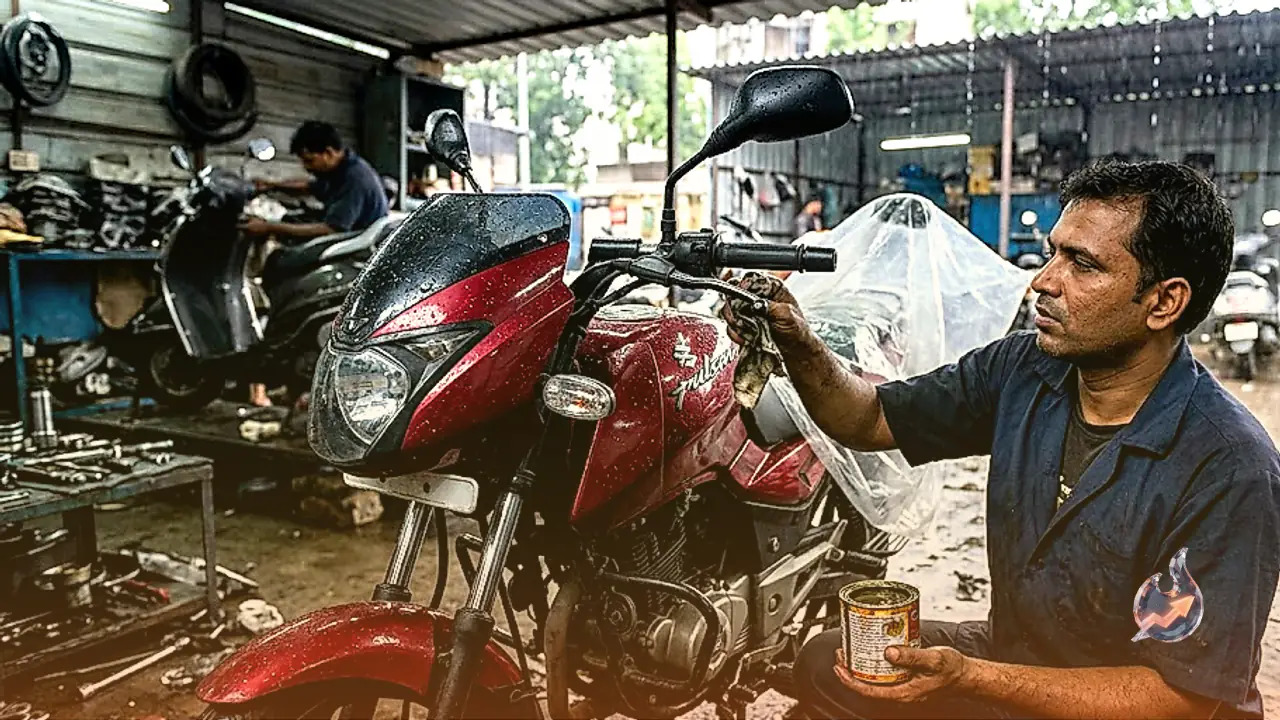

When the monsoon arrives, keeping two-wheelers in peak operational shape turns into a major challenge for daily commuters. Flooded streets, continuous showers, and relentless environmental moisture pose serious risks to the engine, electrical circuits, drive chain, and exterior paint finish. A lack of timely attention often causes metal components to develop rust, reduces braking efficiency, and leads to persistent engine starting failures. Fortunately, applying a few basic care habits safeguards the entire vehicle through the wet season without demanding expensive tools or gear.
Use a Tailored Waterproof Cover
The first line of defense against continuous rain is outfitting the two-wheeler with a high-grade waterproof cover. The cover must fit snugly across the vehicle contours so that heavy downpours cannot seep underneath. Whenever parking, secure the cover tightly around the lower frame to prevent high winds from lifting it, ensuring that moisture and grime stay completely off the exterior panels.
Choose Elevated and Covered Parking Spots
Whenever practical, two-wheelers should be parked under a solid roof, awning, or dedicated parking shed. Leaving a vehicle exposed out in the open allows water to accumulate directly over the battery casing, engine bay, and sensitive components. If covered parking is unavailable, select an elevated spot where rainwater drains away quickly rather than parking in low-lying depressions prone to waterlogging.
Shield Electrical Wiring and Battery Terminals
Moisture buildup in the electrical harness frequently leads to dangerous short circuits and starting issues. Applying WD-40 or a specialized electrical protectant spray directly onto the battery terminals, wiring clusters, and handlebar control switches prevents water intrusion and corrosion. Additionally, inspect the rubber seals around the headlight, taillight, and turn indicators regularly to ensure water does not enter the light housings.
Clean the Drive Chain and Service the Brakes
Riding through muddy water rapidly strips away protective grease from the drive chain. Make it a weekly routine to clean the chain thoroughly and apply fresh chain lubricant. Wet streets also kick up sand and dirt into the brake calipers and discs, which can compromise stopping power. Rinse away accumulated road grit on a regular basis, and coat the brake levers with protective spray to keep them operating smoothly.
Monitor Tire Pressure and Protect the Underbody
Maintaining correct tire pressure during the rainy season is essential for securing adequate grip over slick road surfaces. Apply anti-rust protective sprays along the underbody components and the exhaust muffler to deter rust formation on unpainted metal parts. After completing any journey in the rain, wipe the entire vehicle down with a dry, clean cloth so moisture does not sit on exposed surfaces.