




















A recent hit-and-run crash on Golf Course Road in Gurugram has brought the pressing issue of two-wheeler road safety to the forefront nationwide. In this incident, a motorcyclist named Siya (Shivani Chauhan), who was piloting an expensive performance sports machine, the Aprilia RS 457, was struck by a car that allegedly pursued her. The impact propelled her across the tarmac, causing her to drag along the road surface for several meters and sustain multiple injuries across her arms, legs, and torso. The severity of the event underlines a fundamental reality of motorcycling: owning a high-speed vehicle requires an equal commitment to personal physical protection.
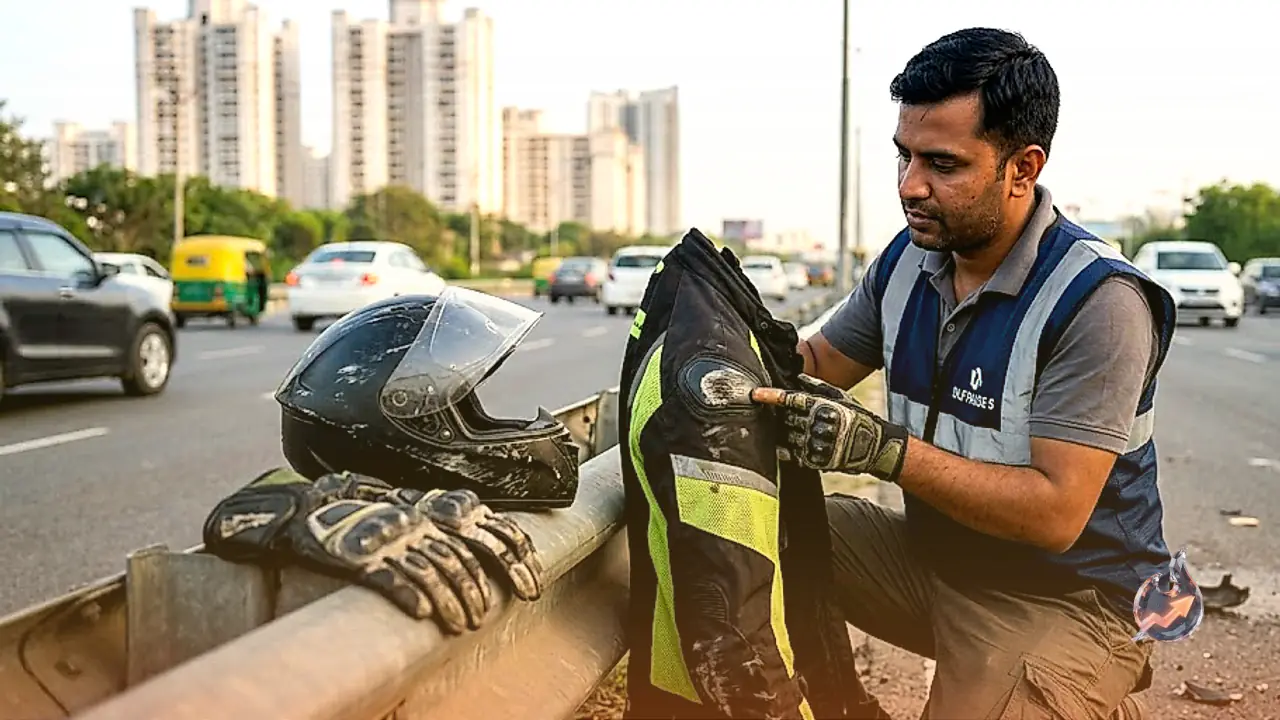
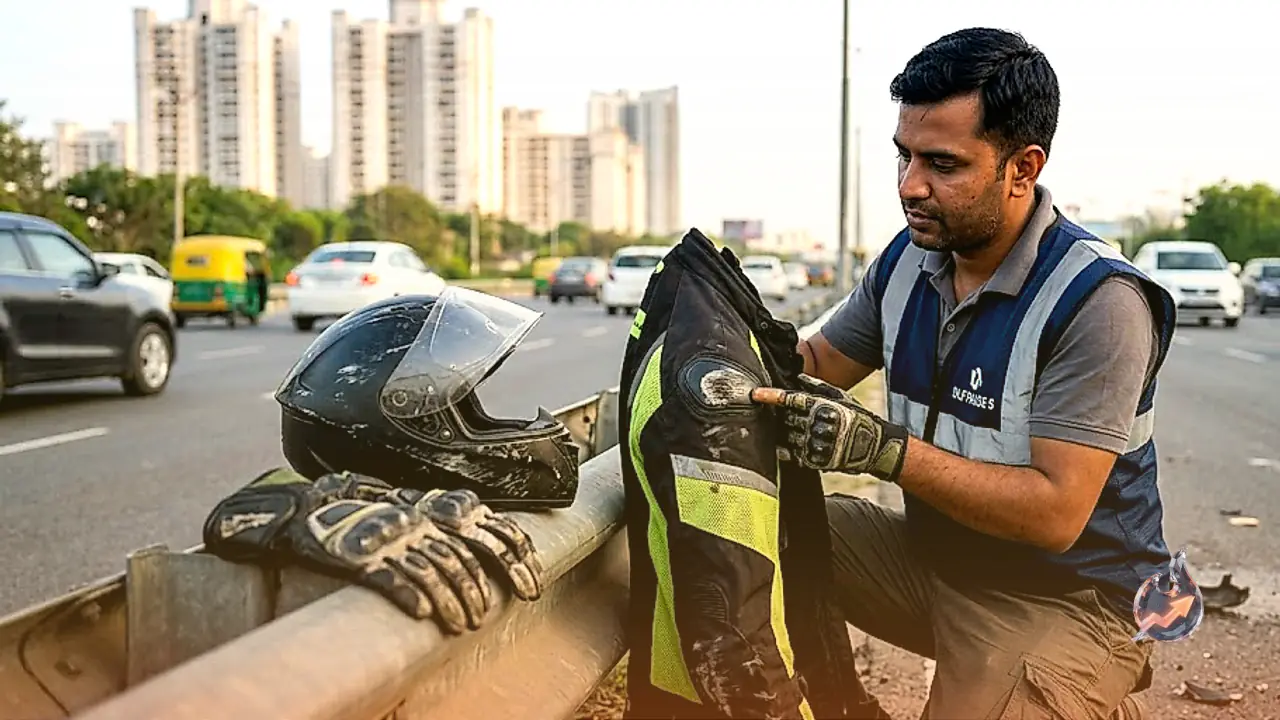
Buyers investing substantial amounts into high-end motorcycles frequently prioritize engine horsepower, acceleration numbers, and top speed while neglecting personal protective equipment. In scenarios similar to the Gurugram incident, deploying certified riding gear including helmets, armored jackets, reinforced gloves, and protective boots can substantially reduce the severity of bodily trauma. An expenditure ranging between Rs 15,000 and Rs 20,000 functions as a life-saving investment. Responsible riding extends beyond maneuvering a fast machine; it demands total physical preparedness against unforeseen road hazards.
Full-Face Helmets: Securing the Skull and Facial Structure
The human head remains the most vulnerable point of impact during any two-wheeler accident. Whenever a motorcycle skids or collides with another object, head trauma presents the highest mortality and disability risk. Consequently, an appropriate helmet stands as the single most critical component of protective apparel. Riders should strictly opt for full-face designs because they safeguard the cranium, facial bones, and lower jaw simultaneously, unlike open-face alternatives that leave the chin exposed to direct asphalt impacts.
Instead of opting for low-cost, substandard options, riders should invest in helmets carrying ISI or ECE safety certifications. These certified units feature an impact-resistant outer shell, high-density shock-absorbing interior foam, and optically clear visors designed for unobstructed sightlines in varied lighting conditions. High-quality certified helmets generally retail between Rs 4,000 and Rs 8,000. Equipping a certified full-face model drastically minimizes the probability of critical skull fractures and brain injuries during unexpected road slides.
Armored Riding Jackets: Defense Against Abrasion and Fractures
Protective jackets are engineered safety equipment rather than cosmetic apparel. Purpose-built motorcycle jackets integrate internal impact protectors positioned directly over the shoulders, elbows, and spinal column. These specialized armor inserts absorb and disperse kinetic energy during collisions, shielding vulnerable skeletal joints from direct fractures upon striking the pavement.
Equally critical is the outer construction, which employs abrasion-resistant textiles designed to withstand extreme friction. When a rider slides across asphalt at high velocity, standard clothing tears instantly, resulting in severe skin burns and soft-tissue damage; specialized textile or leather barriers prevent direct contact with the roadway. The market offers ventilated mesh variants for elevated temperatures and heavier textile or leather builds for cold-weather riding. Reliable protective jackets typically fall within the Rs 5,000 to Rs 10,000 bracket, effectively preventing devastating soft-tissue injuries.
Reinforced Gloves: Protecting Hands and Wrists
Involuntary human reflexes cause individuals to extend their arms and palms forward when falling. As a result, hands and wrists consistently endure the initial brunt of a motorcycle collision. Regular wool or cotton coverings offer zero abrasion defense, making dedicated protective gloves indispensable for every journey.
Certified gloves feature rigid knuckle shields, reinforced scaphoid sliders on the palms, and secure wrist closures that keep the gear anchored during high-speed tumbling. Riders can select between durable leather or advanced synthetic textile constructions, including waterproof variants designed for monsoon conditions. Dependable protective gloves are widely accessible in the price range of Rs 1,500 to Rs 3,500. Aside from safeguarding bones and skin, they ensure consistent handlebar grip and lever control under challenging riding environments.
Riding Boots and Specialized Pants: Lower Body Protection
Operating a performance machine while wearing ordinary sneakers or lifestyle footwear introduces substantial vulnerability during crashes. In numerous motorcycle accidents, lower-extremity fractures occur purely because basic footwear collapses or slips off during impact. Purpose-engineered riding boots offer rigid ankle bracing, shin plates, and reinforced heel cups alongside anti-skid composite soles that prevent feet from being crushed under the weight of a downed motorcycle. Riders can choose between short ankle-length boots and full-length touring models, which generally cost between Rs 3,000 and Rs 6,000.
Comprehensive lower-body defense also includes riding trousers equipped with hip and knee impact pads. As a practical alternative, riders can deploy standalone knee protectors, elbow guards, and supplementary back braces alongside their regular gear. For night riding, incorporating high-visibility reflective materials or auxiliary strips is critical for drawing the attention of other motorists. Assembling this complete protective suite typically requires a cumulative expenditure of Rs 15,000 to Rs 20,000, presenting a practical and essential financial commitment alongside the purchase of any performance two-wheeler.