




















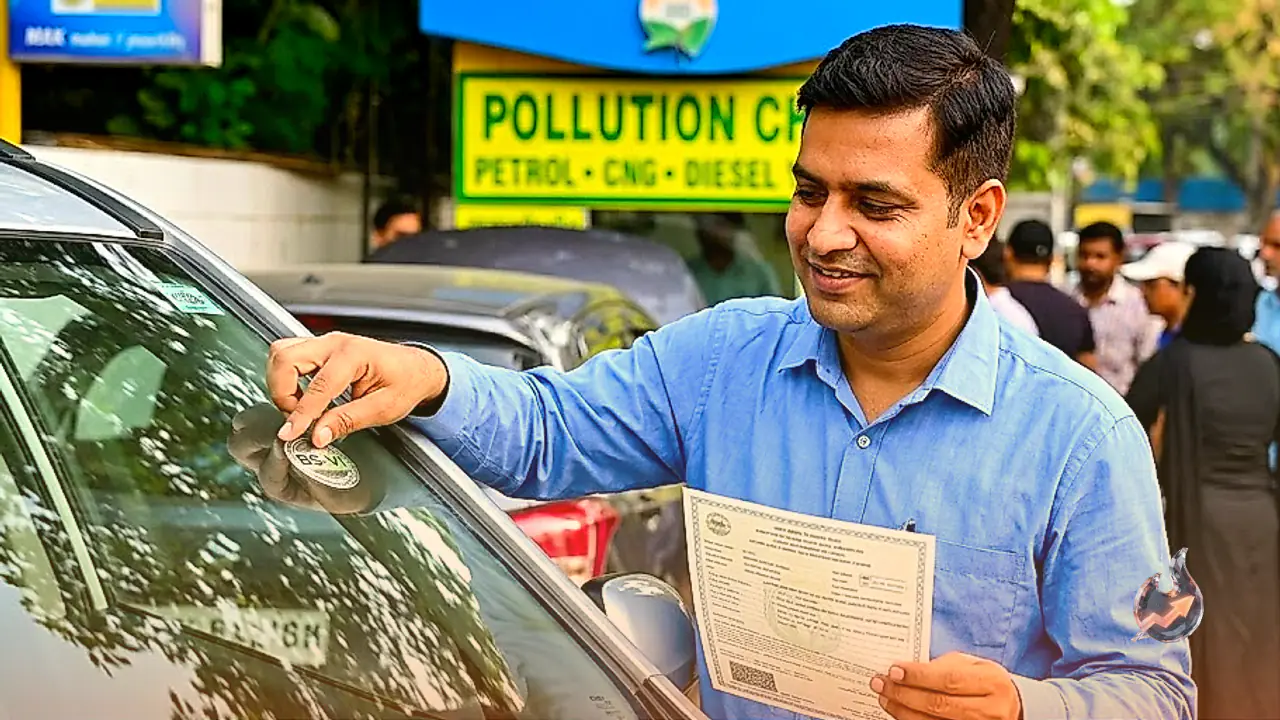

A major relief is on the horizon for millions of car and two-wheeler owners across the nation as significant changes to vehicle emission norms approach. The Ministry of Road Transport and Highways is preparing to overhaul the regulations governing Pollution Under Control Certificates. According to a recently issued draft notification, the validity period for pollution certificates for private BS-VI vehicles up to six years old is proposed to be extended from one year straight to three years. This upcoming transition aims to spare motorists from the recurring hassle of visiting testing centers annually.
Age-Based Provisions for BS-VI Vehicles
Under the parameters outlined in the draft notification, BS-VI compliant automobiles have been granted structured reliefs based on their operating age. For BS-VI vehicles up to six years old, a pollution test will only be required once every three years instead of annually. Meanwhile, vehicles falling in the six to ten-year age bracket will need to have their PUC certificate renewed every single year. For BS-VI models exceeding ten years of age, the proposal suggests renewing the certificate every six years, establishing a systematic approach for older modern fleets.
Stricter Compliance Norms for Older Generations
While newer BS-VI technology enjoys relaxed timelines, regulations for older and heavier polluting legacy vehicles have been tightened considerably. All vehicles complying with BS-IV standards will now be mandated to renew their PUC certificates every six months. Furthermore, vehicles operating on BS-I, BS-II, and BS-III standards will face mandatory pollution testing every three months. These stringent guidelines target high-emission older automobiles to curb urban air pollution levels effectively.
Understanding Bharat Stage Standards and Significance
Bharat Stage norms serve as the official vehicular emission standards implemented across the country to regulate exhaust pollutants. Their primary objective is to keep harmful emissions like carbon monoxide, nitrogen oxides, hydrocarbons, and particulate matter under strict control. India adopted BS-VI standards nationwide starting in April 2020, notably skipping the intermediate BS-V phase to accelerate pollution mitigation. BS-VI automobiles utilize low-sulfur fuel and emit significantly lower pollutants compared to their historical predecessors.
Proposal Awaiting Final Notification
It is important to note that the revised framework currently exists solely as a draft proposal. The government has formally invited suggestions and objections from stakeholders and the general public regarding the matter. The final notification will be issued only after incorporating feedback from all concerned parties. If approved, the policy will liberate countless BS-VI owners from yearly testing burdens while making the regulatory compliance framework considerably more practical.
Read also: New EV Policy Implemented in Delhi - Know the Conditions to Avail Subsidies and Scrapping Incentives