





















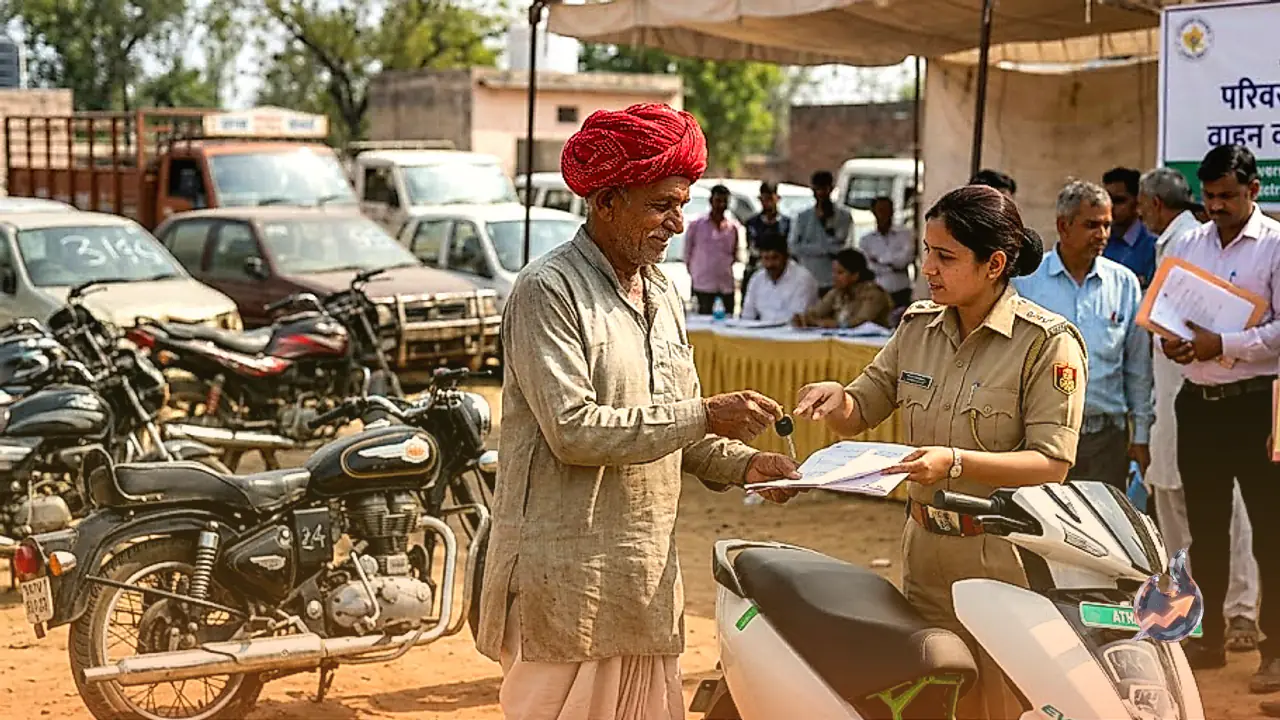

The ongoing battle against hazardous air pollution in the Delhi-NCR (National Capital Region) is receiving a major boost with a sweeping new government initiative. In a decisive move to phase out older, highly polluting vehicles, an ambitious program named the 'Parivartan Yojana' is being rolled out for the residents and vehicle operators of Rajasthan’s Alwar and Khairthal-Tijara districts. These two districts form a crucial part of the broader NCR zone, making them central to the government’s clean-air strategy. According to the Regional Transport Officer (RTO) of Alwar, Ravindra Joshi, this comprehensive initiative—which was previously drafted under the name 'Naya Safar Yojana'—will officially come into full effect across the designated regions starting August 22, 2026.
The Escalating Threat of Severe Air Pollution
The air quality index across Delhi and its adjoining NCR territories consistently plunges to hazardous levels, particularly with the onset of the winter season. The resulting toxic smog creates severe health complications, disproportionately affecting young children, the elderly, and individuals suffering from respiratory illnesses like asthma. Environmental scientists and regulatory bodies have repeatedly identified vehicular emissions—especially the dense exhaust from outdated diesel and petrol engines—as a primary catalyst for this suffocating pollution. Taking absolute cognizance of this persistent environmental crisis, the government has adopted an aggressive stance to purge the roads of these mechanical hazards in industrially active districts like Alwar and Khairthal-Tijara. The primary objective is to systematically eliminate vehicle-generated air pollution by getting outdated private and commercial fleets off the roads. Under the framework of the scheme, owners of BS-4 and older vehicles are being heavily incentivized to surrender their aging automobiles and transition to cleaner, modern alternatives, specifically BS-6 compliant models, CNG (Compressed Natural Gas) variants, or entirely zero-emission EVs (Electric Vehicles).
Six Major Financial Incentives for Vehicle Owners
Transitioning to a new vehicle is a significant capital investment, which is why the Parivartan Yojana incorporates six distinct economic benefits for those willing to make the switch. These incentives are designed to lower the financial barriers for truck drivers, bus operators, and private vehicle owners
- 100% Exemption on Tax and Registration: The most substantial benefit is a complete, 100 percent waiver on the Motor Vehicle Tax and the initial registration fee for the newly purchased vehicle. This outright exemption slashes the immediate upfront costs required to put a new vehicle on the road.
- Substantial Interest Subsidy: Buyers who require financing to upgrade their fleets will receive strong support. The government is offering an interest subsidy of up to 5 percent on vehicle loans, significantly reducing the long-term EMI burden for operators.
- Monthly Fuel Vouchers: To ease the ongoing operational expenses of running a new vehicle, beneficiaries under the scheme will be systematically provided with designated fuel vouchers on a monthly basis.
- Relief on Outstanding Arrears: Many operators hold onto older vehicles simply because they cannot afford to clear accumulated tax dues. The scheme addresses this by offering special financial relief on pending taxes if the old vehicle is submitted for official scrapping.
- Direct Automobile Manufacturer Discounts: The government has also brought automakers on board. Automobile manufacturers will provide a direct, upfront discount of up to 8 percent on the ex-showroom price of the new replacement vehicle.
- Seamless Permit Renewals: Commercial operators driving older BS-4 vehicles often face severe bureaucratic hurdles when attempting to renew their route permits. By participating in this scheme and upgrading, these operators will experience a completely streamlined process to acquire their new operational permits.
Boosting the Local Economy and Circular Ecosystem
Beyond the undeniable environmental benefits, this massive vehicle replacement drive is engineered to act as a powerful catalyst for the local economy. As thousands of obsolete commercial and private vehicles are retired and replaced with modern BS-6 or EV alternatives, the automobile sector will experience a massive surge in consumer demand. This anticipated spike in vehicular sales will inadvertently generate countless new employment opportunities across automobile showrooms, maintenance workshops, and financial lending institutions. Furthermore, the mandatory destruction of older vehicles at Registered Vehicle Scrapping Facilities will breathe new life into the metal recycling industry. The systematic extraction and repurposing of steel and plastic from the scrapped vehicles will bolster a robust circular economy.
A Massive Upgrade for School Transport Systems
Among the various commercial operators, those running school buses and Bal Vahini fleets stand to gain the most from this initiative. Transporting young children requires the highest standards of safety and reliability, which aging fleets often fail to meet. By taking advantage of the massive government subsidies, tax waivers, and manufacturer discounts, school fleet operators can overhaul their dilapidated vehicles at a fraction of the standard market cost. This will allow them to swiftly replace their entire aging fleets with robust, secure, and modern vehicles, directly enhancing the safety of commuting students while adhering to strict environmental norms.
Application Process and Regulatory Guidelines
The administrative workflow for availing these benefits has been carefully outlined to ensure transparency and proper tracking. Eligible operators must follow these steps
- Online Registration Mandate: Vehicle owners who wish to participate must initiate the process by visiting the official "Parivartan Portal" and completing their online registration.
- Offline Administrative Support: Recognizing that not all operators may be comfortable with digital portals, the entire application process can also be formally completed through the respective District Collector's office within the NCR jurisdiction.
- Strict Scrapping and Relocation Rules: Vehicles that fall below the BS-4 standard must invariably be sent to an authorized scrapping center for scientific destruction. However, there is a slight relaxation for BS-4 standard vehicles. While they cannot be driven within the NCR or other heavily polluted non-attainment cities, owners are permitted to sell them in external geographic regions. If an owner chooses this resale route, they are legally obligated to record the complete details of the transaction on the Parivartan Portal.