




















Across rural India, women-led groups are playing a pivotal role in modernizing agricultural practices through the adoption of unmanned aerial vehicles. The central government initiative equips female Self-Help Groups (SHGs) with advanced drone technology, opening new avenues for self-employment while introducing precision farming methods to regional agricultural landscapes.
Strategic Objectives and Central Outlay
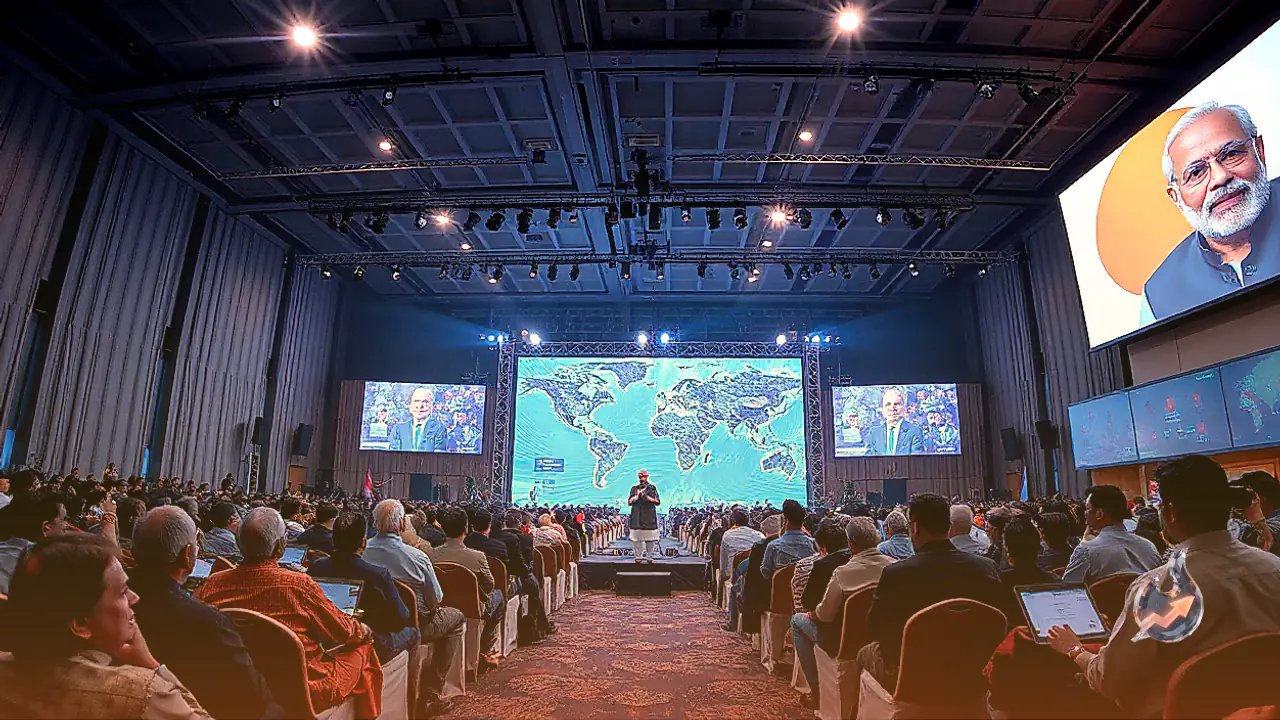
Prime Minister Narendra Modi formally inaugurated the Namo Drone Didi Scheme on 30 November 2023 as part of a broader drive to combine rural women empowerment with high-tech farming solution deployment. To execute this vision, the central government sanctioned an overall budget allocation of ₹1,261 crore targeted at assisting 15,000 women SHGs across the country. The core objective of this financial outlay is to enable these groups to establish commercial drone rental services. Through these services, trained women can provide local farmers with timely assistance for spraying liquid fertilizers, nutrients, and crop protection chemicals, replacing labor-intensive traditional spraying methods.
Financial Subsidies, Credit Access, and Skill Training
To ensure affordable access to expensive equipment, the scheme offers a central financial assistance package covering up to 80% of the cost of each drone and its essential accessories, with a maximum grant limit of ₹8 lakh per unit. To help cover the remaining balance, beneficiary women can obtain credit support under the Agriculture Infrastructure Fund (AIF) at an economical annual interest rate of 3%. Beyond capital assistance, participants undergo a comprehensive 15-day training course designed to turn them into certified drone pilots capable of handling flight controls, safety protocols, and field maintenance. Furthermore, the initiative includes a dedicated financial incentive of ₹2,500 per hectare to help facilitate and subsidize drone spraying services directly on agricultural fields.
Economic Impact and Parallel Welfare Initiatives
Through the execution of drone rental operations, each participating Self-Help Group is projected to earn a minimum additional income of ₹1 lakh every year, significantly strengthening household financial stability. This push towards technological self-reliance is accompanied by other key gender empowerment programs, such as the Solar Didi Initiative. Under the solar program, 25,000 women from self-help groups receive specialized training in green energy systems, helping expand clean energy adoption and diversify income sources across rural communities.