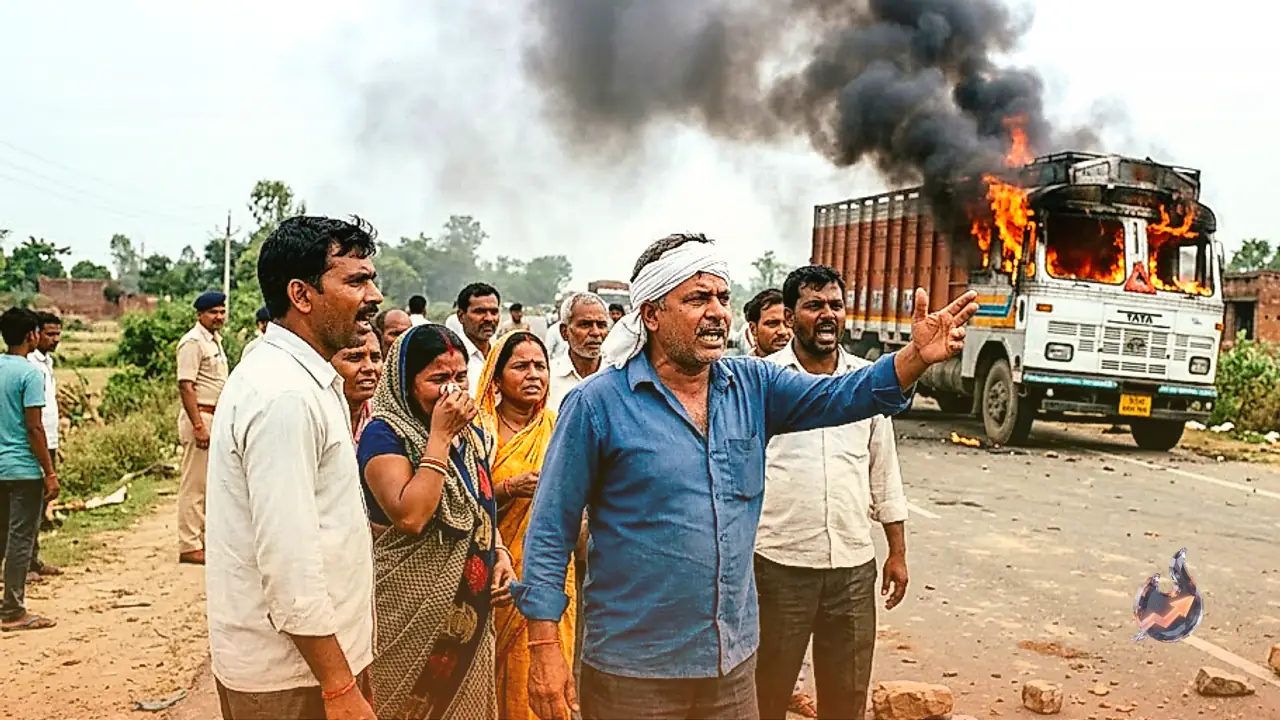

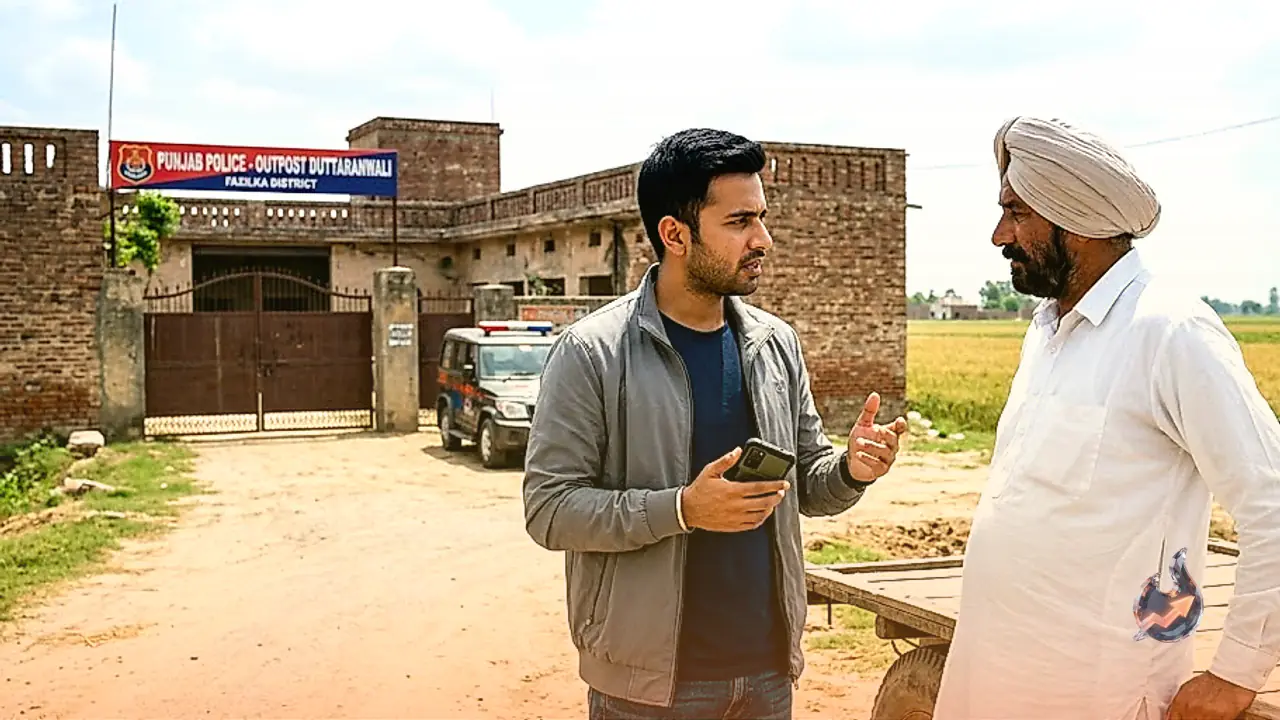




















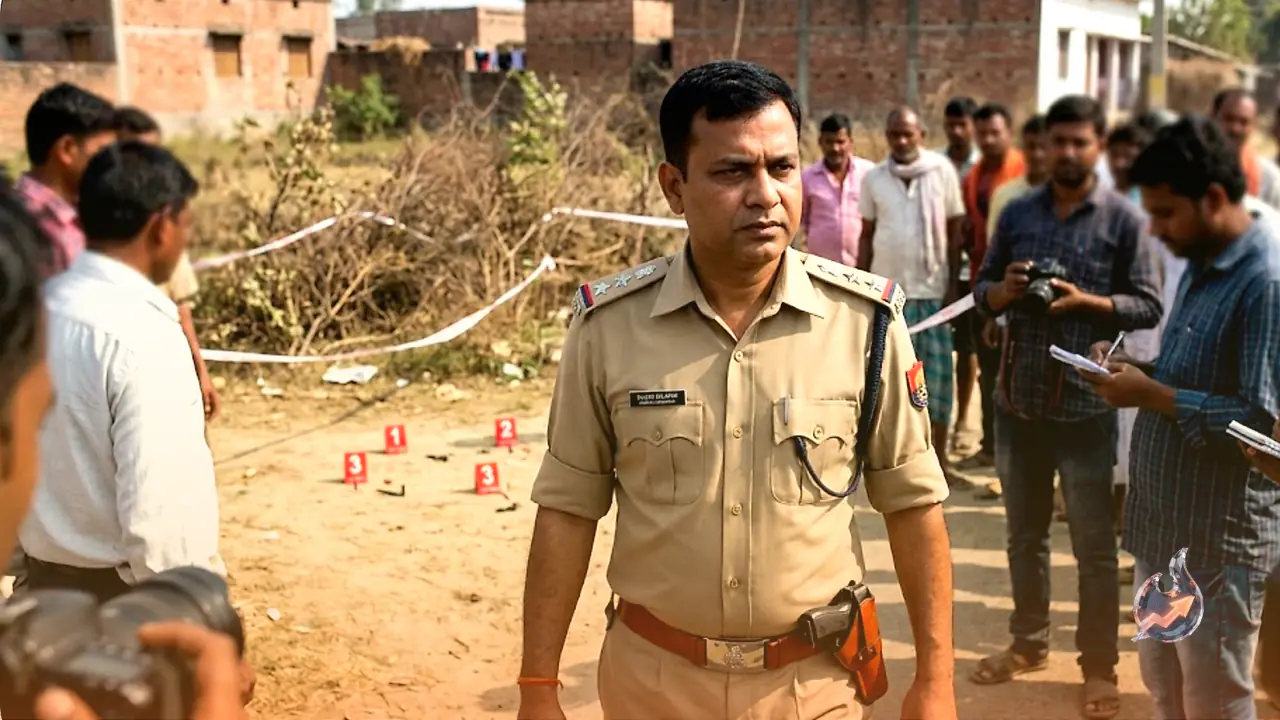

In the Bharat Bhushan Tiwari encounter case in Ara, Bhojpur district, Bihar, the most disturbing detail is not the gunfire but what was said afterward. Rajesh Malakar, then-Station House Officer of Shahpur, sat down with a senior journalist and delivered this statement without hesitation or visible guilt: "It was written in Bharat's fate to die." No remorse crossed his face, no grief, no acknowledgment that something requiring explanation had occurred. That composed indifference is what has set this case apart and placed it squarely in the public conscience.
Arrogance in Uniform
Malakar's conduct during that conversation put the NDA government led by Chief Minister Samrat Chaudhary in an uncomfortable spotlight. The government has repeatedly pledged commitment to the rule of law and the protection of human rights. But whatever commitments flow from the top, the ground reality appears to be that some officers in uniform have appointed themselves judge, jury, and executioner. The ease with which Malakar told a senior journalist that a person's death was simply written in his fate points to a disturbing absence of respect for human life within certain sections of the force. Legal observers say it is precisely this insensitivity that shifts the entire narrative of this encounter toward the territory of premeditated killing.
Fifteen Rounds from a Pistol That Holds Eight
To justify the encounter as an act of self-defence, Malakar claimed that Bharat Tiwari had opened fire on his police team, letting off a full 15 rounds before being shot. But this claim runs into an immediate technical wall. Weapons experts point out that the magazine of a standard or restricted-bore single pistol typically holds no more than 6 to 8 cartridges. Firing 15 rounds from a single pistol in one engagement is not technically possible. Defence experts have openly expressed disbelief at the claim. For the Superintendent of Police in Bhojpur and the investigation team now handling the case, this discrepancy is a serious challenge that demands a clear, documented answer.
Where Are the Cartridges
Even setting aside the technical impossibility, a separate and arguably more damning question follows immediately: if 15 rounds were truly fired from Bharat's pistol, where are the 15 spent cartridges that the weapon would have ejected? The team searching the encounter site found no such cartridges from the alleged firing by Bharat. If they were recovered, police should produce them publicly. If they were not, then the entire 15-round narrative amounts to nothing more than a story assembled inside a police station, built for the sole purpose of protecting the officers involved.
The Surrender Video and the Custodial Killing Question
Malakar's account of events collapses most visibly against a video that circulated widely on social media. The footage clearly shows Bharat Bhushan Tiwari laying down his weapons and surrendering to the police. He was unarmed and fully in custody when four bullets were fired at him. Legal experts are unambiguous on what this means: shooting an unarmed, surrendered individual is not an encounter. It is custodial killing. These same experts note that a police uniform carries an obligation of restraint and sensitivity, not just authority. An officer whose actions are under active scrutiny should be confining his public statements to verified facts, not making declarations that undermine the very premise of a fair and impartial investigation.
The Larger Question Is About the Rule of Law
Whether Bharat Tiwari's death was a genuine encounter or something else entirely is a question for an independent judicial process to settle, not for police statements or social media to resolve. But buried within this specific case is a question that applies to every functioning democracy. Is a police officer permitted to declare, without flinching, that a citizen's death was simply written in his fate? In a democracy, life and death under the authority of the state are not matters for an individual officer's personal judgment. They belong to the law and to due process. When that line is crossed this casually, on the record, something larger than one encounter has gone wrong.