





















At least 11 people have been killed in southern Lebanon following a series of strikes launched by the Israeli military. The military action represents one of the deadliest single-day escalations since a June agreement was established to curb cross-border hostilities. The fresh wave of strikes has devastated local communities and placed immense strain on fragile diplomatic efforts aimed at stabilizing the region.
Early Morning Strike on Residential Home in Ansar
The violence began early Saturday around 04:30 local time (01:30 GMT) when Israeli aircraft targeted the outer perimeter of Ansar, a village located roughly 70 kilometers (43 miles) south of the capital city of Beirut. According to Lebanese Prime Minister Nawaf Salam, the strike struck a residential dwelling where displaced families were seeking shelter. Seven individuals lost their lives at the scene, with local reports confirming that the victims included three children and two women. Video footage shared across social media platforms displayed thick clouds of smoke billowing through village streets as emergency vehicle sirens sounded throughout the area.
Subsequent Bombardment in Deir al-Zahrani
Hours after the destruction in Ansar, a second wave of Israeli strikes hit the town of Deir al-Zahrani in southern Lebanon. The Lebanese Ministry of Health confirmed that four additional people were killed in this attack, while five others sustained injuries. Emergency medical teams transported the wounded to nearby hospitals, where several remain under treatment for serious injuries.
Israeli Military Claims Hezbollah Commander Target
Providing its account of the operation, the Israel Defense Forces (IDF) stated that the strike in Ansar targeted and eliminated Ali Samir al-Haj Hassan, identified as a Hezbollah battalion commander within the Radwan Force unit. The IDF alleged that Hassan was directly involved in organizing attacks against Israeli soldiers operating along the border. Military officials asserted that Hassan was a legitimate target under international law and claimed that several other operatives involved in hostility plans were eliminated alongside him. However, the IDF acknowledged that family members present at the location were harmed, accusing Hassan of using civilians as human shields inside a military headquarters.
Netanyahu's Office Responds as Hezbollah Denies Claims
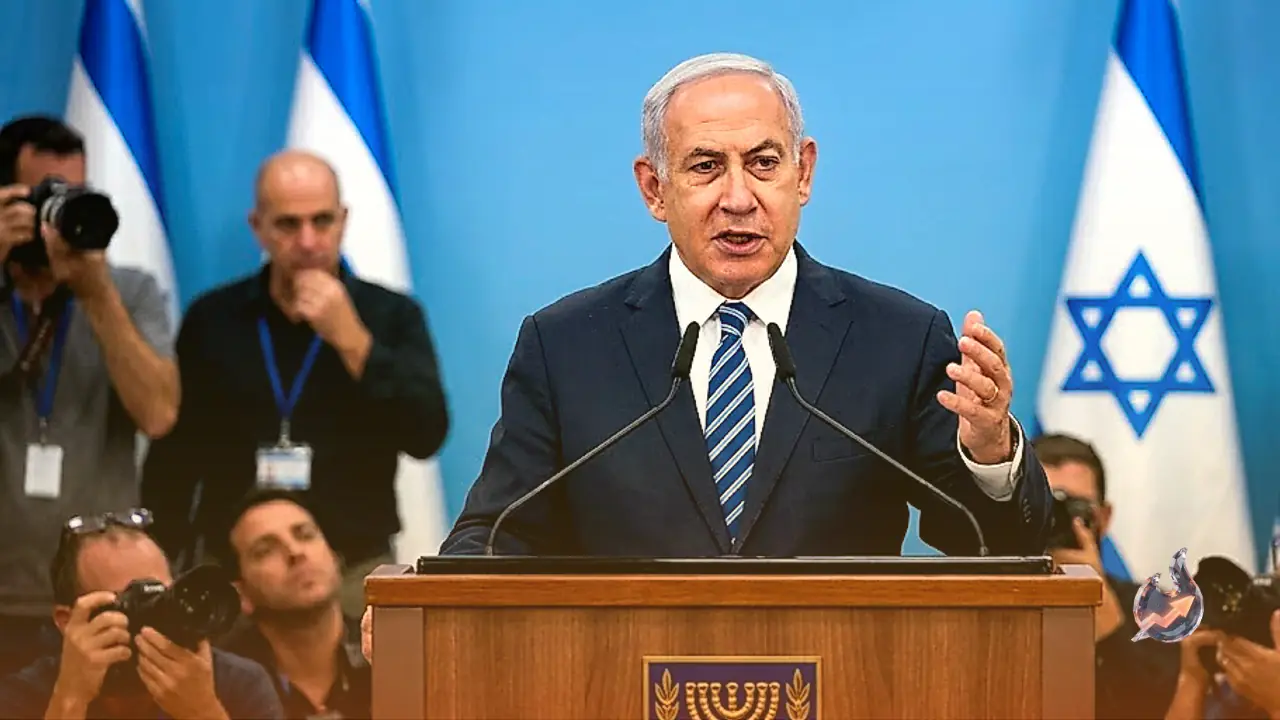
The office of Israeli Prime Minister Benjamin Netanyahu released a formal statement defending the military strike. The official statement noted that an earlier attack by Hezbollah had severely injured three Israeli soldiers, prompting a direct strike against the terror headquarters that ordered the assault. Israeli officials maintained that the IDF only discovered the presence of civilians after the operation, reiterating accusations that Hezbollah systematically positions civilians in military compounds to accuse Israel of deliberate civilian targeting.
Hezbollah strongly rejected the assertions made by the Israeli prime minister. In an official statement, the group accused Israeli forces of intentionally bombing civilian residences and reducing homes to rubble. Hezbollah stated that claims regarding military headquarters were fabricated after the event to justify civilian casualties.
Lebanese Leadership Denounces Escalation
Lebanese leaders expressed sharp condemnation over the strikes. Prime Minister Nawaf Salam emphasized that the seven civilians killed in Ansar had no connection to military infrastructure. He demanded an immediate halt to Israeli military escalation, asserting that the safety of Lebanese citizens and their right to live on their land are non-negotiable principles.
Lebanese President Joseph Aoun also condemned the destruction of an entire family in Ansar, characterizing the strikes as repeated violations of the June framework. President Aoun stated that such actions send a troubling signal to ongoing United States-led peace negotiations. Hezbollah was not a party to the June framework agreement and has consistently refused direct talks.
Conflict Background and Security Zone Operations
The broader armed conflict involving Lebanon intensified on March 2, when Hezbollah launched rocket salvos into Israel following an air attack that killed Iran's supreme leader. In response, Israel initiated an extensive aerial campaign alongside a ground invasion in southern Lebanon, where Israeli forces currently occupy approximately 5 percent of the territory.
The IDF confirmed it will maintain military operations within its 10-kilometer-deep buffer zone in southern Lebanon to neutralize perceived threats. Although the June framework outlines terms for Hezbollah's disarmament, a gradual Israeli troop withdrawal, and the deployment of the Lebanese army, intermittent strikes have persisted. Lebanese and Israeli envoys are scheduled to hold an eighth round of negotiations in September, though a definitive date has yet to be finalized.