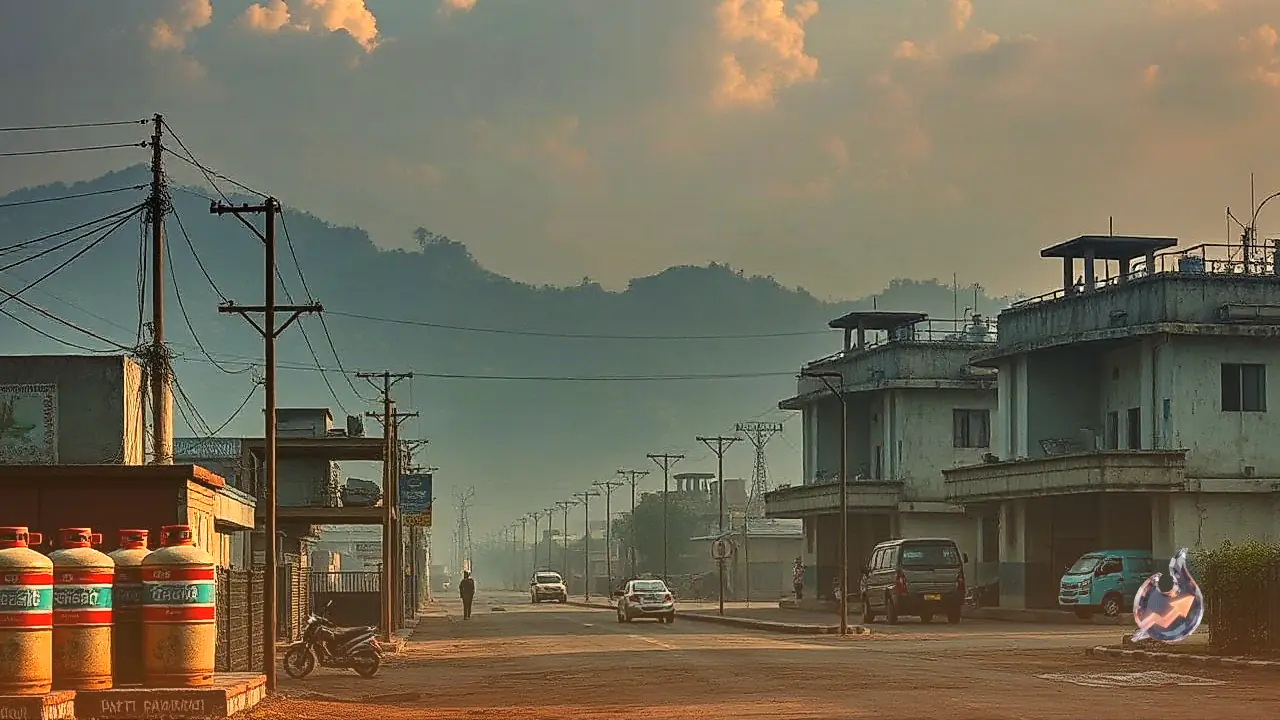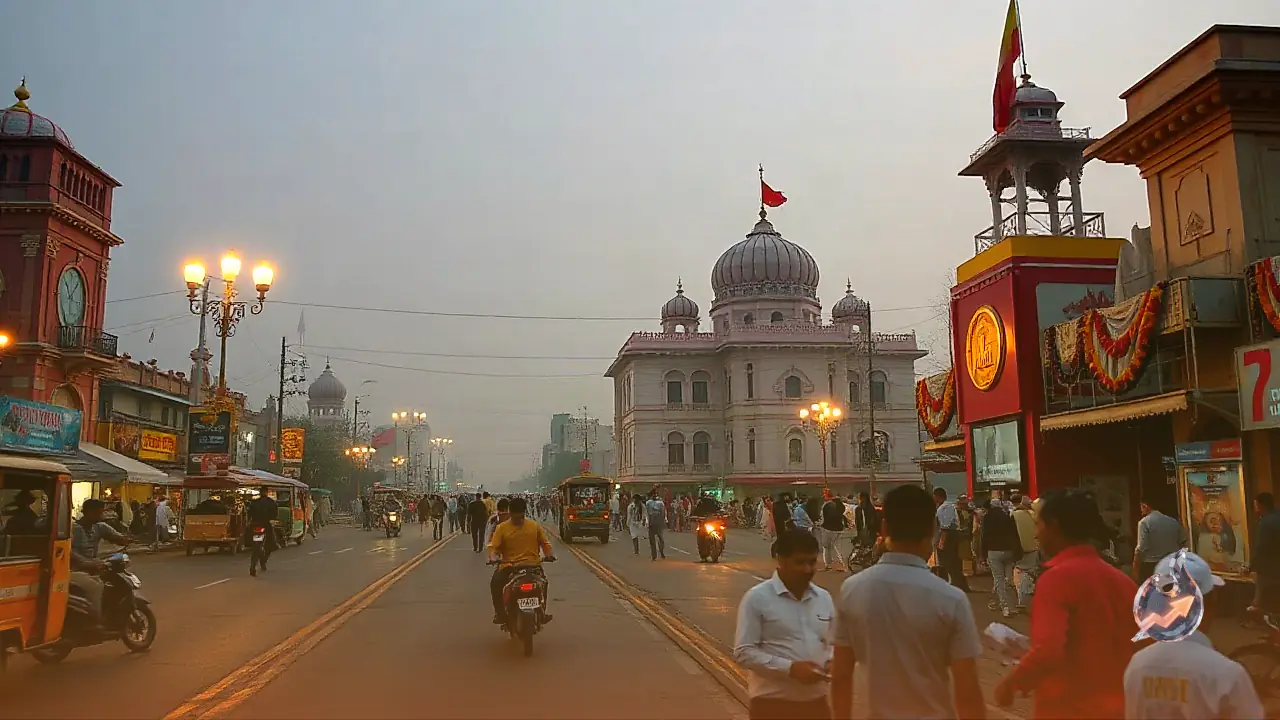


















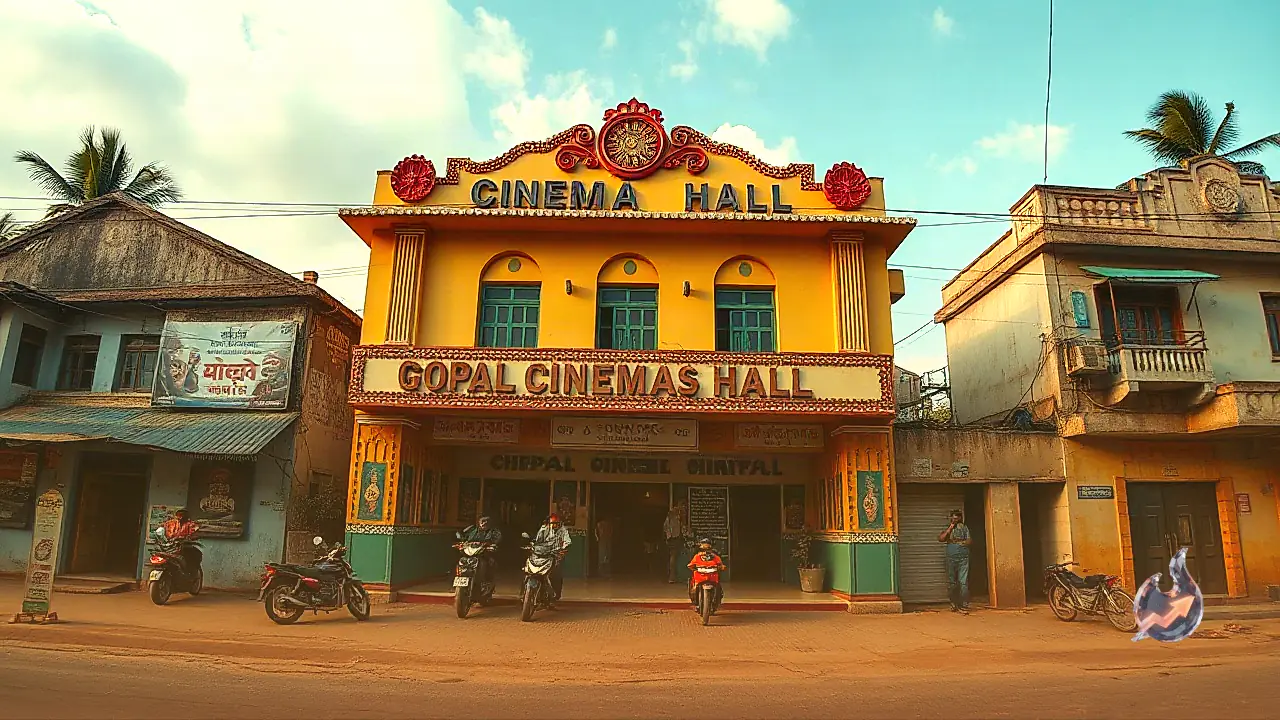

In the Patori region of Samastipur district in Bihar, Gopal Cinema Hall once stood as a bustling center of community life and popular cinema. During its heyday, the mere announcement of a new film release would spark widespread anticipation across the locality. Audiences would stand patiently in long queues to purchase tickets and wait for hours to watch their favorite stars on the big screen. In today's digital era, where smartphones and high-speed internet deliver movies straight to living rooms, that communal theatre experience has faded into history. Reflecting this shift, the premises of this historic movie hall have now been converted into a commercial marriage venue.
Founded in 1998 Amid Limited Entertainment Avenues
Santosh Kumar Choudhary, a resident of Patori who handled the operations of the cinema hall for some time after 2002, recounted that the facility was originally established in 1998. During that period, household access to color televisions and mobile devices was far from common. With limited recreational avenues available to the public, local cinema halls served as the primary destination for affordable leisure. For working individuals, families, and students, spending three hours inside the hall was considered an enjoyable escape from everyday routines, drawing consistent crowds from surrounding villages and towns.
The Historic Craze Surrounding Sasura Bada Paisa Wala
According to Choudhary, the theatre witnessed an extraordinary surge in attendance with the arrival of the 2004 release ‘Sasura Bada Paisa Wala’. The Bhojpuri film captivated audiences to such an extent that it enjoyed an uninterrupted theatrical run of nearly an entire month at Gopal Cinema Hall. During that extended engagement, approximately 250 to 300 viewers arrived every single day to catch the screenings. He recalled that the era was defined by a deep public admiration for iconic stars like Dharmendra and Amitabh Bachchan, whose cinematic releases regularly generated intense excitement and packed screening rooms.
From 7 Rupee Entry to Packed Crowds Exceeding Capacity
The cinema hall was initially built with a seating capacity of around 164 to 165 patrons. However, during major screenings, the sheer volume of attendees frequently reached nearly double the seated capacity. Entry tickets were priced at approximately 7 rupees in the beginning, which were subsequently revised to 10 rupees and later to 14 rupees. Despite these price adjustments, attendance continued to grow rather than decline. The facility lacked the modern air-conditioned comforts and premium seating common in contemporary multiplexes, yet audience enthusiasm remained remarkably robust as patrons gladly purchased tickets to experience cinema on the wide screen.
Transition to a Medical Facility and Finally a Marriage Hall
As technological infrastructure expanded, color television sets, smartphones, and affordable internet connectivity became commonplace in households. This rapid digital expansion substantially diminished the necessity of visiting physical movie halls for daily entertainment. Concurrently, audience interest in traditional single-screen theatres dwindled across the region. Following its operational shutdown as a cinema venue, the building temporarily housed a hospital. Today, the transition is complete, and the structure functions on a permanent basis as a venue for hosting weddings and local social ceremonies.