





















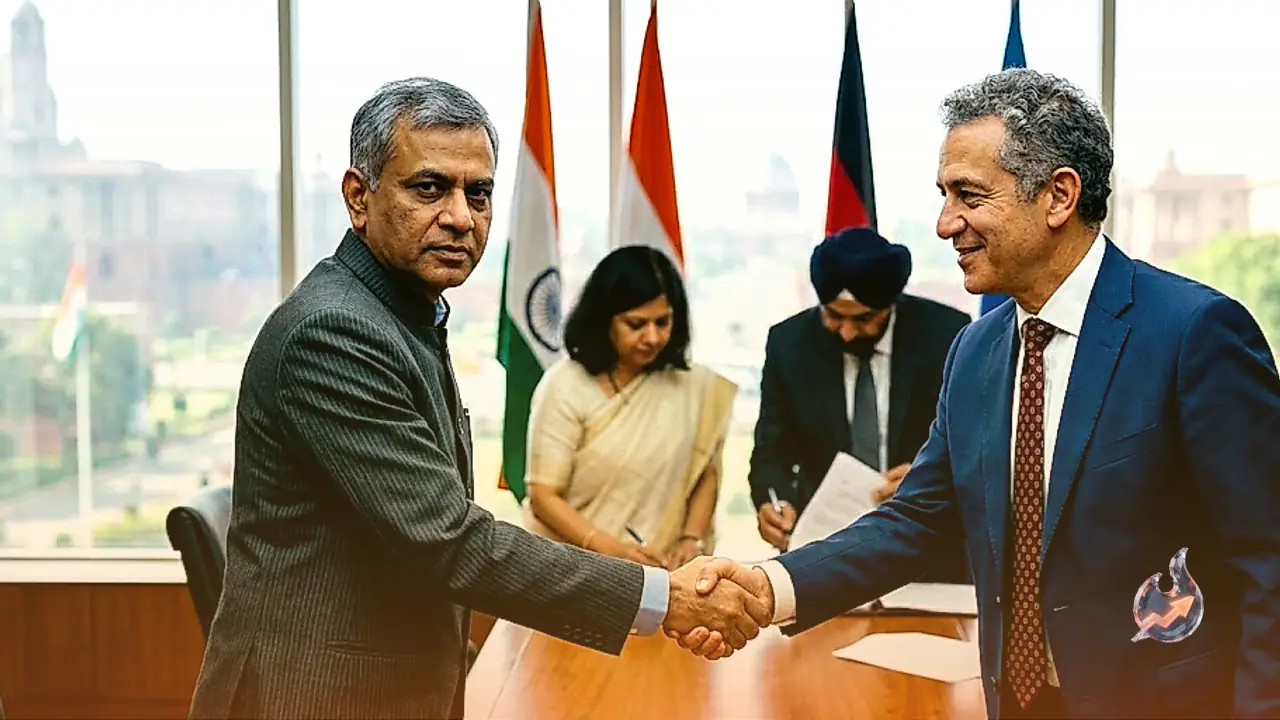

A fresh geopolitical realignment is taking shape across global energy markets and international trade channels. The United States has enacted legislation granting the presidential administration statutory authority to impose retaliatory tariffs of up to 100 percent on major foreign buyers of Russian crude oil and natural gas. Simultaneously, the legislation carves out specific exemptions permitting the US to continue purchasing Russian uranium to sustain its domestic nuclear energy facilities. While this dual policy framework has renewed debate over potential trade friction between Washington and New Delhi, India has systematically fortified its diplomatic, financial, and strategic partnerships across multiple continents over the past year.
The Lindsay O. Graham Act and the 100 Percent Tariff Measure
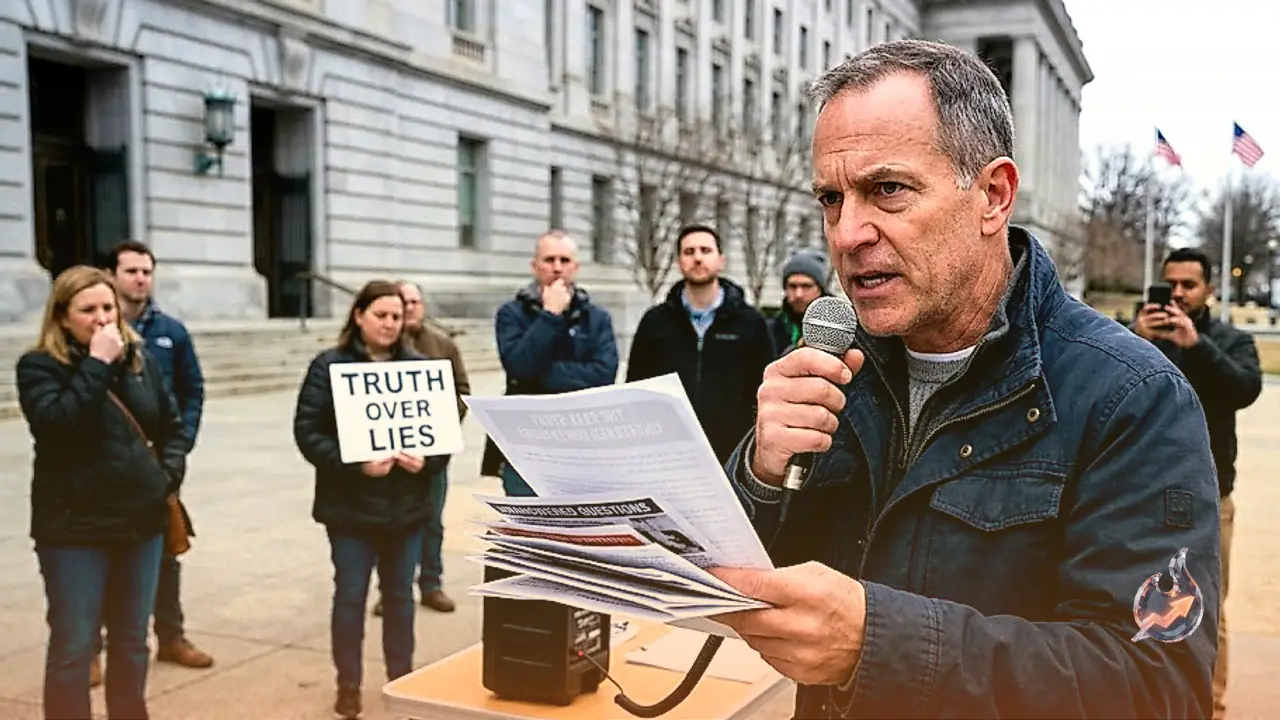
Formally titled the Lindsay O. Graham Sanctioning Russia and Iran Act, 2026, the bill cleared the US Senate before passing the House of Representatives by a vote of 262 to 159. On September 18, President Donald Trump signed the legislation into law. The core mandate of the act empowers the White House to penalize large-scale purchasers of Russian hydrocarbons by levying tariffs reaching as high as 100 percent, directly targeting the revenues Moscow generates from global energy exports.
However, the statute does not trigger these punitive duties automatically. The legislative language grants the president the legal discretion to enforce the tariffs while preserving executive waiver authority under specified circumstances. This development follows a period of mutual adjustments earlier in the year. In February 2026, Washington lifted an additional 25 percent Russia-linked tariff previously placed on India as part of an evolving bilateral trade framework. In that arrangement, the US signaled plans to scale down its reciprocal tariff on Indian shipments from 25 percent to 18 percent. The subsequent enactment of the Lindsay O. Graham Act now creates an overriding legal instrument that allows up to 100 percent duties should Washington choose to exercise that leverage.
Civilian Nuclear Carve-Outs and Supply Realities
While the new legislation seeks to discourage foreign nations from buying Russian fossil fuels, domestic infrastructure considerations have prompted Washington to adopt a different approach toward its own nuclear fuel supply. The statute maintains explicit exemptions for certain civilian nuclear energy engagements between the US and Russia, specifically shielding shipments of Russian low-enriched uranium (LEU) from prohibitive restrictions.
Data compiled by the US Energy Information Administration shows that during 2025, foreign uranium enrichment services procured by American nuclear power operators relied on Russia for approximately 26 percent of total requirements. Although American policy aims to gradually reconstitute and expand domestic nuclear fuel conversion and enrichment capabilities, the reliance documented in official statistics underscores the operational complexity of abruptly severing critical energy supply lines.
India Expands Bilateral Trade and Investment Pacts
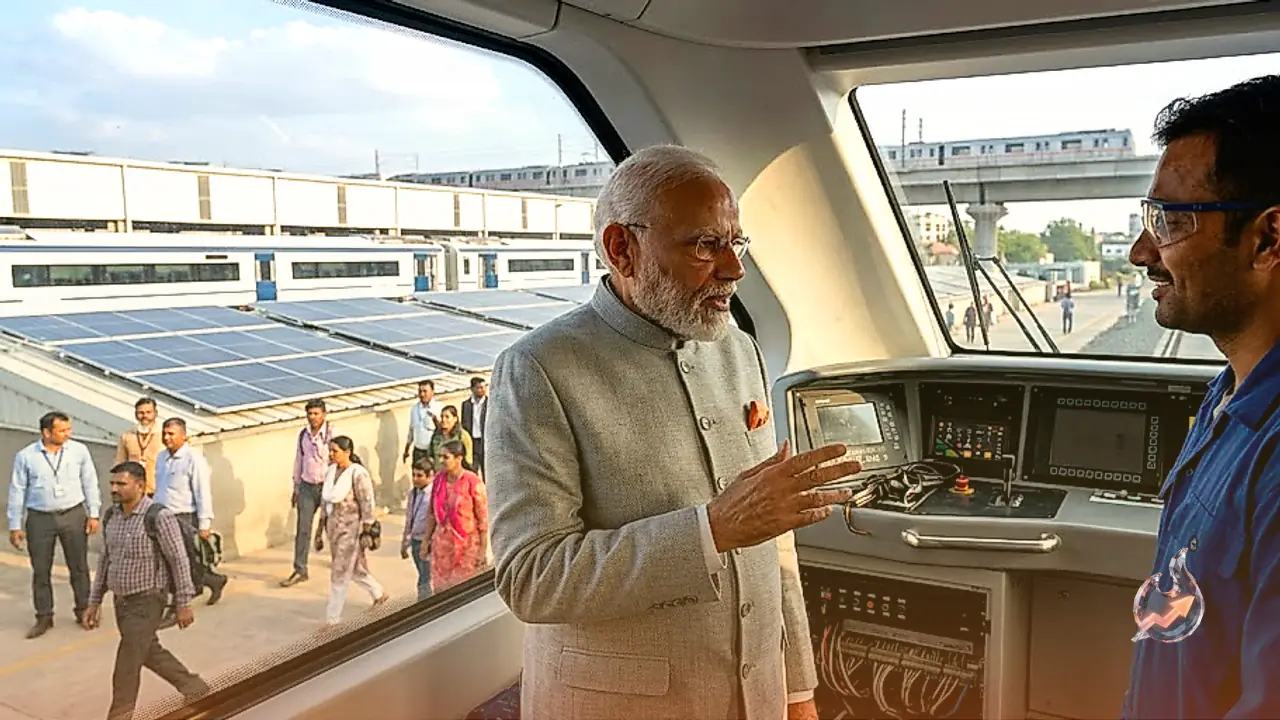
Anticipating geopolitical volatility and the hazards of single-supplier dependency, New Delhi pursued an intensive trade diversification agenda. Following August 2025, Prime Minister Narendra Modi undertook a sustained series of high-level diplomatic visits spanning key global economic hubs. The agenda across these engagements moved well beyond conventional diplomatic protocol, focusing instead on structural investment commitments, diversified energy sourcing, critical technology transfers, and defense cooperation.
Key achievements across this period include the conclusion of free trade agreement negotiations with the European Union and the acceleration of the Comprehensive Economic Partnership Agreement (CEPA) with the United Kingdom. Parallel pacts were finalized with member states of the European Free Trade Association (EFTA), anchoring sizable long-term investment commitments into the Indian economy. Engagements with France deepened bilateral trade and defense technology ties, while strategic accords with the United Arab Emirates expanded coordination across crude petroleum, LPG supplies, defense production, and institutional investment. With Italy, both governments established a concrete target to elevate bilateral trade volume to 20 billion euros by the year 2029.
Alternative Connectivity Corridors and Strategic Autonomy
Sustained maritime disruptions and heightened security concerns in the Red Sea corridor have elevated the strategic importance of developing resilient supply chain alternatives. India has accordingly prioritized work on the India-Middle East-Europe Economic Corridor (IMEC), designed to provide a secure, multimodal trade route linking the subcontinent with European ports.
This diplomatic momentum was reinforced during a multi-nation tour across five countries conducted in May. According to official figures released by the Ministry of External Affairs, those discussions yielded approximately $40 billion in new investment commitments for India. The outreach also broke long-standing diplomatic pauses, marking the first official visit by an Indian Prime Minister to New Zealand in roughly four decades. Additional high-level engagements across the Indo-Pacific included bilateral summits in Indonesia and Australia, complemented by official missions to Uzbekistan and Kyrgyzstan in Central Asia. Alongside these diversified ties, direct communication with Washington was sustained, including an in-person meeting between Prime Minister Modi and President Trump during the G7 summit in France. Through this synchronized outreach, New Delhi has reinforced its trade independence, mitigating external coercive pressure through a diversified network of global economic partnerships.