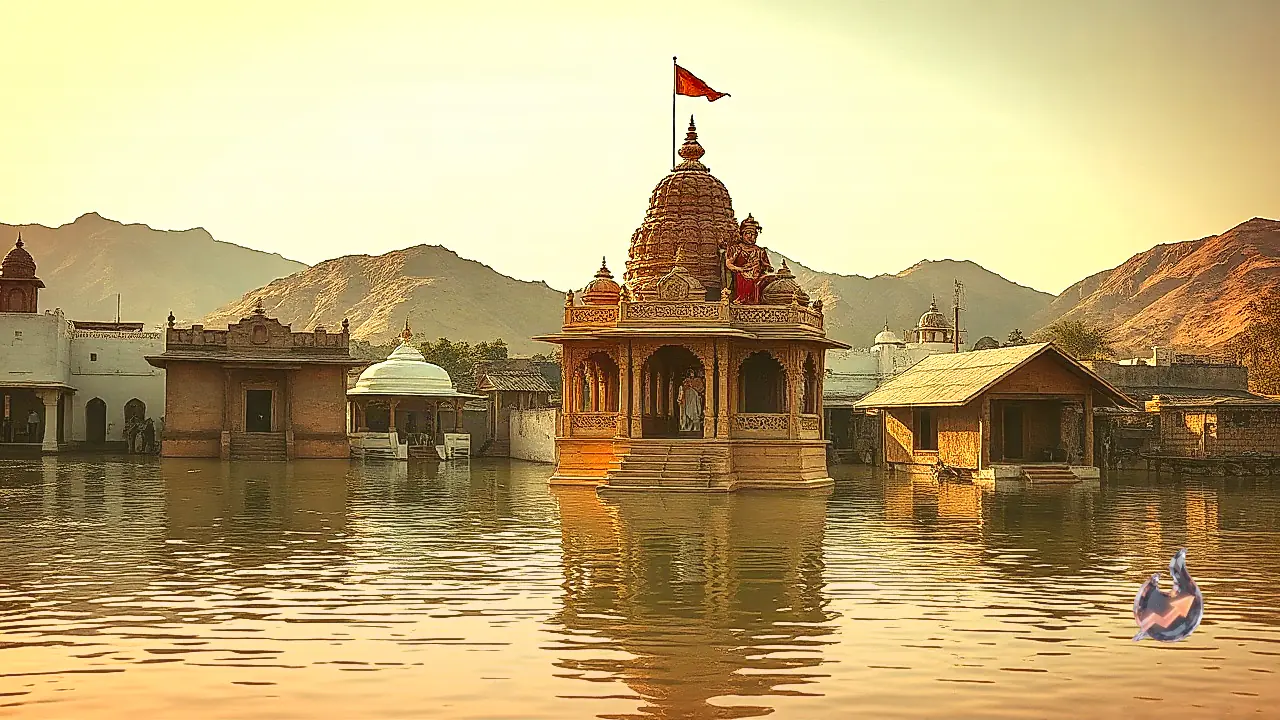




















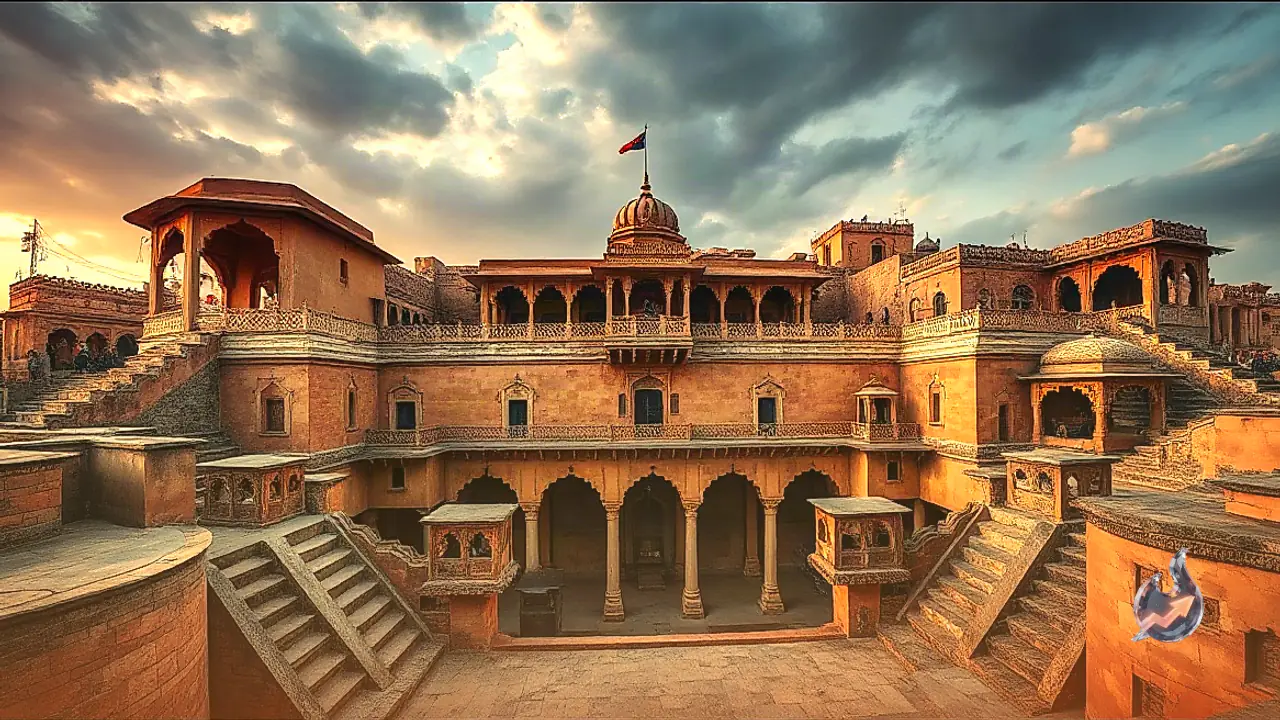

In the historic desert town of Jalore in Rajasthan, a renowned stepwell known today as Sand Baori carries a heritage far richer than its present title suggests. In earlier times, this remarkable water reservoir was celebrated under the name Swarn Baori. The transformation of its identity is linked to a gripping historical event concerning ruler Veerimdev, establishing a narrative that sets it apart from all other traditional stepwells in the region. According to historian Bansilal Soni, Jalore ruler Kanhaddev was married into the Bhati Rajput clan of Jaisalmer.
An Urgent Warning Sent From Jaisalmer
Because of this royal alliance, Veerimdev shared a maternal nephew relationship with the house of Jaisalmer. When word reached Jaisalmer that Veerimdev was facing a mortal threat and an adversary intended to harm him through deceit, immediate action was initiated to sound an alarm. To ensure the intelligence reached Jalore before any conspiracy could unfold, a messenger was dispatched on the back of a swift bull to deliver the urgent message across the arid terrain.
The Messenger Arrival And Sacrifice At The Well
Pushing past physical limits, the bull made such rapid progress that it covered the entire distance from Jaisalmer to Jalore by that very evening. However, right upon reaching the location of the stepwell, the animal collapsed and perished from the strenuous journey. Left with no other choice, the courier proceeded on foot to the heights of Jalore Fort and presented the vital intelligence directly to ruler Kanhaddev. The communication warned that Veerimdev faced severe peril, instructing that he should not receive meals from any suspicious person and that his personal security needed absolute vigilance. Following the animal's death on that exact ground, the reservoir gradually lost its title of Swarn Baori and became immortalised as Sand Baori.
Fort Connections And Legendary Water Beliefs
Historians further explain that Sand Baori shares direct connections with the network of stepwells functioning inside Jalore Fort. Beyond the compelling episode that inspired its naming, the site represents the core water harvesting ingenuity and traditions associated with the fort itself. Local folklore long held that this stepwell never ran dry even during extreme seasons. Historical accounts also note instances when the reservoir overflowed with abundant water, prompting enduring community beliefs in the miraculous properties of its supply.